Introduction to Post Construction Cleaning and OSHA Safety Standards
Post construction cleaning is an essential step after any building or renovation project, where teams remove dust, debris, and leftover materials to make the space safe and ready for use. This process ensures that the new or updated area looks pristine and functions well. At the same time, OSHA safety standards play a crucial role by setting guidelines to protect workers from hazards during these cleanups. These standards help prevent accidents and health issues, making post construction cleaning not just about tidiness but also about safety. Understanding how post construction cleaning intersects with OSHA rules can help contractors and workers create a healthier work environment.
What is Post Construction Cleaning?
Post construction cleaning involves thorough removal of construction residues like sawdust, paint splatters, and scraps from floors, walls, and fixtures. It's different from regular cleaning because it deals with heavier, more hazardous materials left behind by builders. For example, after installing new cabinets, cleaners might scrub adhesive residues while ensuring no sharp nails are left on the ground. This phase typically happens in stages, starting with rough cleaning to clear large debris and ending with fine detailing for a polished finish. Proper post construction cleaning prevents future problems like dust buildup in HVAC systems, which could affect air quality.
Why Safety Matters in Post Construction Cleaning
Safety is vital in post construction cleaning because workers face risks like slips from wet floors or exposure to harmful chemicals. Ignoring safety can lead to injuries, delaying projects and increasing costs for everyone involved. OSHA emphasizes that safe practices during post construction cleaning protect not just the cleaners but also future occupants of the space. For instance, if debris isn't handled carefully, it could cause falls or respiratory issues from inhaling fine particles. By prioritizing safety, teams can complete post construction cleaning efficiently and avoid legal troubles from non-compliance.
Understanding Key OSHA Standards
OSHA provides specific standards for construction sites, including those applicable to post construction cleaning, such as hazard communication and fall protection. These rules require employers to inform workers about potential dangers and how to mitigate them. In post construction cleaning, this means labeling cleaning chemicals properly to avoid misuse. OSHA also mandates regular site inspections to identify risks like unstable scaffolding remnants. Following these standards ensures that post construction cleaning is done without compromising worker health, using tools like safety checklists for daily reviews.
The Role of Personal Protective Equipment (PPE)
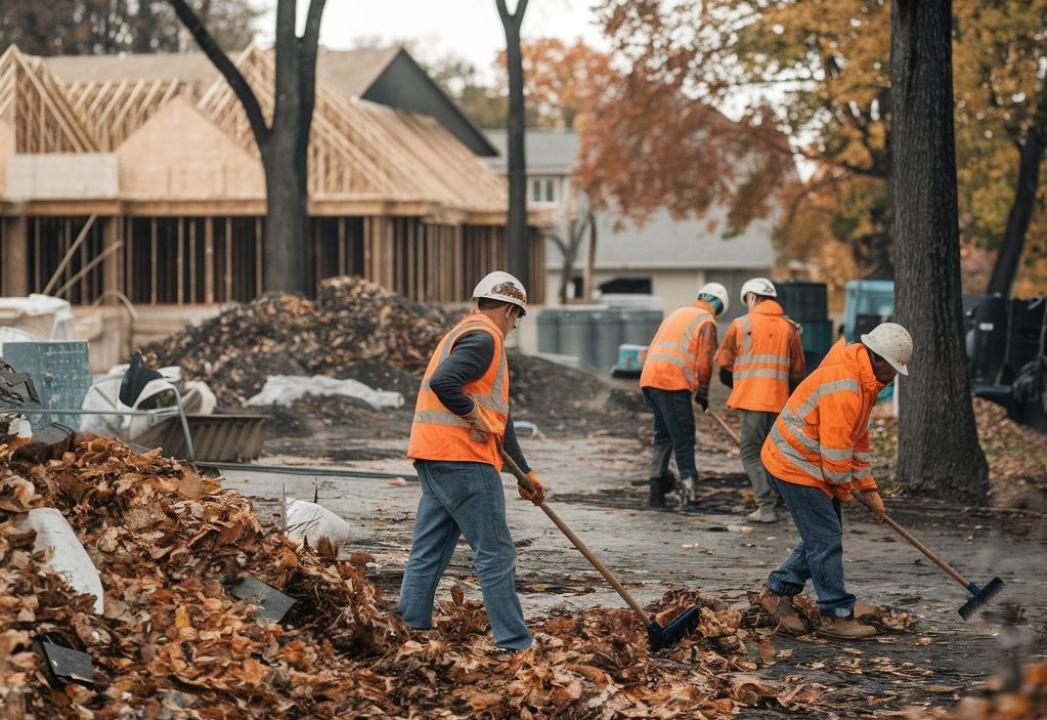
Personal protective equipment is a cornerstone of OSHA safety in post construction cleaning, including items like gloves, masks, and hard hats. Workers must wear PPE to shield against dust, chemicals, and falling objects during cleanup. For example, when vacuuming fine silica dust, a respirator prevents lung damage over time. OSHA requires training on how to use and maintain PPE correctly, ensuring it's not damaged. In post construction cleaning, choosing the right PPE depends on the site's hazards, like goggles for areas with paint fumes.
Identifying Hazards in Post Construction Cleaning
Hazard identification starts with assessing the site before beginning post construction cleaning, looking for things like electrical wires or uneven surfaces. OSHA recommends a walkthrough to spot risks and plan accordingly, perhaps marking off dangerous areas. Common hazards include sharp metal edges from cut materials, which could cause cuts if not handled with care. Workers should report new hazards as they clean, updating the team to prevent accidents. This proactive approach makes post construction cleaning safer and more organized, reducing downtime from injuries.
Safe Handling of Materials and Waste
In post construction cleaning, handling materials safely involves using proper lifting techniques to avoid back strains from heavy debris. OSHA standards require secure disposal of waste, like bagging hazardous materials separately to prevent environmental harm. For instance, old paint cans should be sealed and labeled before removal to avoid spills. Workers must also use non-slip mats when dealing with wet areas during cleaning. Adhering to these practices ensures post construction cleaning doesn't create new hazards while clearing old ones.
Training Workers for Compliance
Training is key under OSHA for post construction cleaning, covering topics like emergency procedures and tool usage. Sessions should be hands-on, teaching workers how to respond to chemical spills quickly. For example, a drill might simulate a dust exposure scenario to practice evacuation. OSHA mandates refresher courses annually to keep skills sharp. Well-trained teams perform post construction cleaning more effectively, minimizing errors and boosting confidence on the job.
Best Practices for Ongoing Safety
Implementing best practices like daily safety meetings can enhance post construction cleaning outcomes. OSHA encourages record-keeping of incidents to learn from past mistakes. Using eco-friendly cleaners reduces health risks while complying with standards. Teams should collaborate with contractors to align on safety protocols from the start. These habits make post construction cleaning a seamless, risk-free process that benefits all stakeholders.
Conclusion
In summary, post construction cleaning is more than just tidying up—it's about creating a safe, usable space while adhering to OSHA safety standards to protect workers. Key aspects include understanding hazards, using PPE, proper training, and safe material handling. By following these guidelines, teams can avoid accidents and ensure compliance. Ultimately, integrating safety into post construction cleaning leads to better project results and healthier environments. Remember, a little preparation goes a long way in making every cleanup successful.
FAQs
What is the main goal of post construction cleaning? The main goal of post construction cleaning is to remove all debris, dust, and residues left after building or renovation, making the space clean and safe for occupancy. It involves multiple stages to ensure nothing is overlooked. This process helps prevent issues like poor air quality or slippery surfaces. Overall, it prepares the area for its intended use without lingering hazards.
How do OSHA standards apply to post construction cleaning? OSHA standards apply by requiring safe work practices, such as hazard communication and PPE usage during post construction cleaning. They aim to protect workers from injuries related to chemicals or falls. Employers must train staff on these rules to avoid violations. Compliance ensures a legal and secure cleanup process.
Do I need special equipment for post construction cleaning? Yes, special equipment like industrial vacuums, protective gear, and safe ladders is often needed for effective post construction cleaning. This helps handle heavy debris and reach high areas safely. OSHA recommends choosing tools that match the site's risks. Proper equipment reduces effort and enhances safety.
What are common hazards in post construction cleaning? Common hazards include dust inhalation, slips on wet floors, and cuts from sharp materials during post construction cleaning. Electrical risks from exposed wires are also frequent. Identifying these early through inspections is crucial. OSHA guidelines help mitigate them with barriers and warnings.
How can workers stay compliant with OSHA during post construction cleaning? Workers can stay compliant by attending regular training, wearing required PPE, and reporting hazards promptly in post construction cleaning. Keeping records of safety checks is also important. Following labeled instructions on chemicals prevents misuse. Team communication ensures everyone follows the standards consistently.