Data analysis and reporting are routine tasks for analysts and managers, but they remain complex and time-consuming. The process usually involves selecting relevant data, writing SQL queries, validating results, and presenting insights in a clear, readable format. On top of that, effective data visualization is critical — it helps reveal trends, patterns, and anomalies that may not be obvious in raw tables.
Even with solid SQL skills, this workflow can become inefficient when reports need to be created regularly or datasets grow in size.
While SQL is essential, working only through queries is not always the most practical approach to analysis. GUI-based database tools help reduce friction by allowing users to explore data visually, refine queries faster, and prepare reports without excessive manual effort. Some tools also include built-in reporting features for creating structured, readable reports from query results. More details can be found here:
https://www.devart.com/dbforge/mysql/studio/data-reports.html
Using the right database tool can simplify data analysis and reporting without removing the flexibility of SQL.
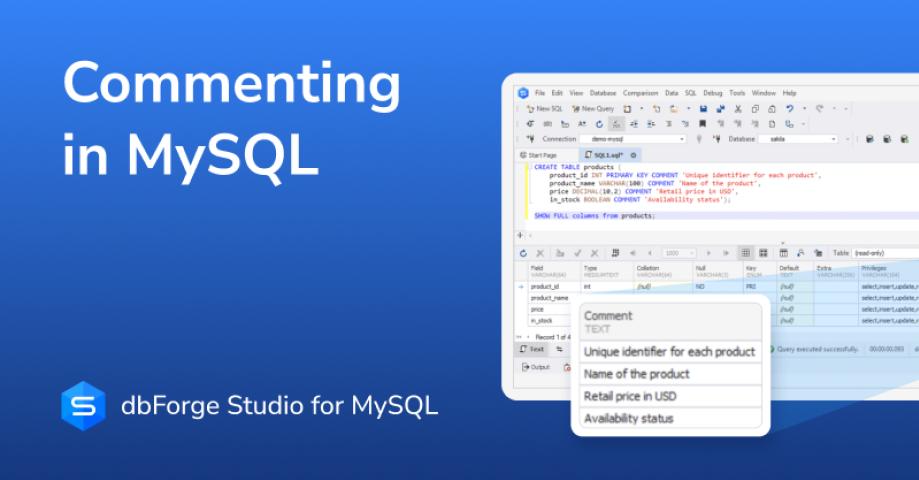
One example of such a tool is dbForge Studio for MySQL. It supports the full database workflow and offers an interface that makes data analysis tasks more approachable — especially when working with recurring reports or large datasets.
For those who want to explore it in practice, dbForge Studio for MySQL is available here:
https://www.devart.com/dbforge/mysql/studio/download.html