If you’ve lived in Houston through a single hurricane season or a brutal July, you know this city doesn't play nice with houses. As a contractor, I’ve spent more time on hot shingles than I have on solid ground, and I’m telling you: a Houston roof lives a hard life. We aren't just talking about rain; we're talking about a relentless cycle of baking heat, tropical moisture, and wind that can peel back a poorly installed shingle like a banana skin. When I’m called out for
The "Silent Killer" of Texas Roofs: UV Degradation
Everybody worries about the big storms, but the sun is what actually does the most damage over time. Our UV index is off the charts for most of the year. This radiation dries out the volatiles—the oils—in your asphalt shingles. When those oils vanish, the shingles become brittle.
Once a shingle is brittle, it loses its "grip" on the granules. Those granules aren't just for looks; they are the sunscreen for your roof. Without them, the sun eats right through the asphalt mat. If you see bald spots on your roof or a pile of sand at the end of your downspouts, your roof is effectively defenseless. At that point, you aren't just looking for a patch; you're trying to save the structural integrity of your decking.
Beyond the Shingle: The Importance of Flashing and Boots
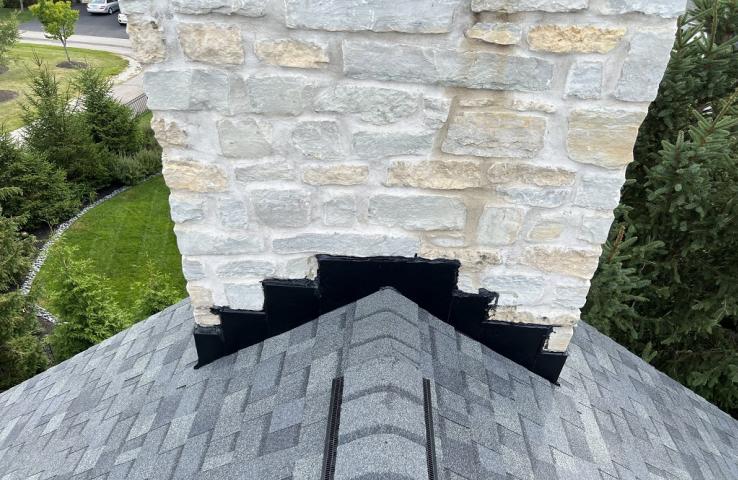
I always tell people that a roof is only as strong as its weakest point, and that point is usually a "penetration." Every pipe, chimney, and vent that pokes through your roof creates a potential hole. We use metal flashing and rubber boots to seal these, but in Houston, the expansion and contraction of the house can tear those seals apart.
Many
The Attic Connection: Why Ventilation Matters
If your roof is the shield, your attic ventilation is the engine that keeps it running. A lot of homeowners in the metro area and out toward the suburbs think that more insulation is always better. While insulation keeps your AC bill down, if you block your soffit vents, you’re trapping 150-degree air against the underside of your roof deck.
This leads to "cooking" the shingles from both sides. It also creates a condensation trap. In our humidity, that trapped air turns into water droplets on your rafters, which eventually leads to wood rot and mold. When we perform