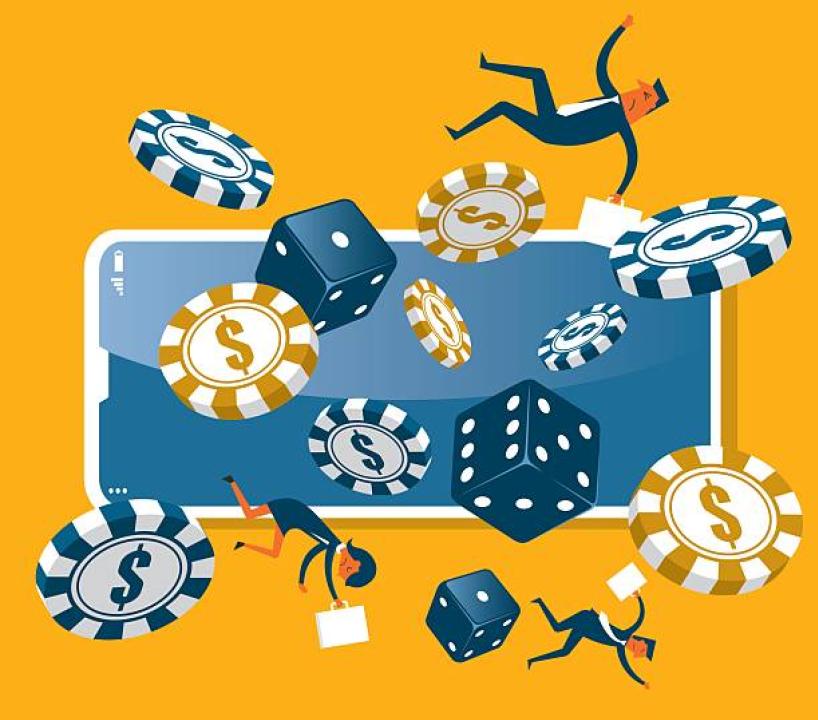
The digital era has brought convenience to our fingertips, but it has also opened the door to persistent risks, particularly in the realm of digital entertainment. One of the most significant challenges facing modern internet users is the rise of online gambling. Often disguised as harmless fun or a quick way to earn extra income, it can quickly spiral into a compulsive habit.
Many players find themselves drawn in by technical terms and features, believing that understanding certain metrics can guarantee success. However, maintaining a healthy relationship with technology requires discipline, psychological awareness, and a proactive approach to self-regulation.
Understanding the Psychology of the "Near Miss"
The allure of online gambling often lies in the sophisticated design of the platforms. These systems are engineered to trigger dopamine releases in the brain, creating a cycle of anticipation and reward. For instance, players often spend hours researching the Rtp Slot of various games, mistakenly believing that a higher theoretical return percentage guarantees a win in their specific session.
In reality, these figures are calculated over millions of spins and offer no protection for short-term play. The "near-miss" effect where the symbols almost align tricks the brain into thinking a win is imminent. To stay safe, one must recognize that these platforms are businesses designed to profit over time, regardless of the statistics displayed on the screen.
Practical Strategies to Stay in Control
Prevention is always more effective than intervention. If you feel your gaming habits are shifting from a hobby to a necessity, consider the following strategies to regain control:
1. Set Strict Financial Boundaries
Never gamble with money intended for essentials like rent, groceries, or bills. Establish a "limit" that you are 100% prepared to lose. Once that budget is exhausted, you must walk away immediately. Many people make the mistake of "chasing losses," thinking the machine "owes" them a win because they have been playing for a long time. This is a fallacy that leads to deep financial trouble.
2. Use Technology to Your Advantage
If you find it difficult to stop, use website blockers or specialized software designed to restrict access to gambling sites. Most reputable platforms also offer "Self-Exclusion" programs. These tools allow you to ban yourself from the site for a specific period, ranging from six months to several years. Taking the option to play out of your hands is often the most effective first step.
3. Time Management is Key
Gambling addiction often thrives on boredom or escapism. Set a timer before you start any online activity. When the alarm goes off, close the browser or app immediately. It is easy to lose track of hours in a digital environment, but strictly limiting your time reduces the "trance-like" state that often leads to overspending and emotional exhaustion.
Debunking the Myths of Digital Probability
A common misconception among players is that they can "beat the system" by finding a specific game that is "hot" or "due" for a payout. It is vital to understand that online games use Random Number Generators (RNG). This means every single action is independent of the one before it.
The probability of winning does not increase just because you have lost several times in a row. Treating these games as a mathematical certainty or a predictable source of income is a dangerous mindset. By debunking these myths, you remove the intellectual justification for continuing to play when the odds are stacked against you.
Finding Healthier Alternatives
To successfully steer clear of addiction, you must fill the void that gambling leaves behind. Many individuals turn to online gaming as a stress reliever, but there are more productive ways to achieve that same sense of engagement:
Physical Exercise: Sports and gym sessions release natural endorphins that provide a more sustainable "high" than the fleeting rush of a bet.
Skill-Based Hobbies: If you enjoy the thrill of competition, try strategy games, learning a new language, or coding. These activities provide a sense of progression based on effort rather than luck.
Financial Literacy: Instead of looking for quick wins, spend time learning about long-term investments. Understanding how wealth is built through patience and logic can diminish the appeal of high-risk gambling.
Recognizing the Red Flags
You may need to seek professional help if you notice the following behaviors:
Secrecy: Lying to family or friends about the amount of time or money spent online.
Escapism: Using gambling as the primary way to cope with stress, anxiety, or depression.
Financial Strain: Borrowing money or selling possessions to fund your digital account.
Preoccupation: Constantly thinking about the next session or how to recover lost funds.
Conclusion
Staying safe in the world of online entertainment requires a blend of skepticism and self-awareness. While the industry uses various technical terms to attract engagement, the user must remember that the house always holds the statistical advantage. True financial security and mental peace come from disciplined habits and a balanced life>