For a long time, I believed that songwriting was something you either had or didn’t. You either had a natural instinct for melodies, or you spent years studying theory, structure, and production until things clicked. Struggling with choruses, hooks, or finishing songs? The advice was always the same: practice more.
Then I started experimenting with an AI song maker.
At first, I didn’t think of it as a learning tool. I saw it as a shortcut—something to spark ideas when inspiration ran dry. But over time, something unexpected happened. I wasn’t just producing songs faster. I was becoming a better songwriter.
It made me wonder: can an AI really help you improve your songwriting skills?
From my experience, the answer is yes—but not in the way most people expect.
Songwriting Is About Patterns, Not Just Talent
Songwriting isn’t magic. At its core, it’s about recognising patterns:
-
how melodies rise and fall
-
how verses set up choruses
-
how repetition creates familiarity
-
how contrast evokes emotion
Beginners often don’t hear these patterns clearly. Traditional tutorials and books explain what to do, but rarely why it works emotionally.
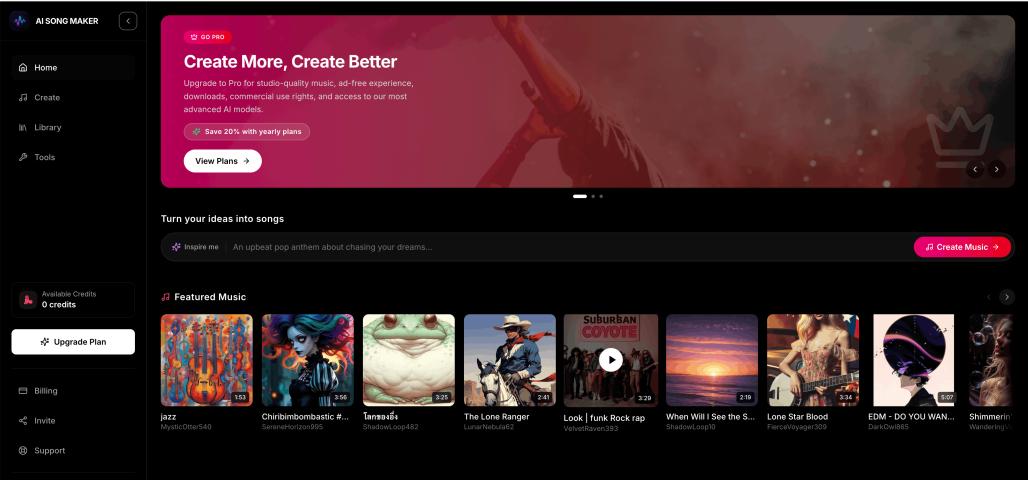
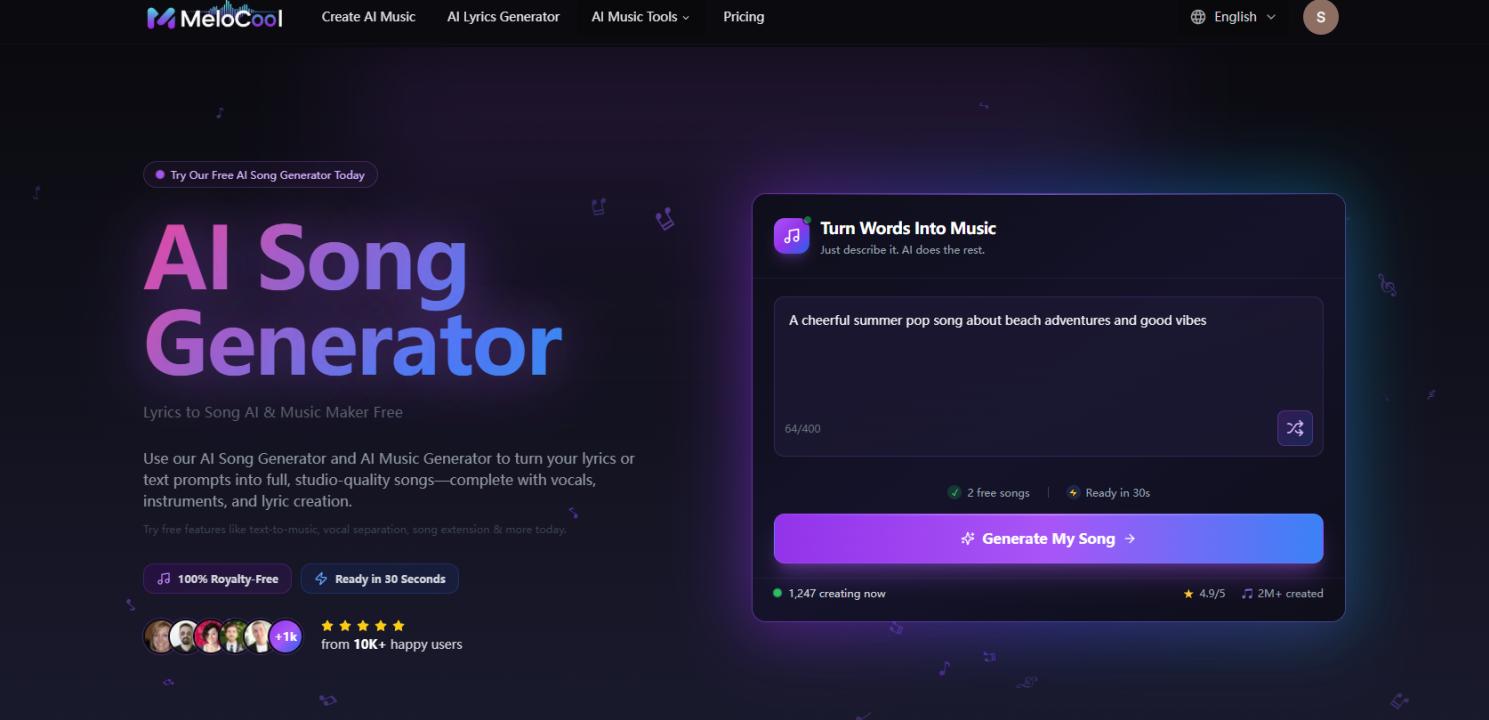
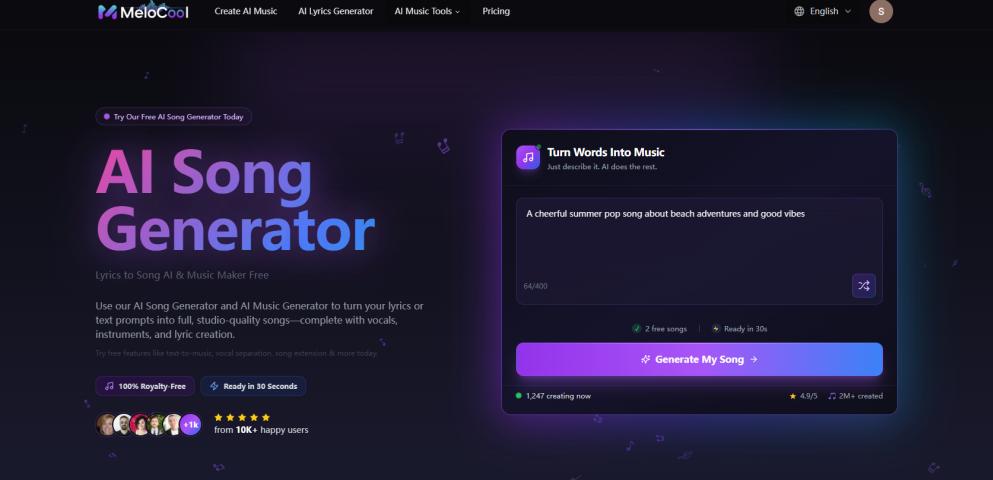
This is where tools like Melocool Music AI quietly shine. Instead of giving dry theory, it demonstrates it in real time.
Generating multiple drafts, I started noticing:
-
which melodies stick
-
where energy naturally rises
-
how choruses repeat with subtle variations
-
why some progressions feel resolved
I was learning by listening, not memorising.
AI Helps You Finish Songs, Not Just Start Them
One of the biggest struggles in songwriting isn’t starting—it’s finishing.
Most people have:
-
half-written verses
-
unused hooks
-
scattered lyric ideas
-
voice notes that never become songs
AI makes finishing easier. When it lays out a verse–chorus–bridge structure, you shift from staring at a blank page to refining ideas. That shift alone makes completing songs feel natural.
Even when I didn’t love the first draft, I learned why. I could hear where the song dragged, where the chorus needed more impact, or where lyrics felt rushed. That awareness sharpened my instincts immediately.
Safe Experimentation Makes You Learn Faster
Experimenting in songwriting often feels risky. If a melody or structure fails, you might abandon it entirely.
With AI, “failure” becomes cheap. You can:
-
regenerate choruses
-
test different tempos
-
try different moods
-
explore multiple melodic directions
By comparing versions, you begin understanding what works emotionally. Over time, this makes you more confident in your musical choices.
I’ve found that experimenting with different arrangements—trying various melodic lines, chord progressions, or rhythms generated by AI—really helps me see what fits and what doesn’t. It’s almost like having a virtual rehearsal space where you can explore ideas freely without worrying about mistakes.
Lyrics Improve When Music Supports Them
Lyrics don’t exist alone. Their impact depends on pacing, musical space, and the emotional support from the arrangement.
AI helps you hear this instantly. When placing your words over AI-generated sections, you quickly notice:
-
which lines are too long
-
where phrasing feels rushed
-
where silence is more powerful than words
This feedback trains you to write lyrics that fit the music naturally, rather than fighting it.
Creativity Grows When Self-Doubt Fades
A big obstacle to improving isn’t lack of talent—it’s self-doubt.
Many writers stop because they think:
-
“This isn’t good enough”
-
“I don’t know what I’m doing”
-
“I’m not a real songwriter”
Using AI like Melocool Music AI reduces that pressure. You’re encouraged to iterate, not to get everything perfect on the first try. Ironically, less pressure leads to more honest songwriting.
Learning Structure Without Studying Theory
Not everyone enjoys formal music education. Many songwriters learn best by doing.
AI supports this naturally. By interacting with generated songs, you absorb:
-
typical song length
-
section balance
-
energy flow
-
melodic repetition
You don’t need to know chords or scales by name to feel how a song works. Over time, structure becomes intuitive, and that understanding stays with you—even when writing without AI later.
What AI Can’t Replace
Of course, AI has limits. It cannot:
-
feel emotion
-
write from personal experience
-
replace your voice
AI can show patterns and structure, but meaning still comes from you. Your memories, emotions, and honesty are what make a song resonate.
The best results happen when AI is a tool, not a crutch.
Can AI Improve Your Songwriting?
From my experience, yes—if used intentionally.
It improves songwriting by:
-
helping you listen and learn faster
-
making experimentation safe
-
structuring unfinished ideas
-
improving how lyrics fit music
-
reducing self-doubt
-
helping you finish songs
It doesn’t make you creative. It helps you express creativity more clearly.
Final Thoughts
Songwriting is always a mix of instinct and structure. AI makes structure visible without killing instinct.
It shortens the gap between idea and execution. It turns confusion into clarity. And it quietly gives you the confidence to keep writing.
Used wisely, AI doesn’t replace your skills. It builds them—one finished song at a time.