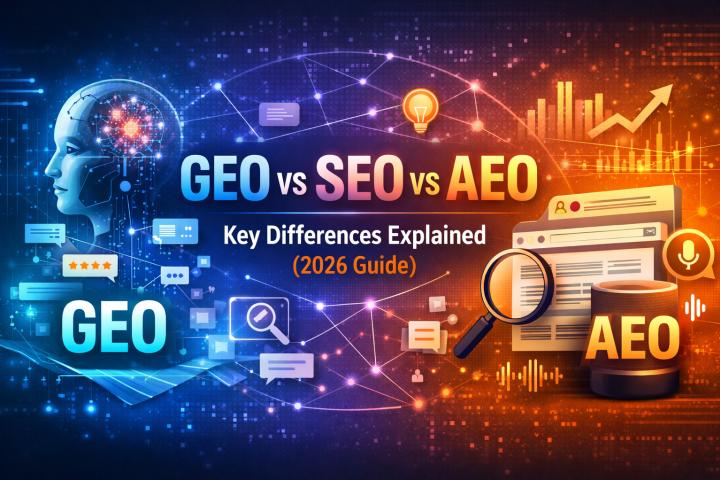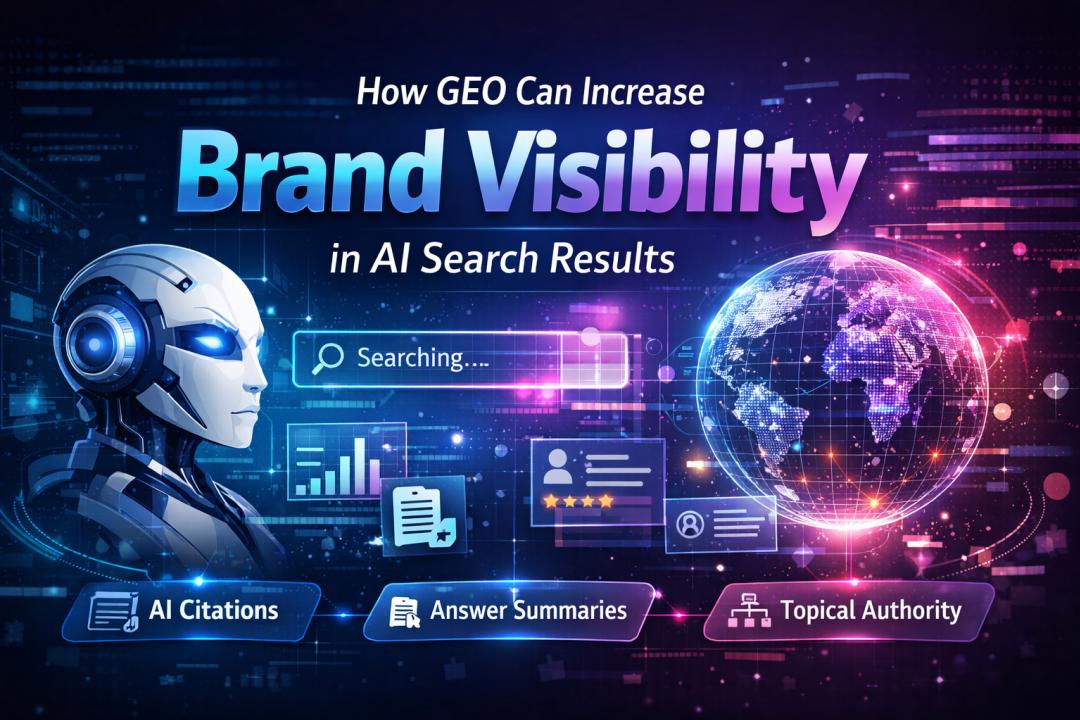
Search is no longer limited to blue links and ten traditional results. In 2026, AI-powered search engines generate summarized answers, conversational responses, and contextual recommendations directly within the interface. Platforms powered by large language models now synthesize information instead of merely listing web pages.
This shift has fundamentally changed how brands gain visibility online. Traditional SEO alone is no longer sufficient. Businesses must now optimize for AI-generated answers, summaries, and citations. This is where GEO (Generative Engine Optimization) becomes critical.
Generative Engine Optimization focuses on positioning your brand to appear in AI-generated responses, conversational search results, and answer summaries across modern AI-driven platforms.
Understanding the Shift from Traditional Search to AI Search
Traditional search engines ranked pages primarily based on keywords, backlinks, and technical factors. Users clicked on links to access information.
AI search systems behave differently:
- They summarize multiple sources into one answer
- They cite authoritative websites selectively
- They prioritize structured and context-rich content
- They deliver conversational responses
Instead of asking, “Which website ranks first?” the new question is, “Which brand does the AI trust enough to mention?”
Visibility now depends on being recognized as a credible, authoritative source within a topic cluster.
What is GEO?
Generative Engine Optimization (GEO) is the practice of structuring, formatting, and positioning content so AI systems can:
- Understand it clearly
- Extract it confidently
- Cite it accurately
- Reference it contextually
GEO extends beyond traditional SEO by focusing on:
- Entity authority
- Contextual depth
- Structured data clarity
- Topical completeness
- Answer-based formatting
It is not about stuffing keywords. It is about becoming a reliable knowledge source.
Why Brand Visibility is Changing in AI Search?
AI systems prioritize:
- Clarity over cleverness
- Authority over volume
- Structure over fluff
- Verified expertise over vague claims
If your content is thin, unstructured, or generic, it is unlikely to be cited in AI-generated responses.
However, if your brand consistently publishes high-quality, well-structured, deeply informative content, AI models are more likely to extract and reference your information.
GEO increases the probability of your brand appearing inside AI-generated answers, which dramatically boosts authority and visibility.
How GEO Improves Brand Visibility?
1. Builds Topical Authority
AI models evaluate authority across topic clusters, not isolated articles.
For example, a company writing consistently about:
- AI development
- API testing
- .NET engineering
- CRM systems
- Quality assurance
Creates a strong semantic footprint in those domains.
When AI systems encounter relevant queries, they are more likely to reference brands that demonstrate sustained expertise.
Topical authority is built through depth, not random blog publishing.
2. Optimizes for AI Summaries
AI search systems extract concise, structured answers.
To increase citation probability:
- Use clear headings
- Provide direct definitions
- Include concise explanation blocks
- Answer specific questions clearly
- Avoid unnecessary filler
AI models prefer structured, easily extractable information.
If your content includes clear answer->
3. Enhances Structured Data & Entity Recognition
Search engines and AI models rely on entities—recognized names, services, technologies, and concepts.
GEO focuses on:
- Proper internal linking
- Clear service descriptions
- Consistent brand naming
- Structured schema markup
- FAQ sections
- Clean metadata
The clearer your digital entity profile, the easier it is for AI systems to associate your brand with specific expertise areas.
4. Improves Trust Signals
AI models analyze trust indicators such as:
- Expertise
- Consistency
- Citations
- Technical accuracy
- Contextual clarity
When your content demonstrates strong domain knowledge, AI engines are more likely to include your brand in generated outputs.
Trust in AI search is built through precision and authority.
5. Increases Indirect Traffic
Even when AI systems provide summarized answers, they often include source references.
Being cited in AI-generated responses:
- Improves brand authority
- Increases recognition
- Builds credibility
- Drives referral traffic
- Strengthens thought leadership
The value is not just clicks. It is brand positioning.
GEO vs Traditional SEO
Traditional SEO focuses on:
- Ranking in search results
- Keyword optimization
- Backlink acquisition
GEO focuses on:
- Being referenced in AI answers
- Contextual visibility
- Entity authority
- Structured clarity
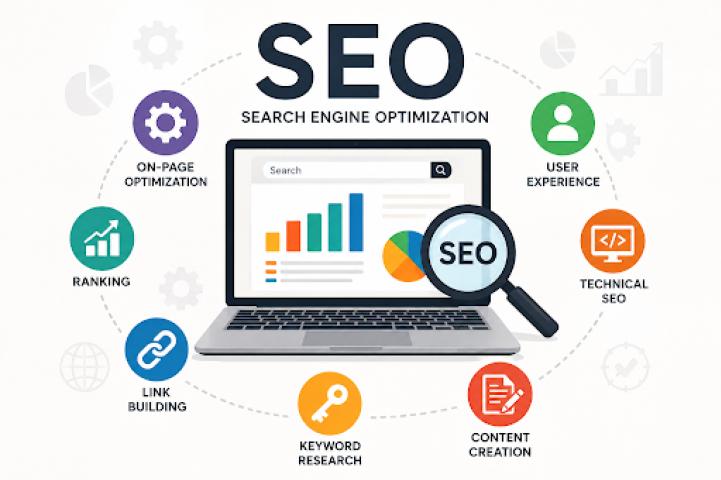
SEO drives traffic from clicks.
GEO drives authority from citations.
Both are necessary in 2026.
Key GEO Strategies to Increase AI Visibility
1. Create Comprehensive Topic Clusters
Instead of isolated blogs, develop interconnected content ecosystems.
Example cluster:
- What is Automation Testing?
- API Testing Best Practices
- How to Choose a QA Partner
- Common QA Mistakes
- Testing Framework Comparison
This interconnected content reinforces domain authority.
2. Write Answer-Oriented Content
Structure content using:
- Clear definitions
- Bullet points
- FAQ sections
- Numbered lists
- Short explanatory paragraphs
AI models extract information more easily from structured formats.
3. Implement Technical Optimization
Key technical elements:
- Clean HTML structure
- Logical heading hierarchy
- Canonical tags
- XML sitemaps
- Robots configuration
- AI crawl guidance files
Technical clarity ensures AI systems can parse your content efficiently.
4. Strengthen Internal Linking
Internal linking builds semantic relationships.
When multiple pages reference a core service page, AI models better understand topic relevance.
Contextual linking improves content cohesion and entity mapping.
5. Build Authoritative Backlinks
AI models evaluate domain credibility through signals such as:
- Quality backlinks
- Industry mentions
- Expert citations
- Digital PR
Backlinks reinforce domain authority, increasing AI trust probability.
Measuring GEO Impact
Unlike traditional SEO rankings, GEO impact can be observed through:
- Increased branded search volume
- Higher referral traffic
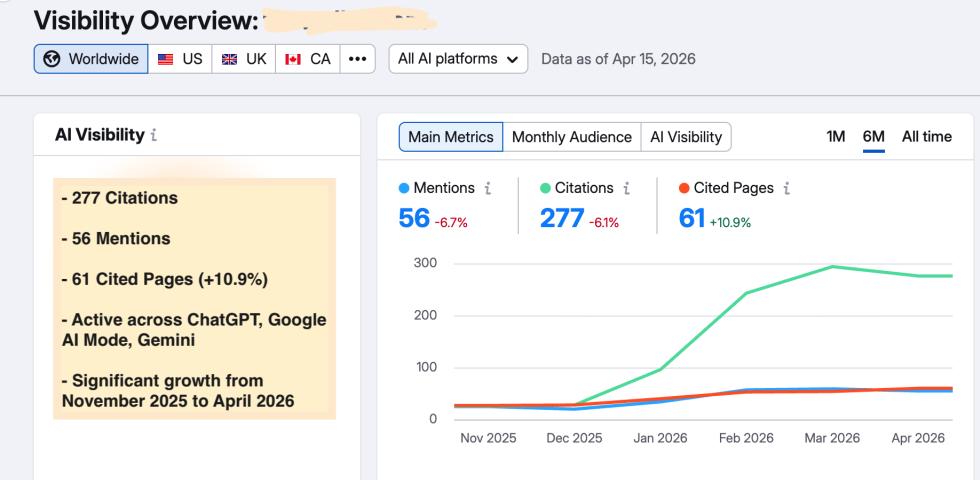
- Mentions in AI answer platforms
- Improved domain authority
- Increased organic engagement
As AI search grows, brand presence in AI-generated content becomes a competitive differentiator.
Common GEO Mistakes
- Publishing shallow content
- Ignoring structured formatting
- Over-optimizing keywords
- Failing to build topic clusters
- Neglecting technical optimization
- Inconsistent brand positioning
GEO requires strategic planning, not random content production.
Why Businesses Are Adopting GEO in 2026?
As AI search platforms become mainstream, early adopters gain competitive advantage.
Brands investing in GEO today benefit from:
- Higher AI visibility
- Stronger authority positioning
- Reduced dependency on paid ads
- Long-term search resilience
Visibility in AI search is not accidental. It is engineered.
Many organizations now collaborate with a specialized Generative Optimization Agency to ensure their digital assets are optimized for AI-driven search environments.
The Long-Term Brand Advantage
AI search is evolving rapidly. Traditional ranking positions may fluctuate, but entity authority and structured expertise provide long-term stability.
GEO supports:
- Sustainable digital visibility
- Stronger knowledge positioning
- Higher trust perception
- Improved competitive differentiation
The brands that understand AI search behavior today will dominate tomorrow’s discovery landscape.
Final Thoughts
Generative Engine Optimization is not replacing SEO, it is expanding it.
As AI-generated answers become the primary interface between users and information, brand visibility depends on authority, structure, and clarity.
GEO increases the likelihood that:
- Your brand is cited
- Your expertise is recognized
- Your content is extracted
- Your authority is amplified
In 2026, visibility is no longer just about ranking on page one. It is about being the trusted source AI engines choose to reference. Brands that adapt to this shift will not only gain traffic, but lasting digital authority.