Hair loss is not just a cosmetic issue; for many people, it directly affects confidence, self-image, and everyday interactions. If you are researching solutions in Mumbai, you have likely encountered two of the most commonly recommended treatments: PRP therapy and hair transplant surgery. While both are effective in the right situations, they work very differently. Understanding the difference between PRP vs hair transplant is essential before deciding which path to take.
Mumbai is home to some of the most advanced hair restoration facilities in India, but choosing the wrong treatment—even at the best clinic, can lead to delayed results or disappointment. This article explains how PRP hair treatment and hair transplant work, their safety, costs, side effects, and which option is better suited for different stages of hair loss.
Understanding PRP Hair Treatment
PRP, or Platelet-Rich Plasma therapy, is a non-surgical procedure that uses the healing properties of your own blood to stimulate hair growth. A small amount of blood is drawn, processed to concentrate the platelets, and then injected into the scalp. These platelets release growth factors that improve blood circulation, strengthen weak hair follicles, and slow down hair fall.
PRP treatment in Mumbai is commonly recommended for people experiencing early hair thinning, diffuse hair loss, or excessive shedding. It does not create new hair follicles but helps existing follicles perform better. For this reason, PRP is often suggested as an early intervention or as a supportive treatment after surgery.
Understanding Hair Transplant Surgery
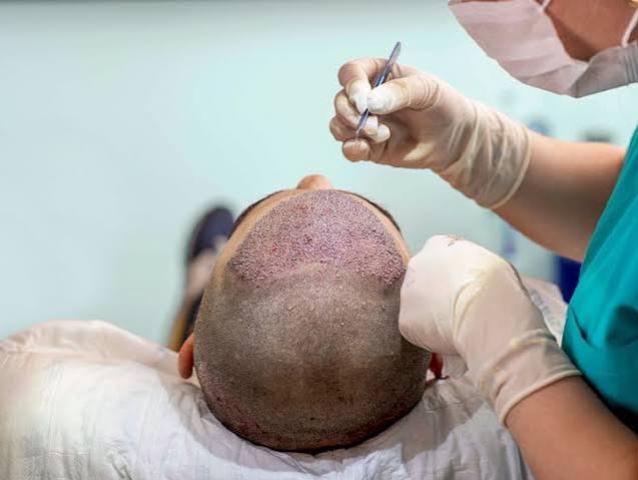
A hair transplant is a surgical solution designed to restore hair in areas where follicles are no longer active. In modern procedures, healthy follicles are extracted from the donor area, usually the back of the scalp, and implanted into bald or thinning regions. With techniques such as FUE and DHI, hair transplant in Mumbai has become safer, more precise, and capable of delivering very natural-looking results.
Unlike PRP, a hair transplant creates new hair growth in bald areas. Once the transplanted hair starts growing, it is permanent because these follicles are resistant to genetic hair loss. This makes hair transplant the preferred option for people with advanced baldness or visible gaps.
PRP vs Hair Transplant: How Do They Really Compare?
The most important difference between PRP and hair transplant lies in what they can realistically achieve. PRP works best when hair follicles are still alive but weak. It improves quality, thickness, and growth cycle but cannot regrow hair in completely bald areas. A hair transplant, on the other hand, physically restores hair in areas where nothing else can.
PRP requires multiple sessions and ongoing maintenance, while a hair transplant is usually a one-time procedure with long-term results. Recovery time for PRP is minimal, whereas hair transplant involves a short healing period. Many experienced doctors at a reputed hair transplant clinic in Mumbai often recommend combining both treatments to maximize results, especially after surgery.
How Many PRP Sessions Are Required?
Patients frequently ask how many PRP sessions are required before visible improvement. In most cases, doctors recommend an initial course of three to four sessions spaced about a month apart. After that, maintenance sessions are advised every few months depending on hair loss severity and response to treatment.
PRP results are gradual. Hair fall reduction may be noticed within the first few months, while improvements in texture and thickness usually appear later. It is important to understand that PRP is not a one-time cure but a treatment that works with consistency.
PRP Treatment Side Effects and Safety
PRP is considered one of the safest hair loss treatments because it uses the patient’s own blood. However, mild PRP treatment side effects can occur. Some patients experience temporary redness, swelling, tenderness, or mild headache after the procedure. These effects usually subside within a day or two.
Serious complications are rare and are typically associated with poor hygiene or untrained practitioners. Choosing a certified clinic for PRP treatment in Mumbai significantly reduces any risk and ensures proper protocols are followed.
Safety and Recovery After Hair Transplant
Modern hair transplant procedures are safe when performed by experienced surgeons. After surgery, patients may notice mild swelling, redness, or scabbing, which usually resolves within a week to ten days. Most people return to work within a few days.
It is normal for transplanted hair to shed temporarily within the first few months. New hair growth generally begins around the third or fourth month, with visible improvement by six months and full results appearing between nine and twelve months. Clinics offering hair transplant in Mumbai typically provide structured follow-up care to support recovery and growth.
PRP Treatment Cost in India
The PRP treatment cost in India varies depending on the clinic, technology used, and number of sessions required. On average, each session may cost a few thousand rupees, and package pricing is often more economical. When PRP is combined with a hair transplant, many clinics offer it at a reduced rate as part of post-surgery care.
Hair Transplant Cost in Mumbai
Hair transplant cost Mumbai depends on the number of grafts required, the technique chosen, and the expertise of the surgeon. Smaller procedures cost less, while larger sessions with higher graft counts naturally increase the total cost. While price is an important factor, the experience of the doctor and the quality of planning play a far bigger role in achieving natural results.
Which Option Is Right for You?
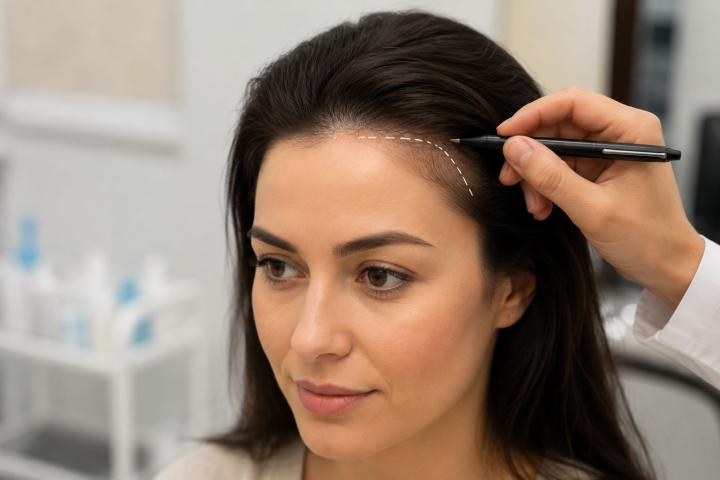
If you are experiencing early hair thinning, excessive hair fall, or diffuse hair loss, PRP treatment may be the right starting point. It helps preserve existing hair and can delay the need for surgery. However, if you have visible bald areas, receding hairlines, or advanced hair loss, a hair transplant is the only option that can restore density.
Many patients achieve the best outcomes by combining both approaches. PRP supports transplanted grafts, improves scalp health, and enhances overall hair quality after surgery. This combined approach is commonly recommended by specialists at leading hair transplant clinics in Mumbai.
Final Thoughts
Choosing between PRP and hair transplant is not about which treatment is better, but which one is right for your stage of hair loss. Understanding the difference between PRP vs hair transplant, realistic results, safety, and cost allows you to make an informed decision rather than an emotional one.
Whether you opt for PRP treatment in Mumbai, hair transplant surgery, or a combination of both, the most important step is a detailed consultation with an experienced specialist. The right diagnosis, honest guidance, and proper execution are what ultimately lead to successful, long-lasting results.