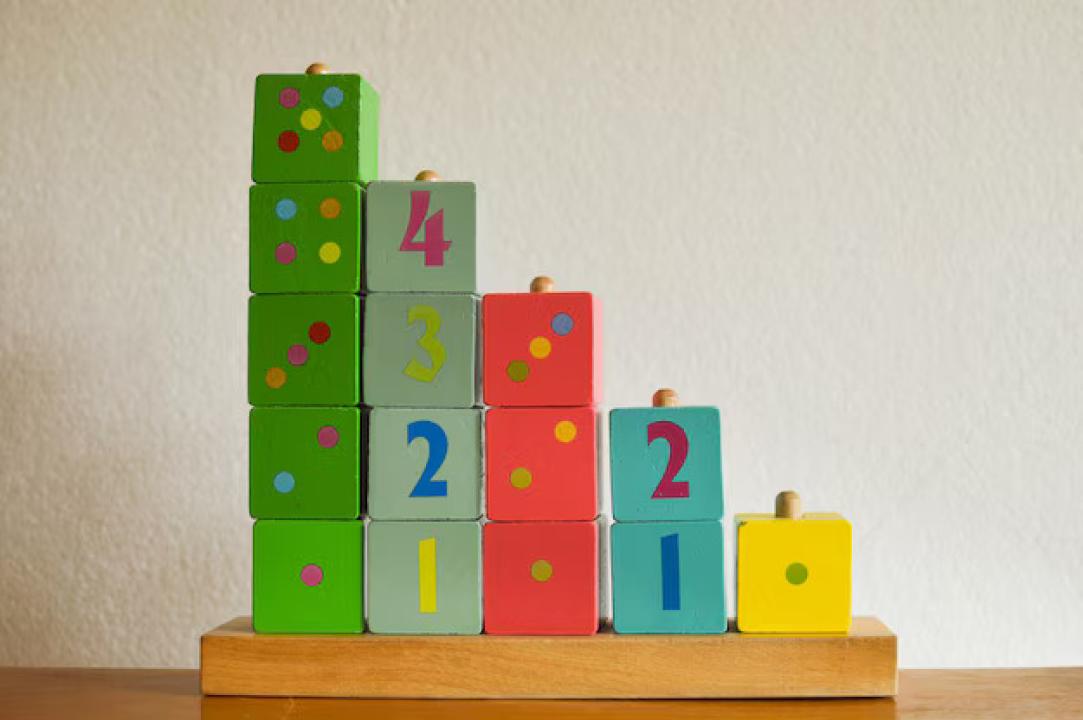
Early numeracy is more than just learning numbers—it’s about helping children understand how the world works through patterns, quantities, and problem-solving. Research consistently shows that strong numeracy skills in early childhood are one of the most reliable predictors of long-term academic success and self-confidence.
When children are introduced to math for preschoolers in a fun, pressure-free way, they begin to see math as something approachable rather than intimidating. Simple activities like counting toys, sorting colors, recognizing shapes, or comparing sizes help build a natural comfort with numbers. These early experiences create a strong foundation for logical thinking and decision-making.
Early numeracy development also plays a key role in emotional growth. Children who understand basic math concepts tend to feel more confident participating in class, asking questions, and solving problems independently. This confidence doesn’t stay limited to math—it often extends to reading, communication, and social interactions.
Parents and educators can strengthen early numeracy by turning everyday moments into learning opportunities. Cooking together, playing board games, singing number rhymes, or exploring patterns in nature all reinforce math for preschoolers in an engaging and meaningful way.
By nurturing numeracy skills early, we’re not just teaching children how to count—we’re empowering them with confidence, curiosity, and the belief that they can learn, grow, and succeed throughout life.