The success of multimedia content in Arabic-speaking markets hinges on one critical element that brands often overlook: the quality of voice overs. A poorly executed voice recording can diminish brand credibility, reduce audience engagement, and ultimately waste substantial marketing investments. In an era where digital content consumption across the Middle East continues to surge, understanding the impact of professional audio production has become essential for businesses targeting these lucrative markets.
The Hidden Cost of Substandard Voice Over Quality
Organizations frequently discover too late that inadequate voice over production creates irreversible damage to their brand perception. When audiences encounter muffled audio, unnatural pronunciation, or inappropriate dialect choices, they immediately question the professionalism of the entire organization. This phenomenon extends beyond simple annoyance—research consistently demonstrates that audio quality directly influences how audiences perceive message credibility and brand value.
The problem intensifies when considering the linguistic complexity of Arabic itself. Unlike many languages, Arabic features significant dialectal variations across regions, from Gulf Arabic to Levantine and Egyptian dialects. A voice over artist selected without consideration for these nuances may technically deliver correct translations while completely missing the cultural resonance needed to connect with target audiences. The result manifests as content that feels foreign or inauthentic, regardless of how much effort went into visual production elements.
Technical deficiencies compound these challenges. Background noise, inconsistent audio levels, poor microphone quality, and inadequate soundproofing all contribute to unprofessional final products. When corporate training videos, e-learning modules, promotional content, or documentary narration suffer from these issues, the message becomes secondary to the distraction. Audiences disengage, retention rates plummet, and conversion objectives remain unmet.
Why Quality Gaps Persist in the Market
The proliferation of freelance platforms and budget service providers has created a false sense of accessibility to quality voice over work. Many organizations, particularly those new to Arabic markets, assume that hiring any native Arabic speaker with recording equipment will suffice. This miscalculation stems from underestimating the specialized skills required for professional voice work—skills that extend far beyond language fluency.
Professional voice over talent brings more than linguistic accuracy to projects. They understand pacing, emotional modulation, breath control, and how to interpret script intent. They recognize when a phrase requires emphasis or when a pause enhances message retention. These subtleties separate adequate recordings from exceptional ones that truly resonate with audiences.
The technical production environment matters equally. Home recording setups, regardless of the talent's vocal abilities, rarely achieve the acoustic standards necessary for professional multimedia projects. Without proper soundproofing, professional-grade microphones, audio interfaces, and post-production expertise, recordings carry the sonic signatures of amateur production—artifacts that audiences immediately detect, even if they cannot articulate what sounds wrong.
For businesses investing significant resources into video production, animation, e-learning platforms, or advertising campaigns, accepting subpar audio represents a critical strategic error. The cognitive dissonance created when high-quality visuals paired with low-quality audio diminishes the entire project's effectiveness, creating an impression of inconsistency that audiences attribute directly to brand standards.
The Solution: Partnering with Established Production Facilities
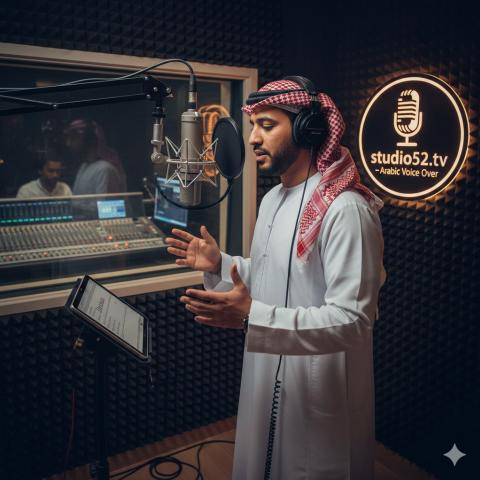
Addressing these challenges requires working with organizations that specialize in Arabic Voice Over Recording and maintain the infrastructure necessary for consistent excellence. Professional production facilities invest in acoustic engineering, maintaining sound-isolated recording environments that eliminate ambient interference and ensure pristine audio capture.
These facilities employ experienced audio engineers who understand not just recording technology but the specific requirements of different multimedia formats. The technical knowledge required to produce voice overs for corporate presentations differs from that needed for documentary narration or commercial advertising. Professional teams adjust recording parameters, microphone selection, and processing techniques based on the content's final application.
Equally important is access to a diverse roster of voice talent. A reputable Arabic Dubbing Studio maintains relationships with voice artists representing various Arabic dialects, age ranges, and vocal characteristics. This diversity enables precise matching between project requirements and talent capabilities, ensuring that the chosen voice authentically represents the intended demographic and geographic market.
The distinction becomes particularly evident in projects requiring multiple language versions or dialects. Organizations producing content for pan-Arab distribution need voice over services that can maintain consistent quality standards across different Arabic variants while respecting regional preferences. This level of sophistication requires institutional knowledge, quality control processes, and production consistency that individual freelancers typically cannot provide.
Maximizing Project Success Through Strategic Selection
Selecting the right production partner begins with evaluating their technical capabilities and industry experience. Organizations should examine sample work across various content types, listening specifically for audio clarity, appropriate dialect selection, emotional authenticity, and technical consistency. Professional providers willingly share portfolio examples demonstrating their range and quality standards.
Equally valuable is understanding the provider's production process. How do they approach script adaptation? What revision policies ensure client satisfaction? How do they manage project timelines for large-scale productions? These operational considerations directly impact project outcomes and should influence selection decisions as much as audio quality samples.
For organizations requiring ongoing content production, establishing relationships with a Professional Arabic Voice Over Service creates long-term advantages. Consistent collaboration enables production teams to develop a deep understanding of brand voice, messaging preferences, and quality expectations. This familiarity streamlines subsequent projects, reduces revision cycles, and ensures brand consistency across all multimedia content.
The investment in professional voice over production pays measurable dividends. Higher audience engagement translates to improved training outcomes for corporate learning modules, increased conversion rates for advertising campaigns, and enhanced brand perception across all content types. When audiences can focus entirely on message content without distraction from audio deficiencies, communication objectives are achieved more effectively.
Taking Action on Audio Excellence
Organizations serious about Arabic market success cannot treat voice over production as an afterthought or cost-cutting opportunity. The audio component of multimedia content carries equal weight with visual elements in determining audience response and project effectiveness. Substandard voice over quality undermines even the most sophisticated visual production, creating lasting negative impressions that damage brand equity.
The path forward requires strategic partnerships with established production facilities that demonstrate technical excellence, linguistic expertise, and consistent quality delivery. Evaluating providers based on comprehensive criteria—technical infrastructure, talent diversity, production processes, and demonstrated experience—ensures that voice over components enhance rather than undermine multimedia projects.
For businesses expanding into Arabic-speaking markets or organizations seeking to elevate existing content quality, the time to prioritize audio production standards is now. The competitive advantages gained through professional voice over work—enhanced credibility, improved engagement, stronger brand perception—far exceed the marginal cost savings achieved through budget alternatives. Audiences notice quality, and in markets as sophisticated and competitive as those across the Middle East, that attention to detail differentiates successful brands from forgettable ones.
Invest in excellence. Partner with professionals who understand that great audio is not an expense but an essential component of effective communication.