Most startups don’t think about news data on day one.
In the early stages, founders usually rely on instinct, conversations, Twitter threads, newsletters, or whatever shows up on Google when something important happens. That works - for a while. But as soon as a product starts to grow, relying on scattered sources becomes a problem.
Suddenly, news is not just “interesting information.” It starts affecting product decisions, customer conversations, partnerships, pricing, and even roadmap priorities.
That is when startups realize they need a better way to stay updated.
The moment manual tracking stops working
Almost every startup follows the same path.
At first, someone on the team keeps an eye on:
- Industry blogs
- Google Alerts
- A few finance or tech sites
- Social media
Eventually, things slip. Important announcements get missed. Updates arrive late. Two people read the same story from different places and interpret it differently. There is no shared context, no history, and no reliable way to say, “Here’s what actually changed this week.”
News becomes noisy instead of useful.
Why scraping sounds tempting - and usually fails
When teams outgrow manual tracking, scraping often looks like the fastest solution. It feels flexible and cheap. You can pull headlines, parse pages, and store whatever you need.
In practice, scraping creates more work than it saves.
Websites change layouts without warning. One small HTML update breaks the pipeline. Different publishers structure content differently. Maintenance becomes constant. And for a startup trying to move fast, that is a distraction nobody wants.
At some point, most teams decide scraping is worth the effort.
Turning news into data, not content
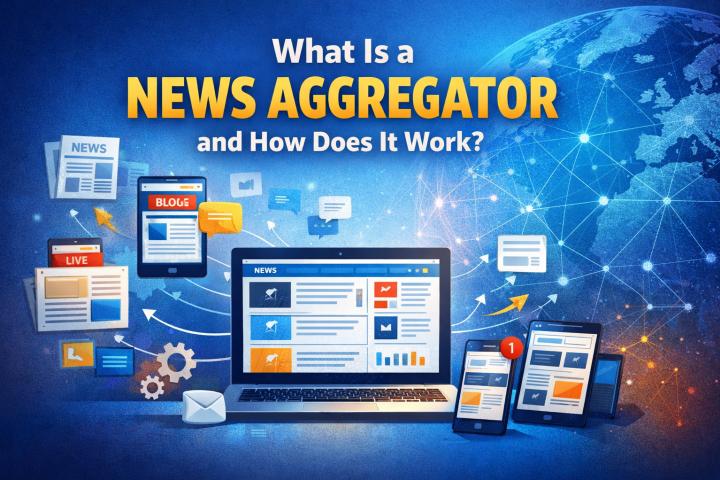
The real shift happens when startups stop treating news as something to read and start treating it as something to process.
Instead of asking, “What happened today?” the question becomes:
- What changed that affects our market?
- Which competitors were mentioned?
- What regulations or policies are moving?
- What signals should trigger an alert?
To answer those questions consistently, startups need news in a structured form - something machines can work with.
That’s where News APIs come in.
How startups actually use News APIs
In practice, startups don’t use news data in one single way.
Some teams build internal dashboards that surface only relevant headlines for leadership or product teams. Others set up alerts when specific companies, industries, or regions appear in the news. Fintech and analytics products often embed news directly into user-facing features, adding context to numbers and charts.
Some teams even analyze news over time to spot trends, spikes, or recurring themes - especially when feeding data into AI or research workflows.
The common thread is automation. News stops being something people chase and becomes something the system delivers.
How startups actually use News APIs
In practice, startups don’t use news data in one single way.
Some teams build internal dashboards that surface only relevant headlines for leadership or product teams. Others set up alerts when specific companies, industries, or regions appear in the news. Fintech and analytics products often embed news directly into user-facing features, adding context to numbers and charts.
Some teams even analyze news over time to spot trends, spikes, or recurring themes — especially when feeding data into AI or research workflows.
The common thread is automation. News stops being something people chase and becomes something the system delivers.
A tool many startups rely on
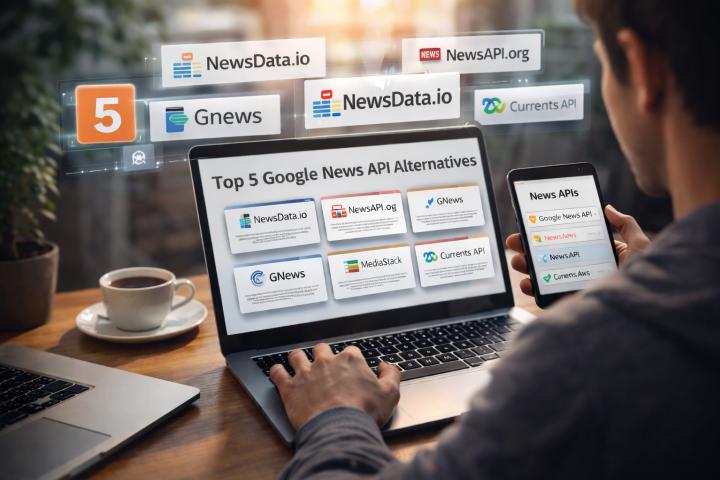
One platform often used for this kind of setup is Newsdata.io.
It gives startups programmatic access to real-time and historical news from tens of thousands of sources worldwide, across many countries and languages. Instead of juggling feeds or maintaining scrapers, teams can pull structured news data and filter it based on what actually matters to them.
For startups with small teams and limited time, that reliability is usually the biggest advantage.
Final thoughts
Staying updated with real-time news isn’t about reading more articles. It’s about reducing friction between the outside world and your product decisions.
The startups that handle this well don’t consume more news — they consume better, more relevant signals. And in fast-moving markets, that clarity often makes the difference between reacting late and moving first.