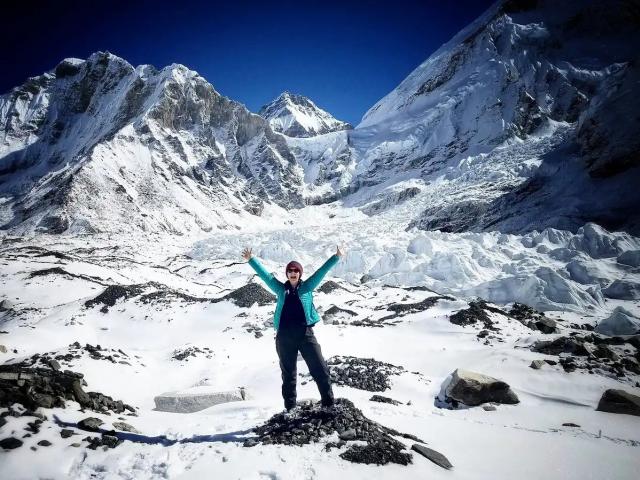
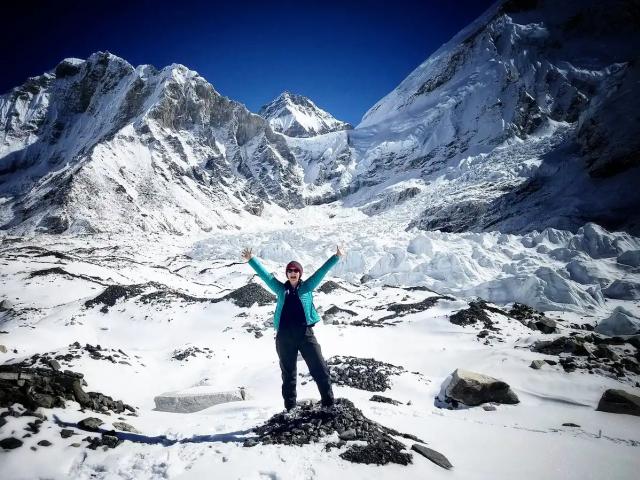
When I first laced up my boots at Lukla, I knew the Everest Three High Passes Trek would test me in ways no other trek had. The mountains looked huge, the air thin, and the trails winding. Walking through Sherpa villages, crossing glacial rivers, and gaining altitude every day, I learned that this trek is not just a path to Everest Base Camp. It is a journey of endurance, culture, and breathtaking landscapes.
Understanding the Altitude Challenge
One of the main factors that makes the Everest Three High Passes Trek special is its altitude. The trek crosses three major high passes: Kongma La (5,535 meters), Cho La (5,420 meters), and Renjo La (5,360 meters). Each pass presents a unique challenge. As we gained height, the air became thinner and every step felt heavier. Walking slowly, taking breaks, and drinking water often helped us adjust.
Even for experienced trekkers, the high passes are a test of patience and fitness. Proper acclimatization days are built into the itinerary to prevent altitude sickness and allow the body to adjust to each new elevation. Spending time in Namche Bazaar or Dingboche before heading higher made a noticeable difference in energy levels.
Trek Highlights Beyond Altitude
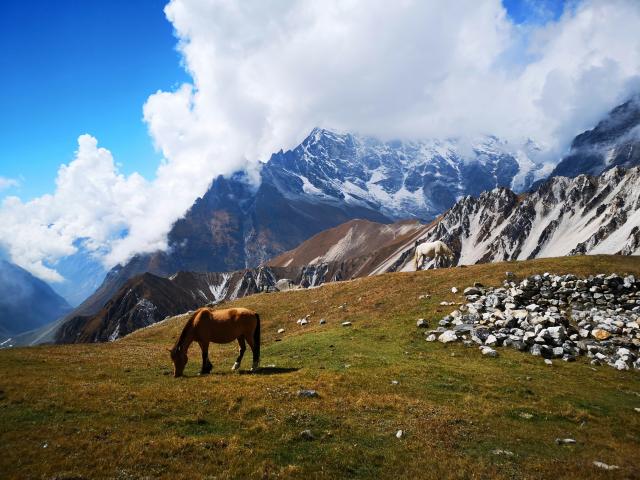
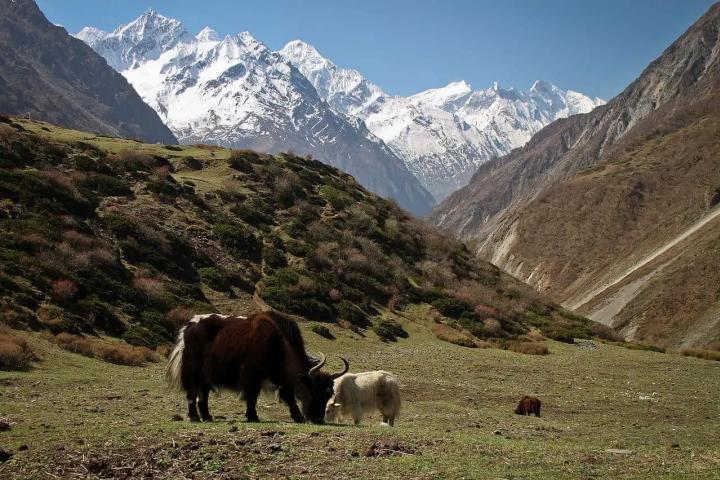
While altitude defines much of the trek, the journey is also about scenery and culture. We passed through lush rhododendron forests, crossed roaring rivers on suspension bridges, and walked past prayer flags fluttering in the wind. Sherpa villages like Thame, Dingboche, and Gokyo offered glimpses into daily life in the Himalayas. Monasteries and mani walls reminded us of the region’s rich Buddhist heritage.
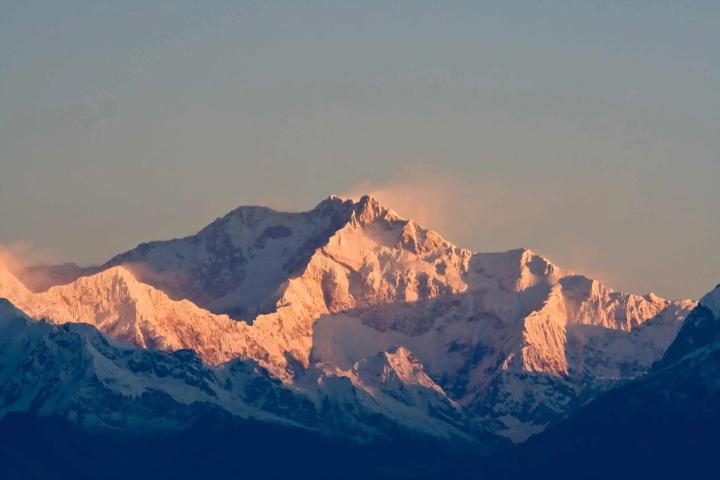
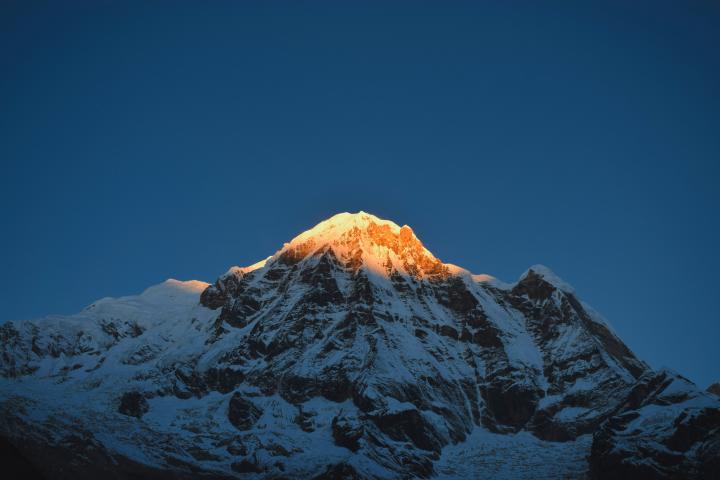
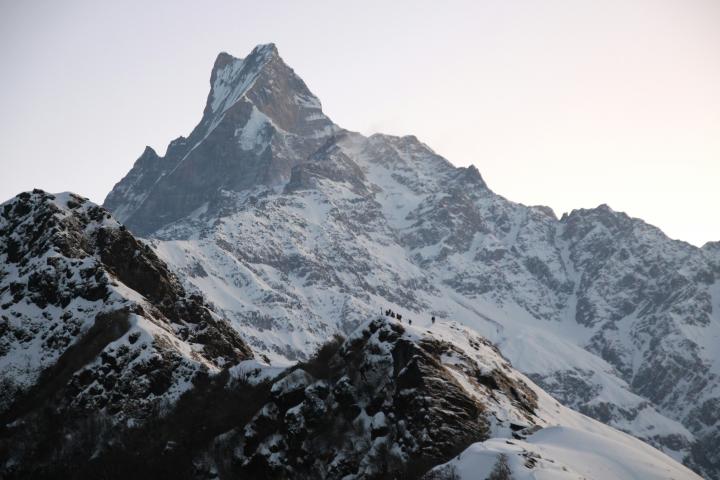
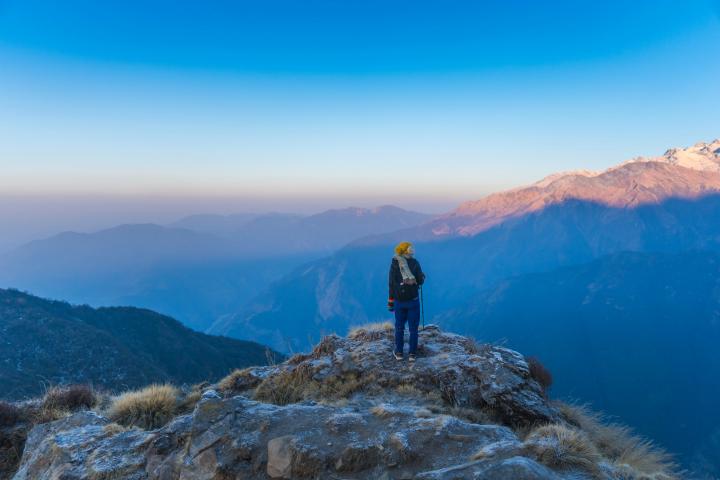
At every high pass, the landscape shifted dramatically. From icy ridges to glacial valleys, the contrast between lower forested sections and snow-covered peaks created a sense of adventure that few treks can match. The early mornings, when mountains glowed in the sunrise, became some of the most memorable moments of the journey.
Distance, Duration, and Trek Statistics
The Everest Three High Passes Trek typically spans 12 to 16 days, depending on the itinerary and acclimatization schedule. The total distance covered is around 120 kilometers round trip. Trekkers spend several hours each day on the trail, with walking times ranging from 4 to 8 hours, depending on terrain and weather.
The trek reaches a maximum altitude of 5,535 meters at Kongma La, making it one of the highest non-technical trekking routes in the world. Cho La Pass is slightly lower at 5,420 meters, and Renjo La sits at 5,360 meters, but all three require focus, stamina, and careful preparation. The combination of high passes and long trekking days makes altitude management critical for safety and enjoyment.
Tips for Coping with High Altitude
The key to a successful Everest Three High Passes Trek is respecting the mountains and listening to your body. Slow, steady walking is better than rushing to gain height. Hydration, light meals, and proper rest are essential. I also found that wearing layers and using trekking poles helped balance energy and maintain warmth during cold days on the passes.
Even small symptoms of altitude sickness, such as headaches or fatigue, should not be ignored. Trekking with a knowledgeable guide who monitors the group and provides advice for acclimatization can make a big difference. Preparation before the trek, including cardiovascular training and hiking at moderate altitudes, also improves endurance and confidence.
The Summit Views That Make Altitude Worth It
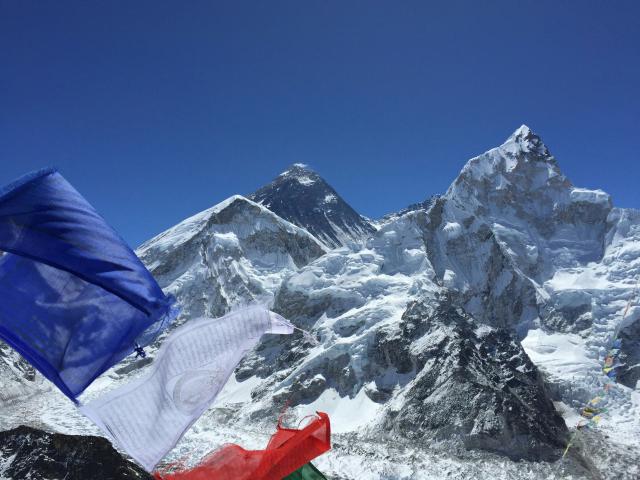
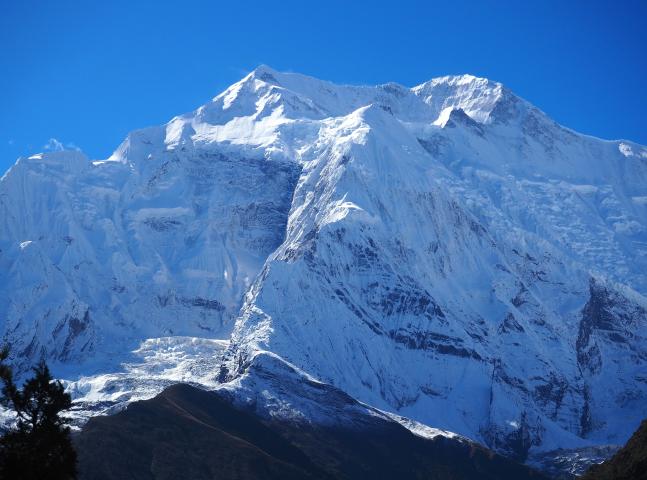
The reward for enduring high altitude comes in the form of views that stay with you forever. From Kongma La, we saw Everest, Lhotse, Makalu, and Cho Oyu framed by bright blue skies. Cho La Pass offered a stunning perspective of the Gokyo Lakes below, their turquoise waters contrasting with white peaks. Renjo La gave a panoramic view of the Everest and Ngozumpa Glacier, one of the largest glaciers in the Himalayas.
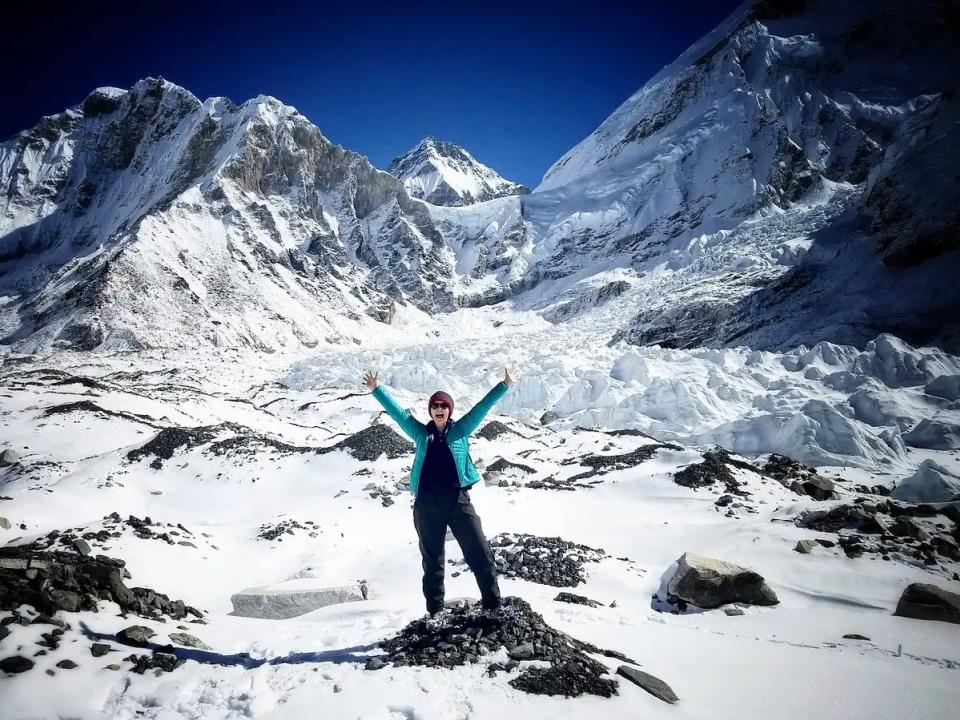
These moments remind trekkers why the altitude is a challenge worth facing. Each pass offers a unique viewpoint of the Himalayas, showing the scale, beauty, and power of the mountains. Standing on a high pass, feeling the wind and looking at the peaks, makes the effort to reach these altitudes feel small in comparison.
Cultural Encounters Along the Way
Altitude is not the only thing that shapes this trek. Walking through the Khumbu region allows travelers to experience Sherpa culture up close. Homestays and tea houses at high elevations provide warmth and a chance to meet locals who live and work in extreme conditions. Festivals, prayer rituals, and mountain traditions create a connection to the land that goes beyond scenery.
The high passes also pass near small monasteries and prayer stones. These spiritual spots are reminders of the Himalayan way of life, where nature, religion, and community are deeply intertwined. Experiencing this cultural richness adds depth to the physical challenge of the trek.
Preparing for the Everest Three High Passes Trek
Before attempting this trek, I recommend building fitness and learning basic high-altitude safety. Walking long distances at a moderate pace, climbing stairs, and carrying a loaded backpack in practice hikes helped prepare me for the daily demands. Mental preparation is equally important, as high passes can test patience and resilience.
Gear for the trek includes warm clothing, sturdy boots, trekking poles, and sleeping layers for high camps. Lightweight, layered clothing allows adjustment for cold mornings and sunny afternoons. High-quality sunglasses and sunscreen are also essential to protect against sun glare and reflection off snow.
Final Thoughts on Trekking at High Altitude
The Everest Three High Passes Trek is a journey where altitude shapes every moment. From the first steps in the low villages to the summit of Kongma La, the trek teaches patience, respect, and endurance. Each pass challenges the body, but the rewards include unforgettable views, cultural encounters, and the sense of achievement that comes with crossing some of the highest trekking passes in the world.
Altitude is not just a number on a map. It is an experience, a teacher, and a filter that shows both the beauty and challenge of the Himalayas. For those ready to face it, the Everest Three High Passes Trek offers an adventure that is as enriching as it is demanding.