The Langtang Region Trek is one of Nepal’s most rewarding short treks, offering dramatic mountain scenery, rich culture, and a sense of calm that is hard to find on busier trails. Located north of Kathmandu and close to the Tibetan border, this trek is ideal for travelers who want a true Himalayan experience without long travel days or extreme altitude challenges.
A Scenic Start Close to Kathmandu
One of the biggest advantages of the Langtang Valley Trek is its accessibility. After a drive from Kathmandu to Syabrubesi, the trail begins by following the Langtang Khola river. The path moves through dense forests of oak, pine, and bamboo, where trekkers often spot langur monkeys and colorful birds. Suspension bridges and gentle climbs keep the walk engaging without being overwhelming.
Changing Landscapes and Mountain Views
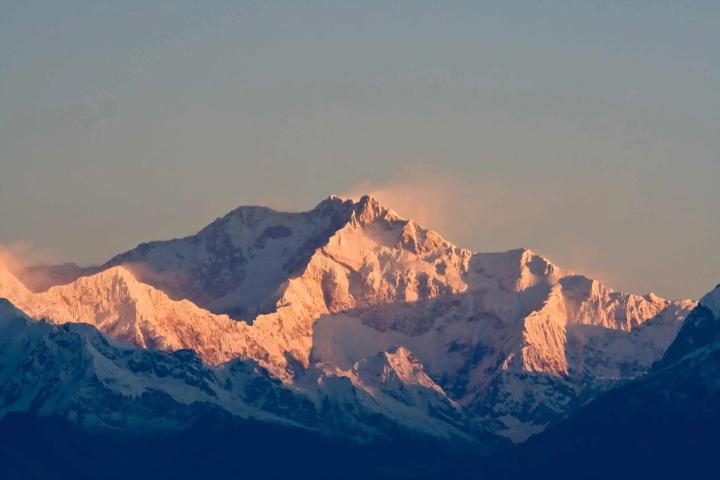
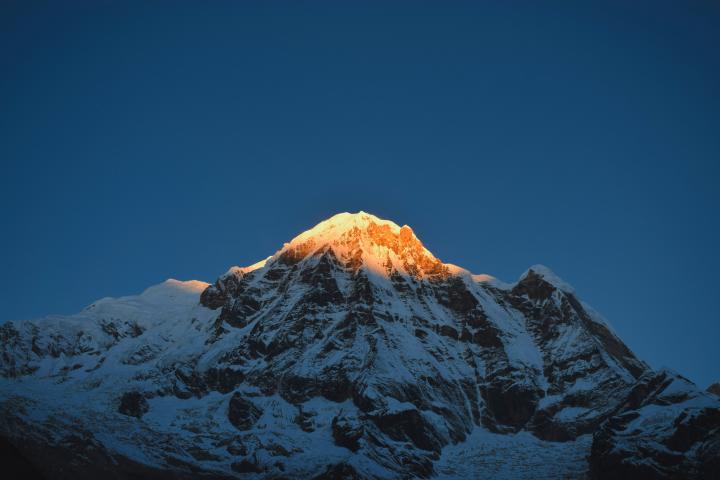
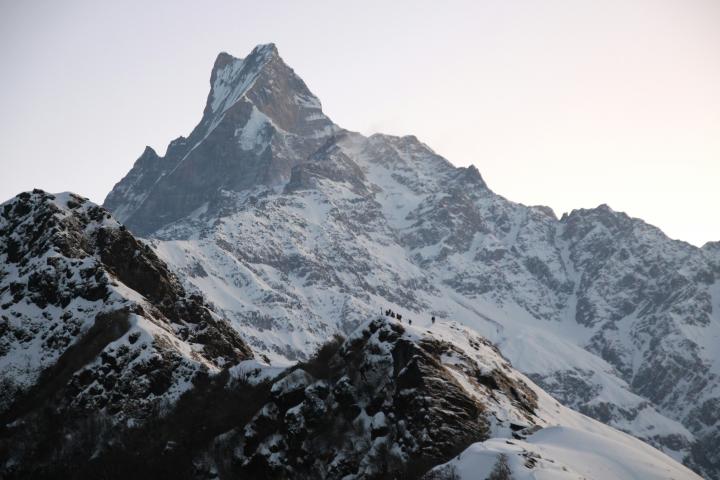
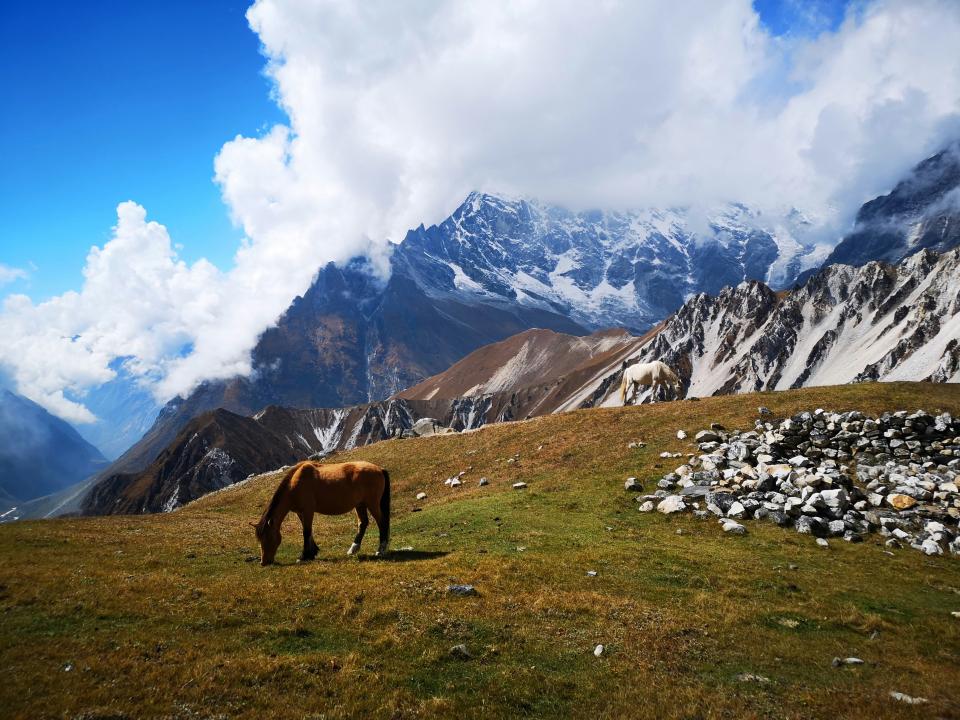
As the trail climbs higher, the scenery changes quickly. Forests give way to open valleys, grazing lands, and wide mountain views. Snow-capped peaks such as Langtang Lirung, Dorje Lakpa, and Gang Chhenpo dominate the skyline. Unlike some popular trekking routes, the Langtang Valley feels peaceful, allowing trekkers to truly connect with nature and the rhythm of the mountains.
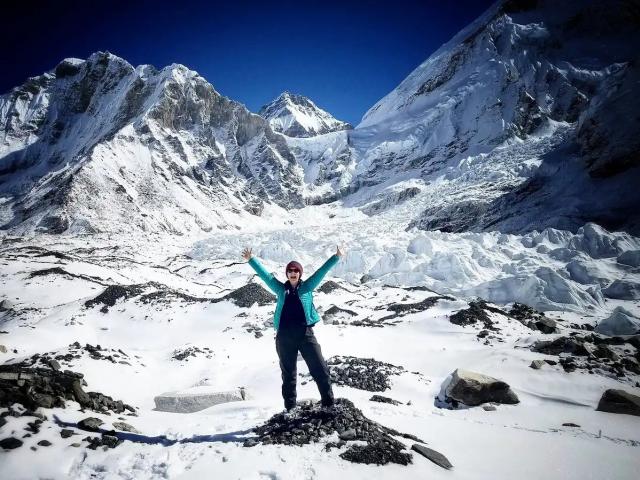
Kyanjin Gompa, usually the final destination of the trek, sits at around 3,870 meters. Surrounded by towering peaks and glaciers, this village is a highlight of the journey. From here, side hikes to Kyanjin Ri or Tserko Ri provide stunning panoramic views and help with acclimatization.
Culture and Community of the Langtang Region
The Langtang region is home to the Tamang people, whose culture reflects strong Tibetan influence. Along the trail, trekkers pass prayer flags, mani walls, and traditional stone houses. Monasteries and chortens add spiritual depth to the journey, while warm hospitality in teahouses makes the experience feel personal and welcoming.
The region has shown remarkable resilience following the 2015 earthquake. Trekking here directly supports local communities and contributes to the rebuilding and sustainable development of the valley.
Moderate Trek with Rewarding Altitude
The Langtang Valley Trek is considered moderate in difficulty. Daily walking hours are manageable, and the trail gains altitude gradually. This makes it suitable for trekkers with basic fitness and limited trekking experience. The highest overnight stay is not extreme compared to other Himalayan treks, yet the views rival those found on much longer routes.
Proper acclimatization, steady pacing, and hydration are key to enjoying the trek comfortably. The well-marked trail and availability of teahouses make logistics simple and stress-free.
Best Time to Trek Langtang Valley
The best seasons for the Langtang Valley Trek are spring and autumn. Spring brings blooming rhododendrons and clear mornings, while autumn offers stable weather and sharp mountain views. Winter trekking is possible for those prepared for cold temperatures, while the monsoon season brings lush landscapes but limited visibility.
Why Choose Langtang Valley Trek
The Langtang Valley Trek stands out for its balance of nature, culture, and accessibility. It delivers close-up Himalayan scenery, meaningful cultural encounters, and a quieter trail experience. For trekkers seeking an authentic journey without crowds or long commitments, Langtang Valley is a destination that leaves a lasting impression.
This trek proves that some of Nepal’s most memorable adventures are found not in the busiest regions, but in valleys where mountains, people, and traditions still move at a gentle, timeless pace.