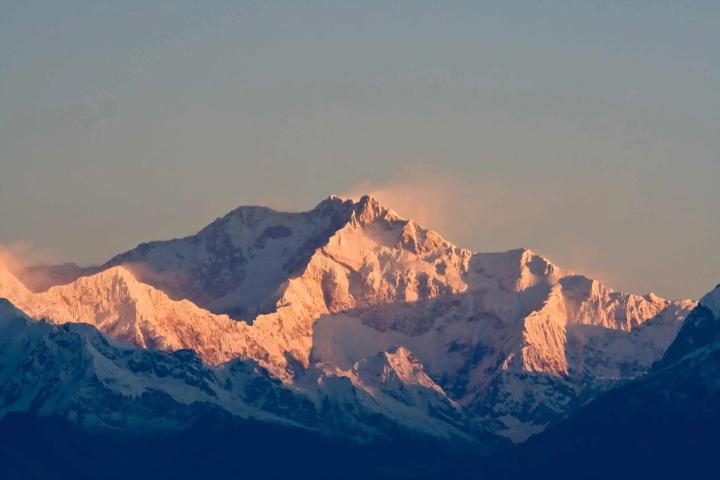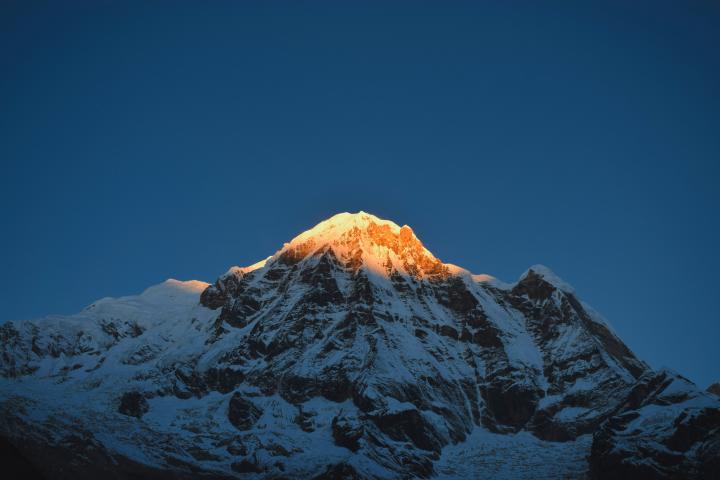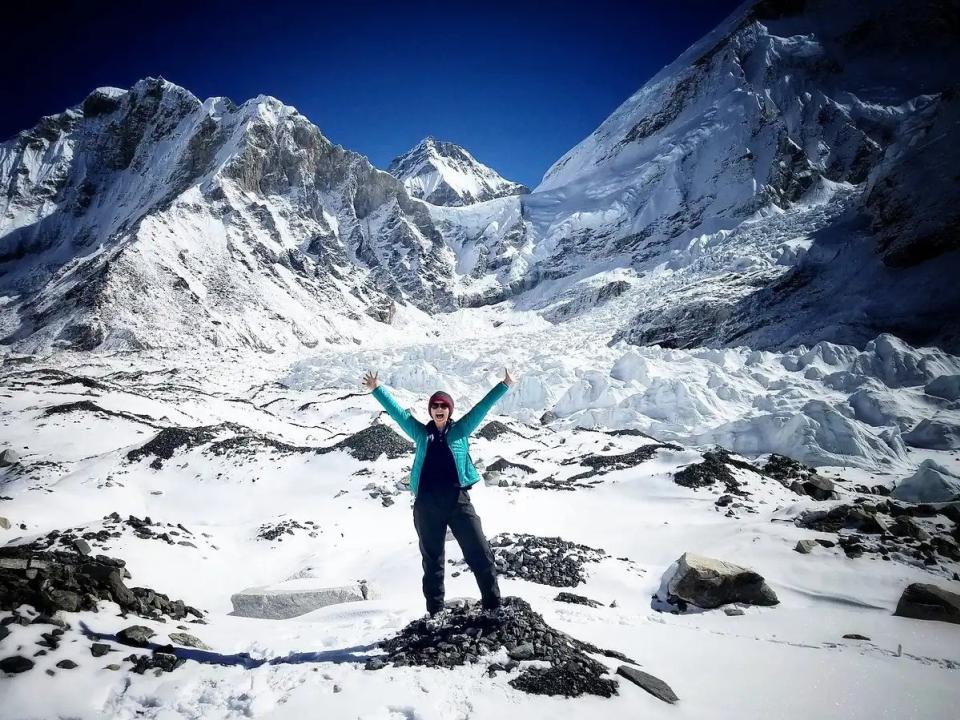
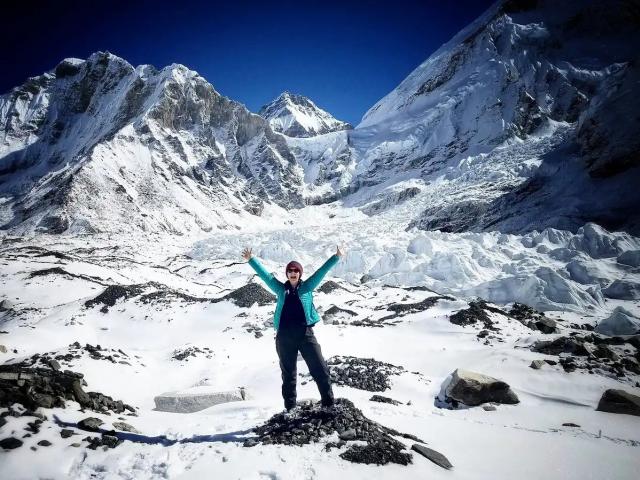
The crisp mountain air bites at your cheeks as you stand at the edge of the Khumbu glacier. Your legs feel heavy and your breath is short, but the view of the world’s highest peaks keeps you moving forward. Every step on the Everest Three High Passes Trek is a challenge that requires more than just strong muscles. It requires the right fuel to keep your body warm and energized in the thin air. When you are trekking through the heart of the Himalayas, your stomach is just as important as your hiking boots.
I have seen many hikers struggle because they did not eat the right way. High altitude changes how your body works. You burn calories faster but your appetite often disappears. Learning what to eat and when to eat it can be the difference between reaching the summit of a pass or heading back down early.
Understanding the Journey by the Numbers
Before we talk about the menu, it is helpful to look at the scale of this adventure. This trek is much longer and harder than the standard walk to Base Camp. On average, the journey covers a total distance of about 166 kilometers (103 miles). Most trekkers spend between 20 days on the trail to allow their bodies to adjust to the height. The maximum elevation reaches a staggering 5,535 meters (18,159 feet) at the top of the Kongma La Pass. At this height, there is only about half the oxygen available at sea level, which makes digestion a slow and difficult process for your body.
The Power of the Golden Staple
In Nepal, there is a famous saying: "Dal Bhat Power, 24 Hour." This is not just a catchy phrase for tourists. Dal Bhat is a platter of steamed rice, lentil soup, and vegetable curry. It is the perfect meal for a long day on the trail because it is full of slow-burning carbohydrates and healthy proteins.
One of the best things about ordering Dal Bhat in a teahouse is that you get free refills. If you are still hungry after your first plate, the host will bring you more rice and lentils until you are full. This is the most reliable way to get the thousands of calories you need to cross high passes like Cho La and Renjo La.
Why You Should Think Twice About Meat
It is very tempting to order a yak steak or chicken curry when you see it on a menu. However, you should be careful with meat once you go above the town of Namche Bazaar. The local people are Buddhist and do not slaughter animals in the upper Khumbu region. This means all the meat you see has been carried up from lower elevations on the backs of porters or yaks.
Since there is no refrigeration along the trail, the meat can stay in the sun for days before it reaches your plate. To avoid a stomach ache or food poisoning, it is much safer to stick to vegetarian meals. Eggs, cheese, and lentils provide plenty of protein without the risk of getting sick far away from a hospital.
Essential High Altitude Snacks
Between your big meals, you need to keep your energy levels steady. Your body uses a lot of fuel just to stay warm in the freezing temperatures. I always recommend carrying a "summit bag" filled with small, calorie-dense treats.
Nuts, dried fruits, and dark chocolate are great choices because they do not freeze into solid bricks. Energy gels and bars are also helpful for the steep climbs up the passes. Salty snacks like crackers or roasted soybeans are important too. They help replace the salts you lose through sweat and encourage you to drink more water.
Drinking Your Way to the Top
Hydration is the most important part of eating at high altitude. You should aim to drink at least four liters of fluid every single day. This helps your blood stay thin so it can carry oxygen more easily to your brain and muscles.
Plain water can get boring, so many trekkers enjoy local hot drinks. Garlic soup is a famous "mountain medicine" that many believe helps with acclimatization. Ginger tea is excellent for settling a nervous stomach or treating nausea. Avoid alcohol and too much caffeine, as these can dehydrate you and make altitude sickness symptoms feel much worse.
Listening to Your Body
The most important tip I can give you is to eat even when you do not feel like it. It is very common to lose your interest in food once you go above 4,000 meters. If a big plate of rice looks like too much, try a bowl of Sherpa Stew or some noodle soup. These are easier to swallow and help keep you hydrated at the same time.
Trekking through the three high passes is a test of your spirit and your strength. By choosing the right foods and staying hydrated, you give yourself the best chance to stand on top of those passes and look out at the roof of the world. Eat well, walk slowly, and enjoy every bite of your Himalayan journey.