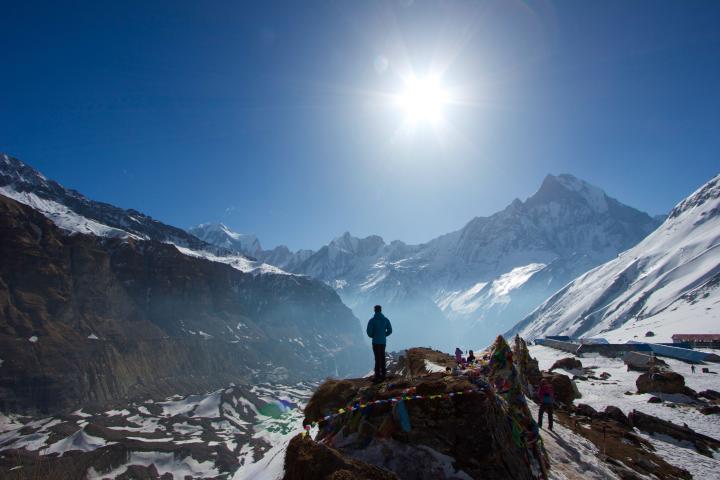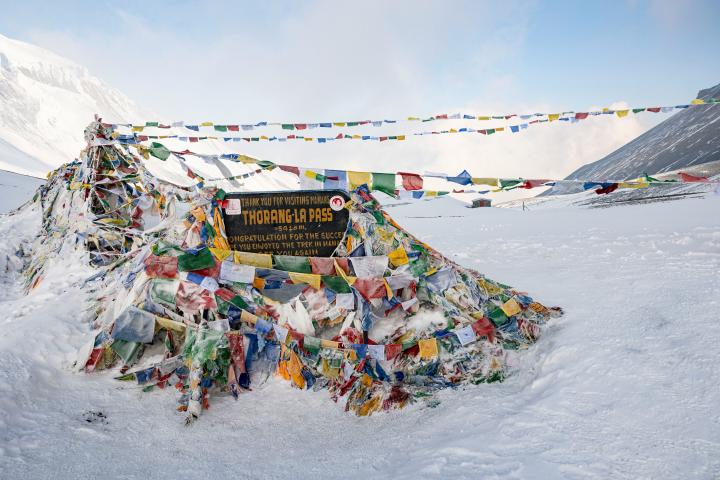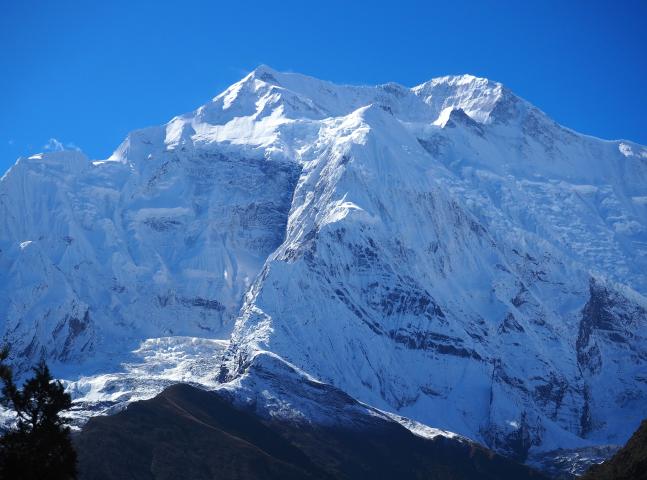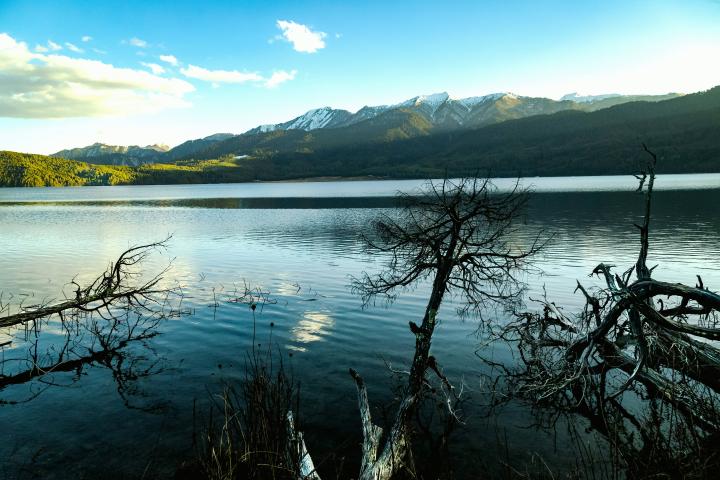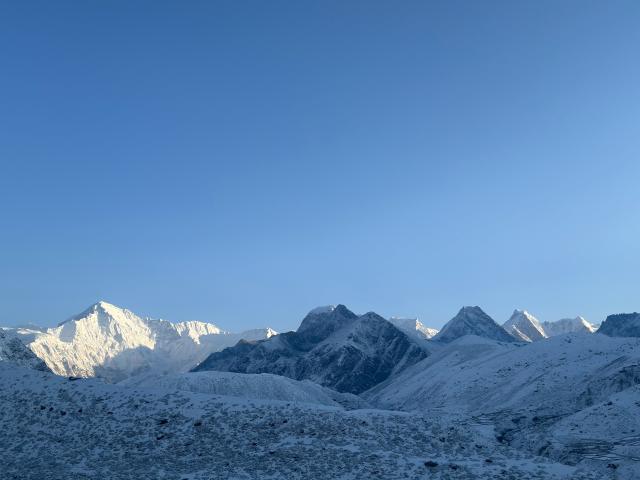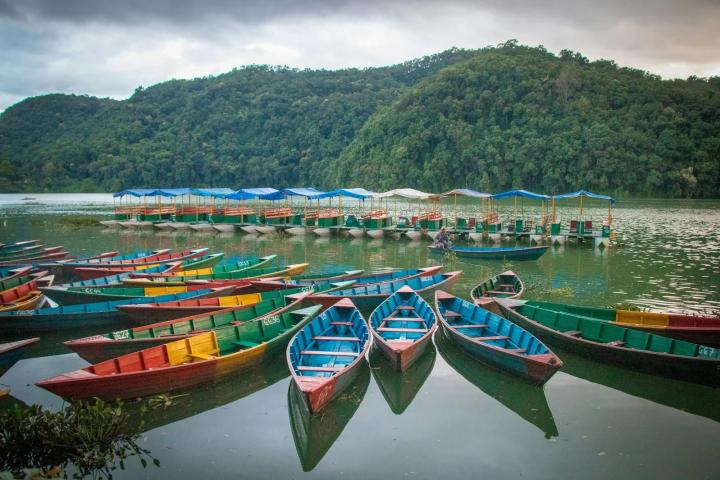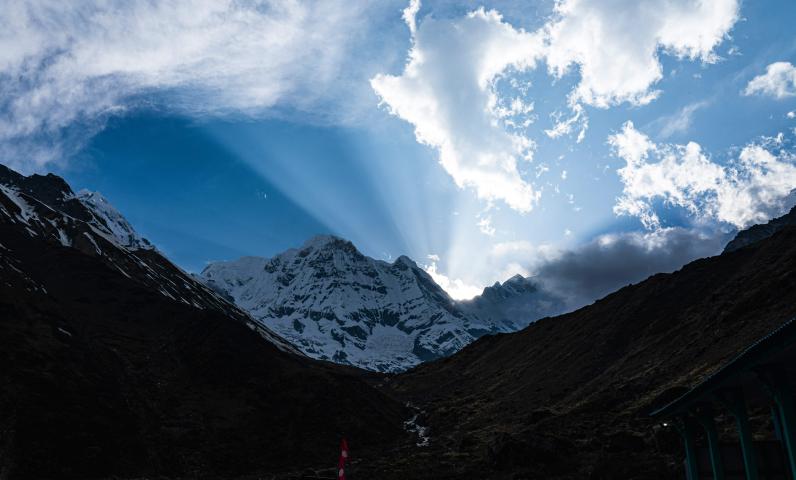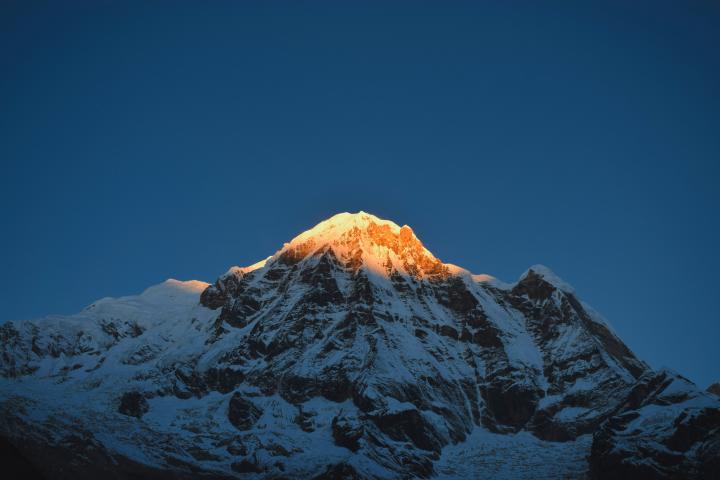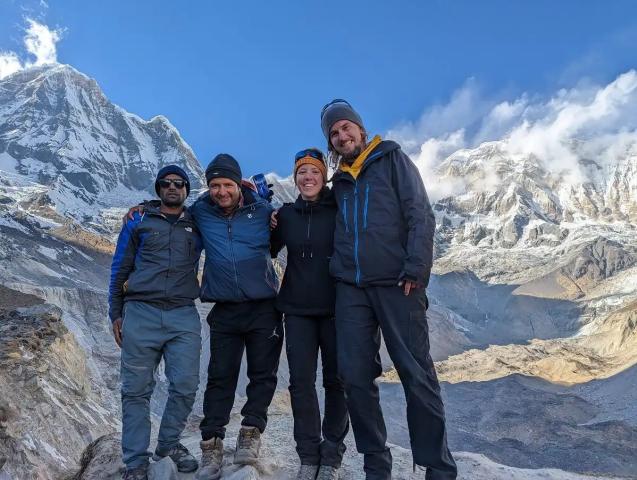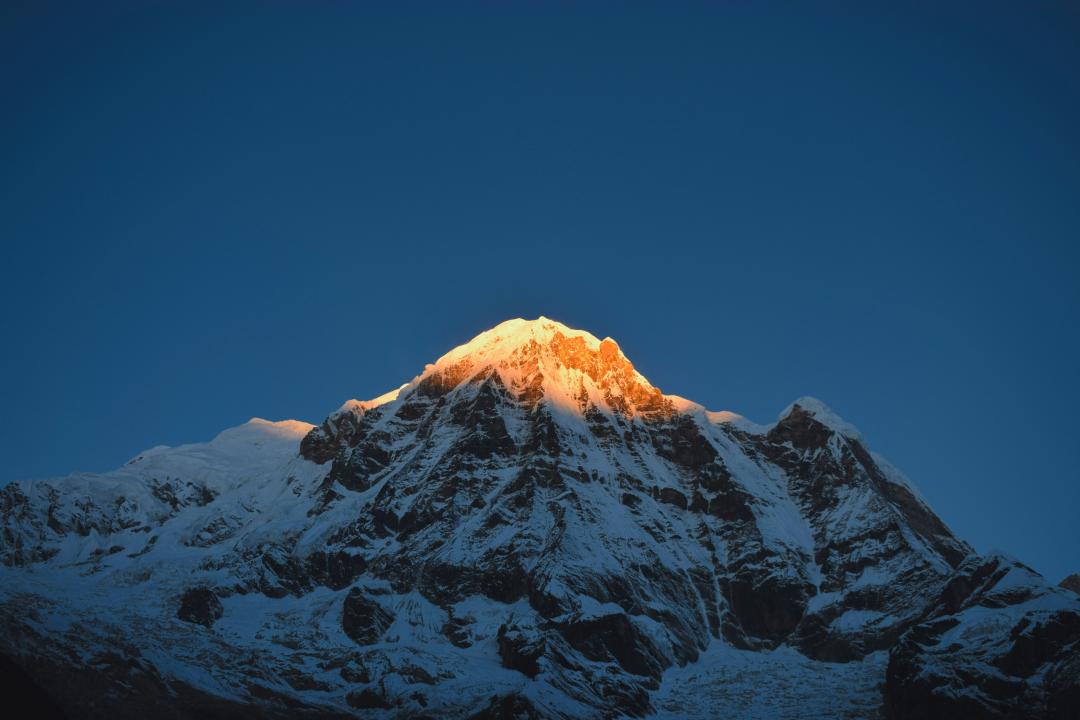
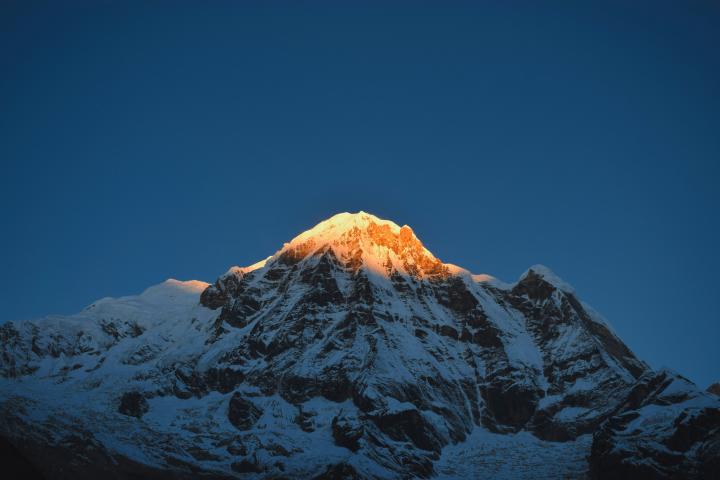
Imagine standing in a giant circle of white peaks that touch the sky. The air is cold and fresh. All you hear is the sound of prayer flags snapping in the wind and your own breath. You are in the heart of the Annapurna Sanctuary. This place feels like a hidden world where nature is the only boss. It is a journey that many people dream about.
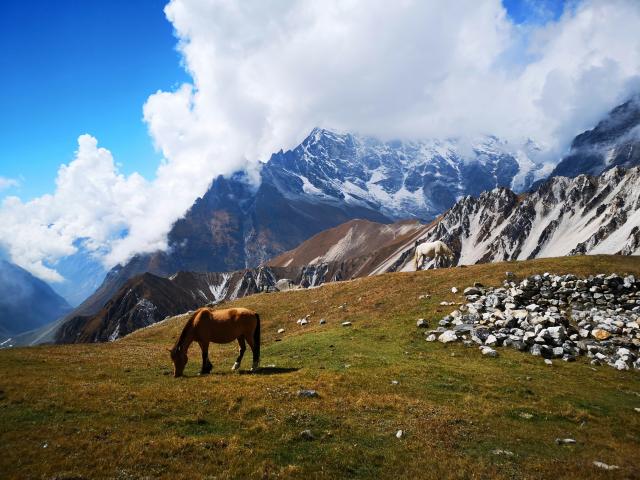
The ABC Trek is a wonderful way to see the big mountains of Nepal without needing to be a professional climber. You walk through deep green forests and small stone villages. Every turn on the path shows you something new. Before you lace up your boots and head to the Himalayas, there are a few important things you should know to make your trip safe and fun.
Important Facts About the Journey
Knowing the numbers helps you get ready for the walk. This trek is famous because it reaches high places in a short amount of time. Most people take about 8 days to complete the trip from start to finish. You will walk about 65 to 70 kilometers in total. The highest point you will reach is the base camp itself, which sits at 4,130 meters above the sea. This is very high, so you must walk slowly to let your body adjust to the thin air.
Choosing the Best Time to Go
The mountains look different in every season. Most trekkers choose to go in the spring or the autumn. Spring happens from March to May. This is when the rhododendron trees bloom with bright red and pink flowers. The weather is getting warmer, and the birds are very active.
Autumn is the other popular time, running from September to November. This season has the clearest skies. After the summer rains, the dust is gone, and the mountain views are sharp and blue. Winter is very cold and has lots of snow, while summer brings rain and clouds that hide the peaks. Picking the right month will change how much you see and how comfortable you feel.
What to Pack in Your Bag
You must pack smart because you or a porter will have to carry everything up the hills. The most important thing is your shoes. You need strong hiking boots that protect your ankles and keep out the water. Make sure you wear them at home before the trip so they do not give you blisters on the trail.
Layering your clothes is the best trick for mountain weather. You will start in warm valleys wearing a t-shirt. As you climb higher, it gets much colder. You will need a warm fleece and a thick down jacket for the nights. Do not forget a good hat, gloves, and sunglasses. The sun is very strong at high altitudes, so sunblock is a must. A headlamp is also helpful for walking to the bathroom at night or seeing the sunrise.
Life on the Mountain Trail
During the trek, you will stay in small lodges called teahouses. These are simple places run by local families. The rooms are usually small with two twin beds. You should bring a warm sleeping bag because the blankets at the lodges might not be enough when it freezes outside.
The food in the teahouses is fresh and filling. The most popular meal is Dal Bhat. This is a big plate of rice, lentil soup, and vegetable curry. It gives you lots of energy for walking. You can also find pasta, pancakes, and eggs. Drinking plenty of water is very important to stay healthy at high altitudes. Always use a water filter or purification tablets to make sure your water is safe to drink.
The People and the Culture
One of the best parts of the walk is meeting the people who live in the mountains. You will pass through villages where the Gurung and Magar people live. They are very kind and welcoming. You will see how they live in stone houses and farm on steep hillsides.
Respect is very important in the mountains. Always walk to the left of Mani walls or prayer wheels. These are sacred objects for the local people. Asking for permission before taking photos of people is a polite thing to do. Learning a few words of Nepali, like "Namaste" for hello, will bring big smiles to the faces of the locals you meet.
Staying Safe and Healthy
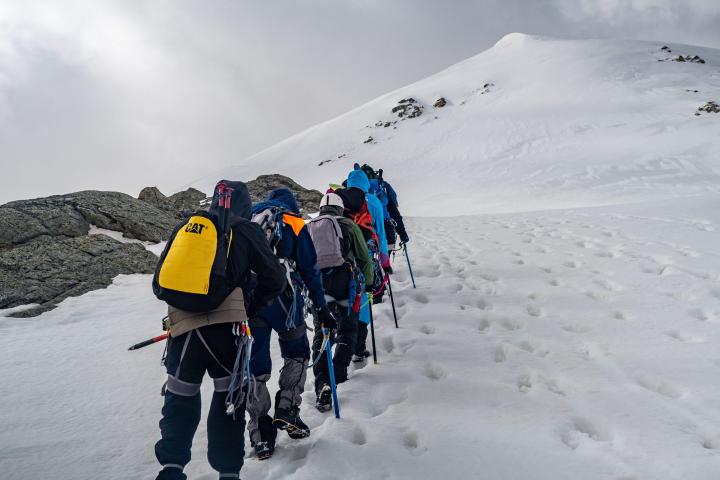
The mountain path is mostly stone steps and dirt trails. It is not like climbing a vertical wall, but it can be tiring for your legs. You do not need to be an athlete, but being fit will help you enjoy the views more. Walking for an hour or two every day before your trip is good practice.
Altitude sickness is something to watch out for. If you get a bad headache or feel dizzy, tell your guide or friends right away. The best way to avoid this is to drink lots of water and never rush. Take plenty of breaks to look at the view and catch your breath. There is no prize for being the fastest person to reach the camp.
The Reward at the End
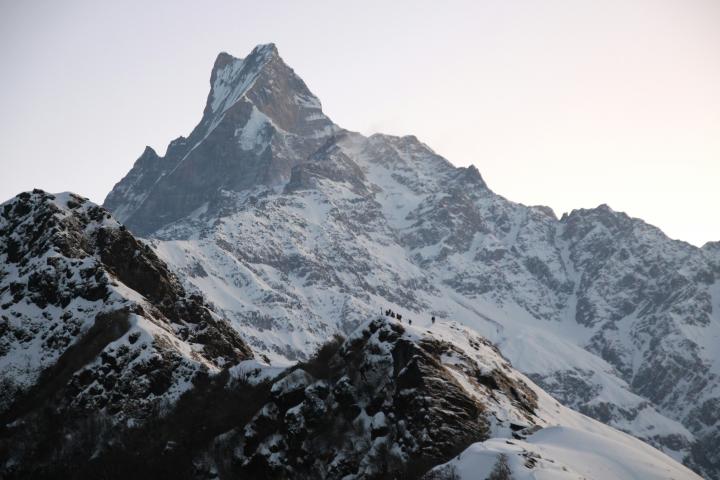
When you finally reach the base camp, you are surrounded by giant mountains like Annapurna South and the holy Fishtail mountain. The feeling of standing there is hard to describe. You have worked hard to get there, and the mountains seem to welcome you.
The walk back down is often easier and gives you a chance to visit places like the natural hot springs in Jhinu Danda. Soaking your tired muscles in warm water is a great way to celebrate your journey. You will return home with many stories and photos of a place that feels like nowhere else on Earth.