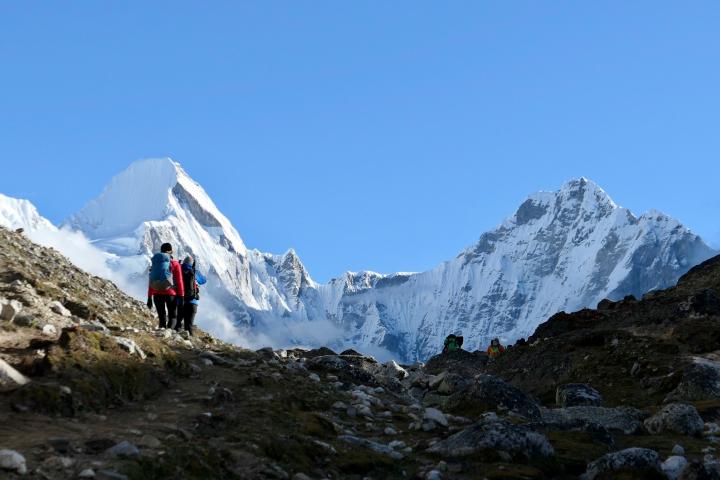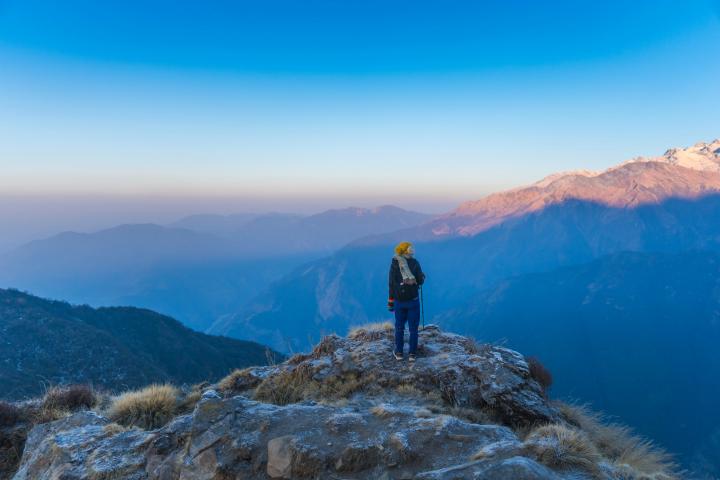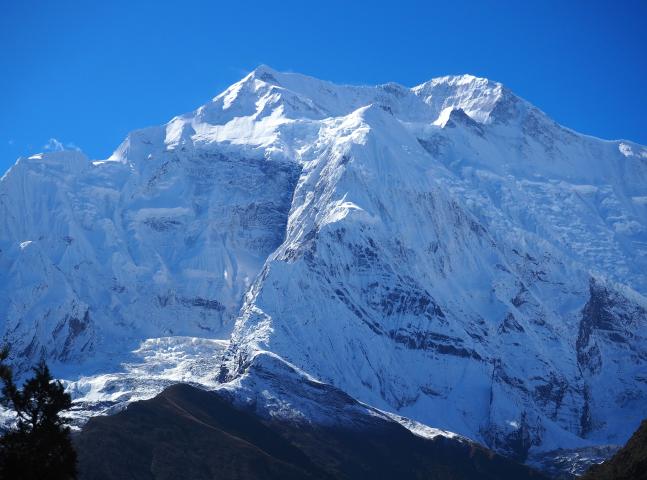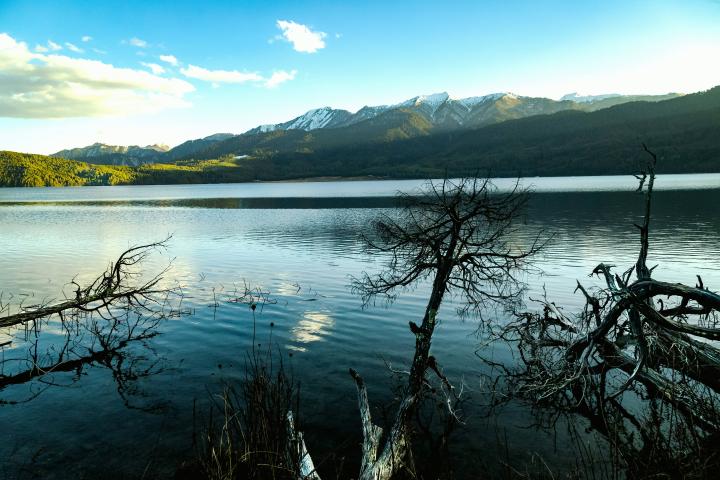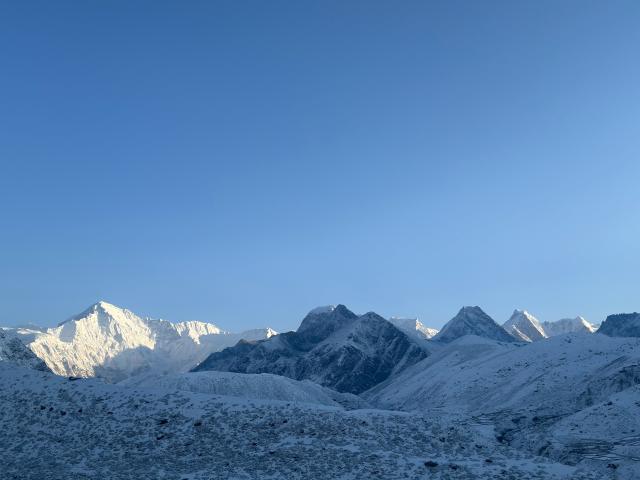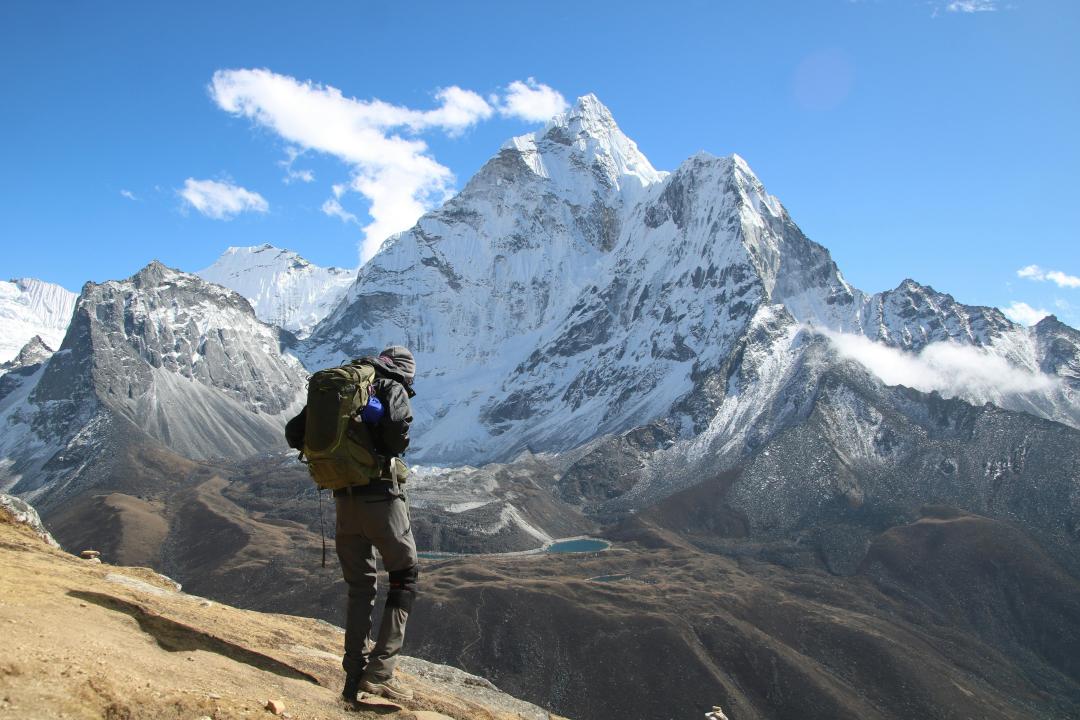
The everest three high pass trek is not an easy walk. It is a powerful journey through cold air, high mountains, and deep valleys in the Everest region. From the very first step, the landscape feels wild and grand. Snow peaks rise high, rivers rush below, and silence fills the air. This adventure is made even smoother and safer with support from Adventure White Himalaya, known for expert guides, safe planning, and full trekking support in the Himalayas.
A Journey Through the Everest Region
The trek starts in Lukla, a small mountain town with a famous airport. From there, the trail moves through beautiful places like Namche Bazaar, Thame, Gokyo, and Everest Base Camp area. Each place shows a different side of the Himalayas.
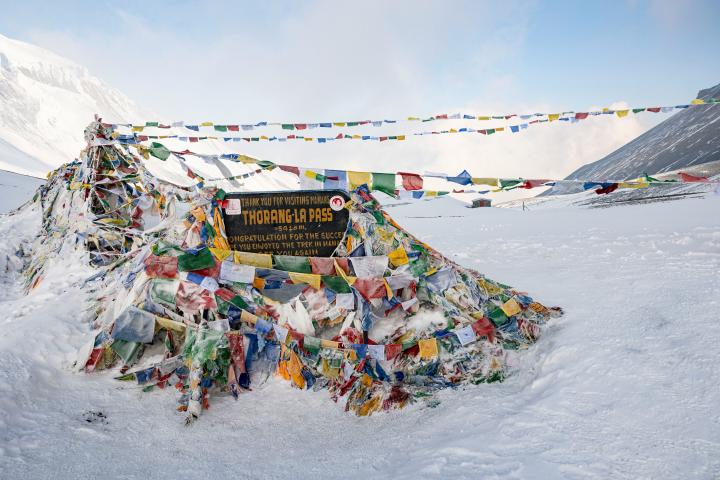
Three major high passes make this trek special: Renjo La (5,360 m), Cho La (5,420 m), and Kongma La (5,535 m). These passes are high, cold, and often covered in snow. They connect valleys and create a big circular route around the Everest region.
Trek Statistics and Facts
The Everest Three High Pass Trek usually takes 18 to 21 days to complete. The total trekking distance is around 160 to 170 kilometers, depending on the route. The maximum elevation reaches 5,545 meters at Kongma La Pass, making it one of the highest trekking routes in Nepal. Proper acclimatization days are included to help the body adjust safely to high altitude conditions.
The Challenge of High Passes
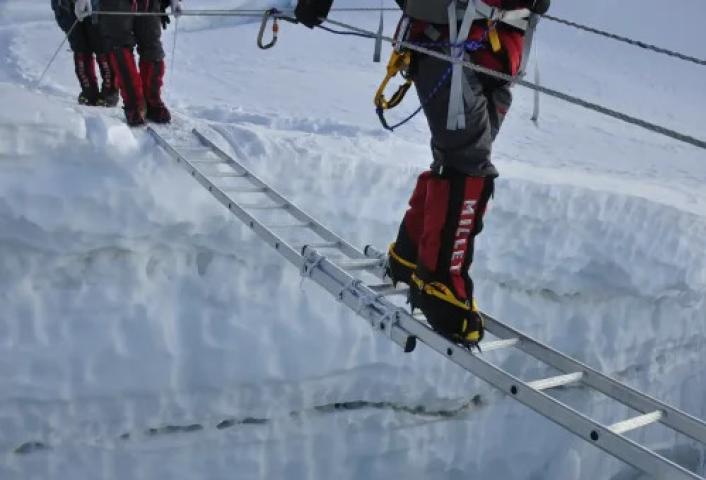
Each of the three passes offers a different challenge. Renjo La is known for wide views of Gokyo Lakes and Everest. Cho La is icy and steep, often requiring careful steps across frozen paths. Kongma La is the toughest, with long climbs and rocky terrain.
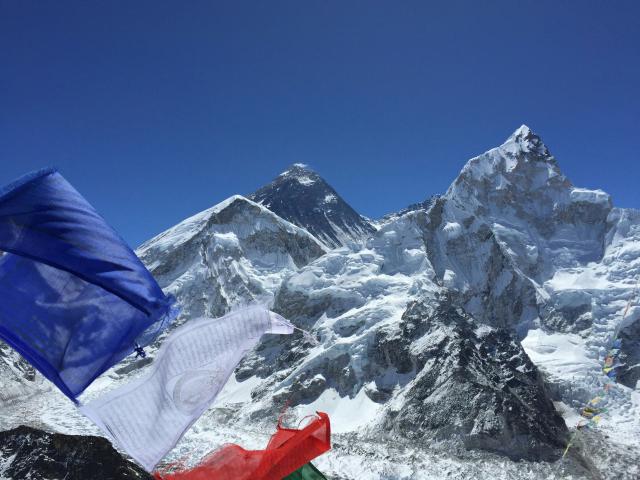
Weather changes quickly at this height. Strong wind, snow, and thin air make walking harder. Every step requires focus and slow movement. But the reward is always worth it — wide views of Everest, Lhotse, Makalu, and many other peaks.
Life on the Trail
The trail passes through Sherpa villages, prayer flag-covered hills, and quiet mountain valleys. Yaks carry loads along stone paths. Monasteries sit peacefully on hillsides.
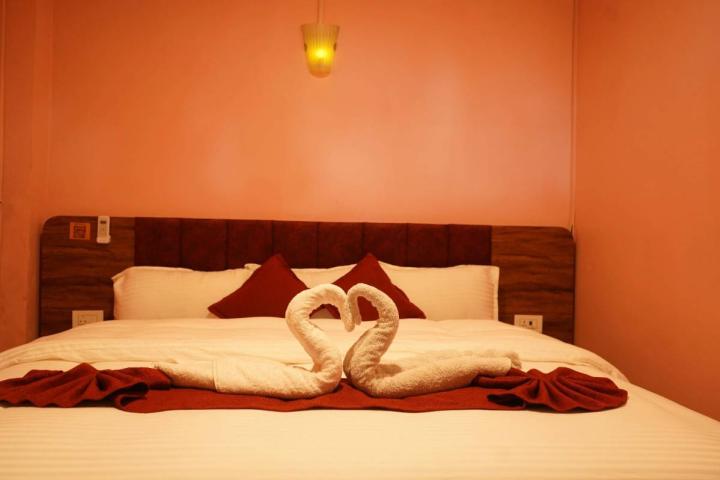
Teahouses along the way offer warm food, tea, and rest. Even in remote areas, small comforts make the journey easier. Nights are cold, but the sky is full of stars, shining bright above the mountains.
Gokyo Lakes and Everest Base Camp Region
One of the highlights of this trek is Gokyo Valley. The blue lakes here look peaceful and deep. Climbing Gokyo Ri gives a wide view of Everest and surrounding peaks.
The Everest Base Camp area is another major highlight. Standing near the base of the world’s highest mountain gives a strong sense of achievement and respect for nature.
Preparing for the High Altitude Journey
High altitude is the biggest challenge of this trek. The air becomes thin above 4,000 meters. Proper walking pace, rest days, and hydration are very important.
Guides play a key role in safety. With proper support, trekkers can adjust better and enjoy the journey without stress. The right planning makes a big difference in such a demanding trek.
Support From Adventure White Himalaya
Throughout the journey, Adventure White Himalaya provides full assistance. This includes permits, experienced guides, accommodation arrangements, and safe trekking plans. Their team understands the challenges of high-altitude trekking and ensures smooth logistics from start to finish.
Their guidance helps make the journey safer and more enjoyable, especially on difficult sections like the three high passes. Every detail is handled carefully so the focus stays on the mountains and the experience.
A Trek to Remember
The Everest Three High Pass Trek is not just about reaching high places. It is about testing limits, seeing powerful landscapes, and experiencing life in the high Himalayas. Each pass brings a new view, a new challenge, and a new memory.
With the support of Adventure White Himalaya, this journey becomes more organized, safer, and more meaningful. It remains one of the most complete and extreme trekking experiences in Nepal, perfect for those seeking real adventure in the Everest region.