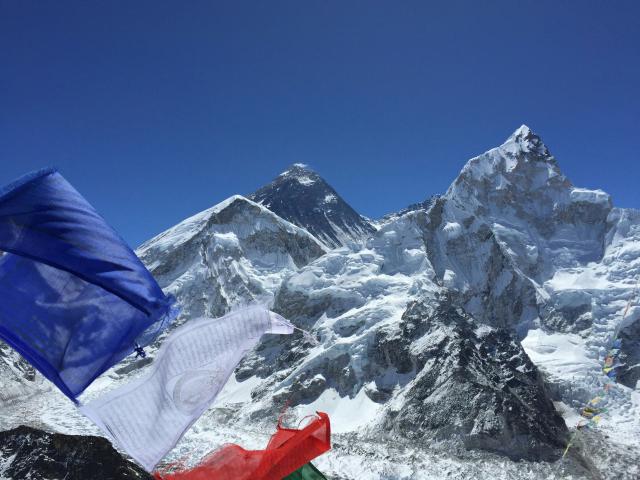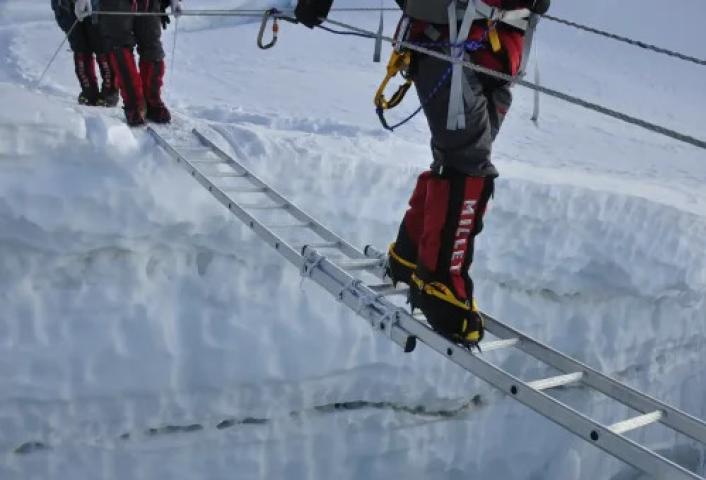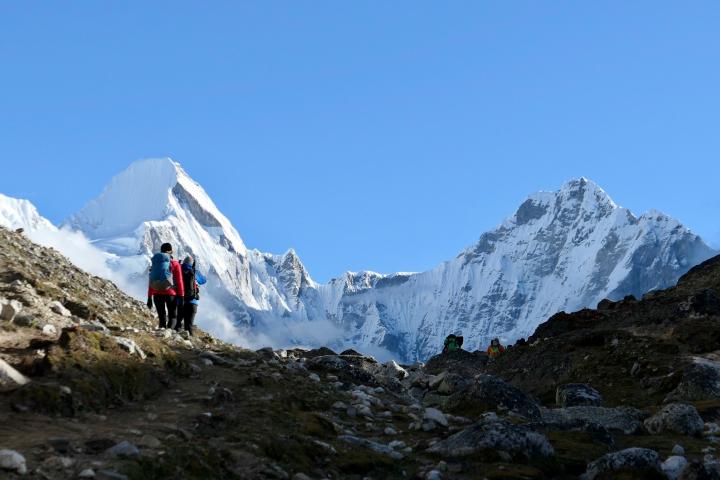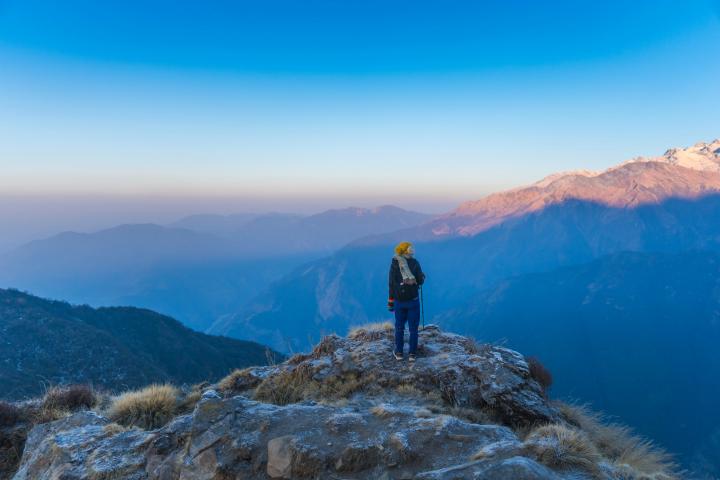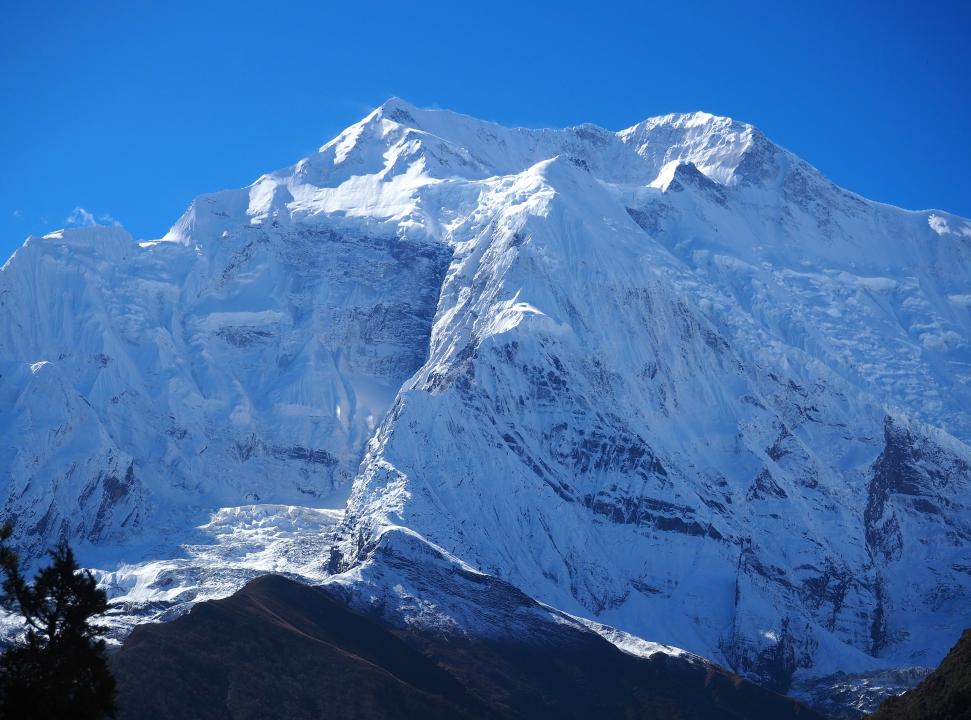
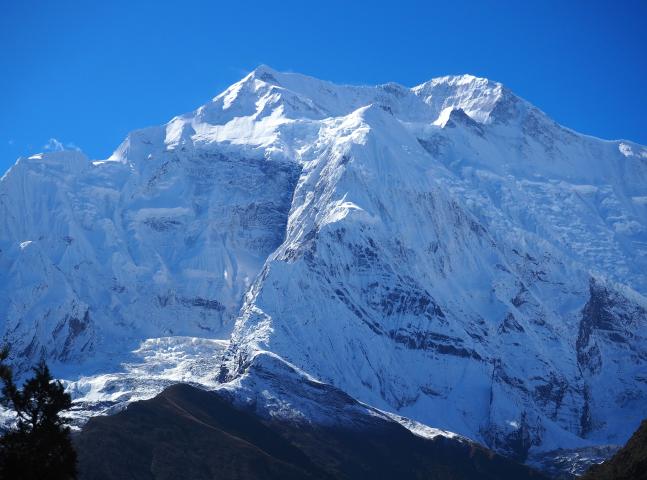
The sky can change your whole journey in minutes. One moment it is calm. The next, strong winds start to roar across the mountains. This is the reality of Pisang Peak climbing in Nepal. Weather is not just a background detail here, it is a major factor that decides safety, comfort, and success. With support from Nepal Social Treks, climbers can better understand these conditions and prepare for a safer Himalayan adventure.
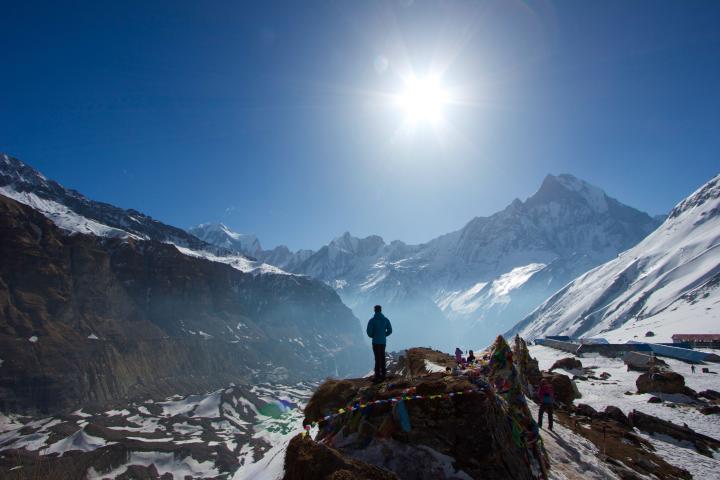
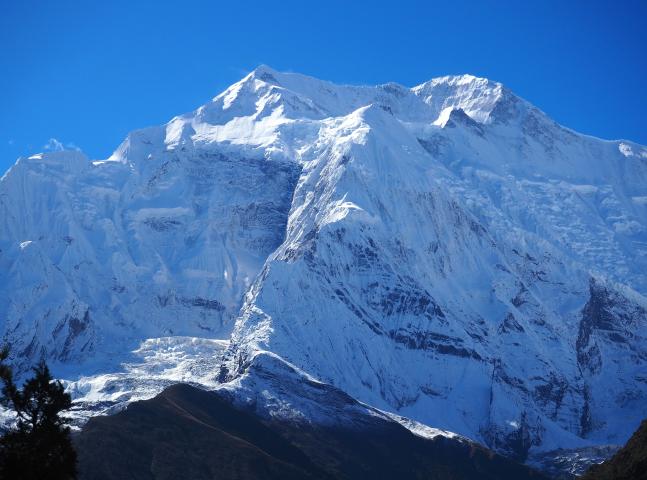
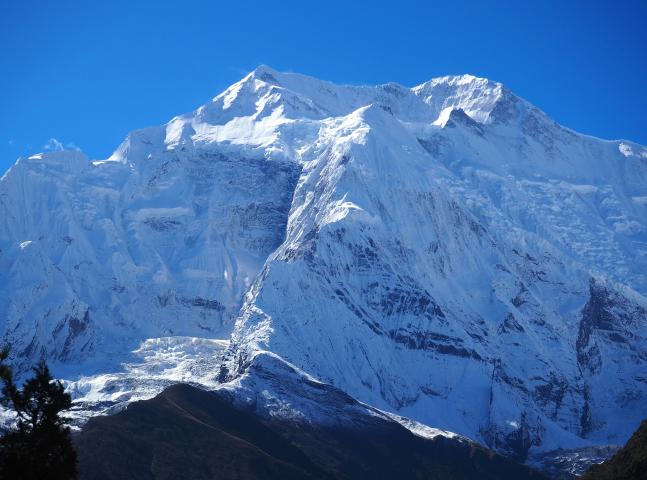
Pisang Peak stands in the Annapurna region and is known for its stunning views and moderate climbing challenge. But even strong climbers respect one thing more than the mountain itself: the weather. Snow, wind, cold, and visibility all play a big role in shaping the climb.
Why Weather Matters So Much on Pisang Peak
Pisang Peak rises high above the surrounding valleys. At this altitude, weather changes quickly and without warning. A clear morning can turn into a snowy afternoon. Strong winds can appear suddenly near the summit.
Unlike city weather, mountain weather is unpredictable. There are no fixed patterns you can fully trust. This is why climbers must always stay prepared.
Weather affects three main things: safety, visibility, and energy levels. When conditions are good, climbing feels smooth and enjoyable. When conditions are bad, even simple steps become difficult.
Useful Climbing Statistics
Here are some important facts about Pisang Peak climbing:
- Average climbing duration: 14 to 18 days
- Total trekking distance: Around 80 to 100 kilometers (round trip)
- Maximum elevation: 6,091 meters above sea level
- Summit day duration: 6 to 10 hours round trip
- Difficulty level: Moderate trekking peak with alpine climbing
- Best seasons: Spring (March–May) and Autumn (September–November)
These numbers show that Pisang Peak is not only about climbing skill but also about dealing with long exposure to mountain weather.
Spring Weather Conditions (M arch to May)
Spring is one of the best times to climb Pisang Peak. The weather is usually more stable compared to winter. Days are warmer, and skies are often clear.
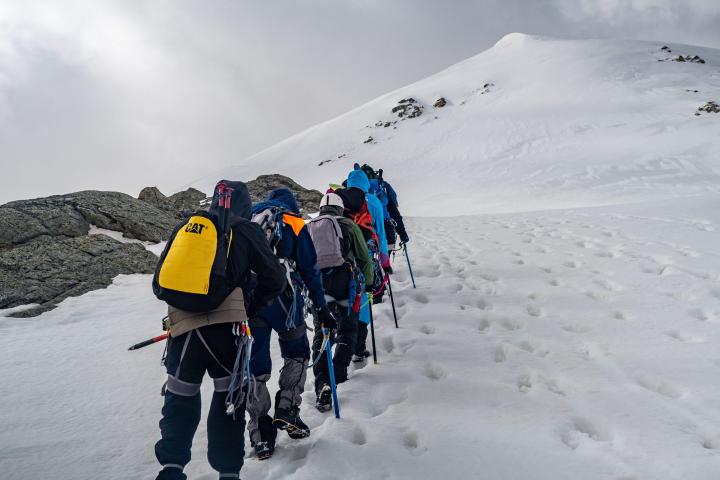
However, snow is still present at higher elevations. This makes the climb both beautiful and challenging. Fresh snow can make the route slippery, but it also creates stunning views of white peaks all around.
Winds are usually moderate in spring, but conditions can still change quickly near the summit.
Autumn Weather Conditions (September to November)
Autumn is another popular season for Pisang Peak climbing. After the monsoon rains, the air becomes clean and clear. This is the best time for mountain visibility.
The weather is generally dry and stable. Temperatures are cooler, especially at night, but climbing conditions are often excellent.
This season is preferred by many climbers because it offers a balance of safety, clear views, and stable weather patterns.
Winter Weather Challenges (December to February)
Winter brings extreme cold and heavy snow. Pisang Peak becomes much more difficult during this time.
Temperatures can drop far below freezing, especially at higher camps. Strong winds are also common, making summit attempts risky.
Snow can block routes and increase avalanche danger. Only experienced climbers usually attempt Pisang Peak in winter.
Monsoon Season Risks (June to August)
The monsoon season is the least favorable time for Pisang Peak climbing. Heavy rainfall makes lower trails slippery and dangerous.
Clouds and fog reduce visibility, hiding mountain views. Landslides can also occur in some areas of the trekking route.
Because of these conditions, most climbers avoid Pisang Peak during monsoon months.
How Weather Affects the Summit Push
The most important part of Pisang Peak climbing is the summit day. This is where weather plays its biggest role.
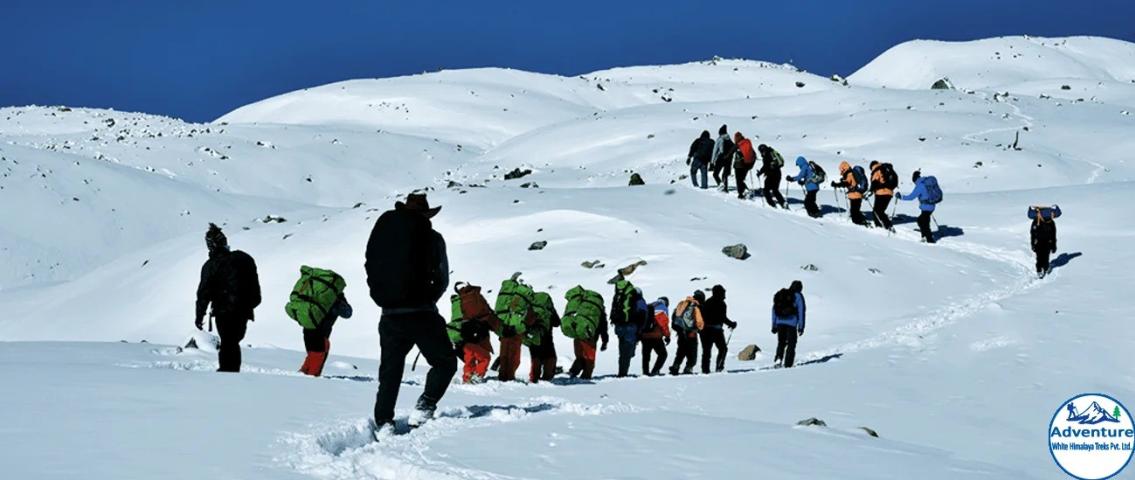
Strong winds near the summit ridge can slow progress or force climbers to turn back. Cold temperatures can affect breathing and energy levels. Whiteout conditions can reduce visibility to almost zero.
Even a small change in weather can decide whether a team reaches the summit or not. This is why timing and patience are very important.
How Nepal Social Treks Helps Climbers Handle Weather
Nepal Social Treks plays an important role in guiding climbers through changing weather conditions on Pisang Peak. Their experienced guides monitor weather forecasts closely and make smart decisions about timing and route safety.
They help climbers adjust schedules when needed, ensuring better acclimatization and safer summit attempts. Their team also provides proper gear guidance, including warm clothing, boots, and climbing equipment suitable for high-altitude weather.
In addition, they arrange logistics like permits, accommodation, transport, and camping support. This allows climbers to focus fully on safety and performance instead of worrying about planning details.
Their local knowledge is especially valuable when weather becomes unpredictable in the Himalayas.
Tips for Dealing with Pisang Peak Weather
Climbers should always be ready for sudden changes. Dressing in layers helps adjust to temperature shifts. Carrying waterproof and windproof clothing is important.
Staying hydrated and well-rested also helps the body handle cold conditions better. Listening to guides is very important because they understand mountain weather patterns better than anyone else.
Flexibility is key. Sometimes waiting one extra day can make the difference between a safe summit and a risky climb.
Final Thoughts on Weather and Pisang Peak
Weather is one of the most powerful forces in the Himalayas. On Pisang Peak, it shapes every part of the journey, from the lower trails to the final summit ridge. It can create beauty, challenge, and danger all at the same time.
Climbing this peak is not just about strength. It is about timing, patience, and respect for nature.
With the guidance of Nepal Social Treks, climbers receive expert support, weather awareness, and safe planning throughout the journey. In the end, understanding weather is the key to enjoying Pisang Peak and turning a tough climb into a successful Himalayan adventure.