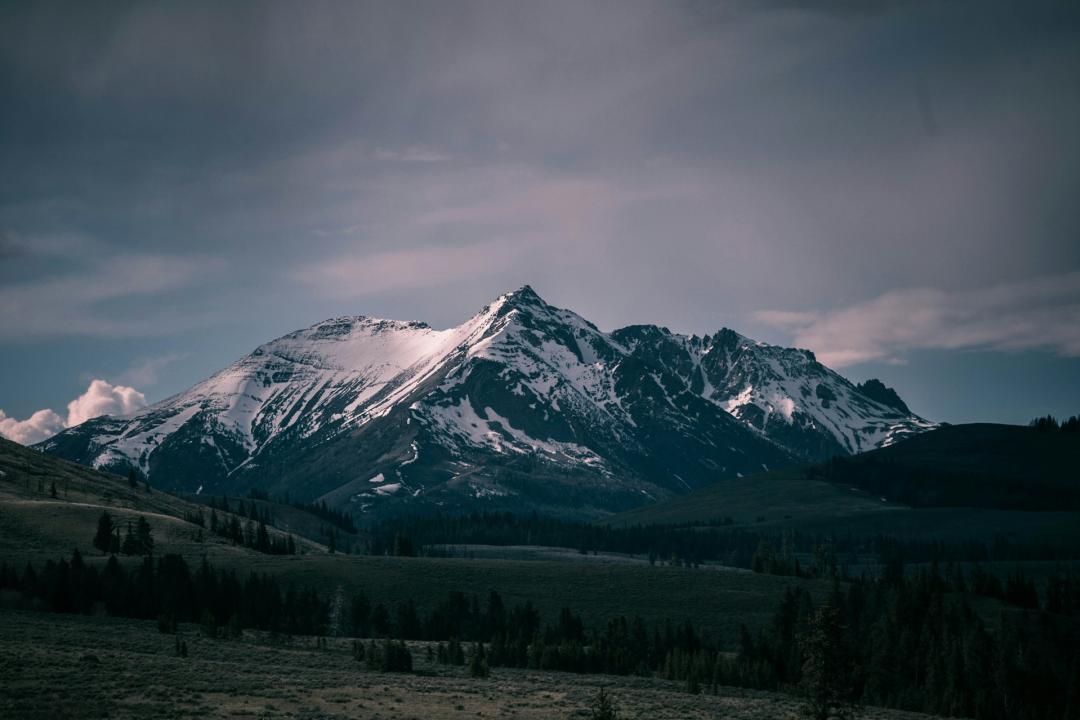

Introduction to Chulu Far East
Chulu Far East Peak, standing at 6,059 meters, is one of the most accessible and rewarding trekking peaks in Nepal's Annapurna region. Part of the Chulu massif, it offers a non-technical but physically demanding climb that’s perfect for those looking to experience Himalayan mountaineering without extreme altitude or technical difficulty. As part of the Annapurna region, the climb integrates naturally into the Annapurna Circuit Trek, making it an excellent choice for trekkers with a spirit for high-altitude adventure.
Where Is Chulu Far East Located?
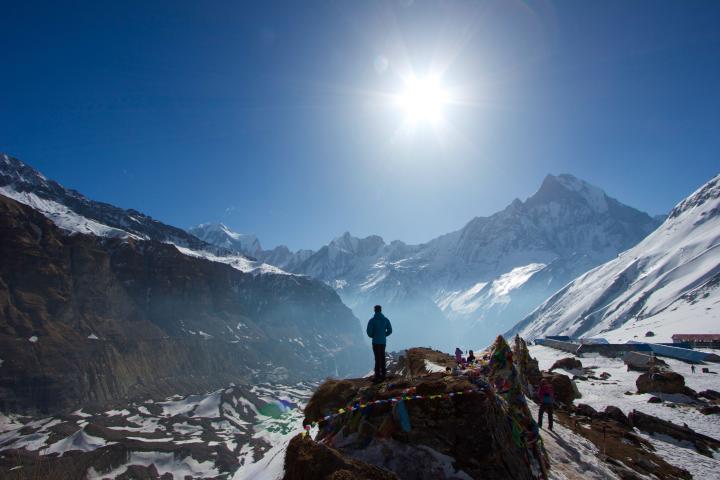
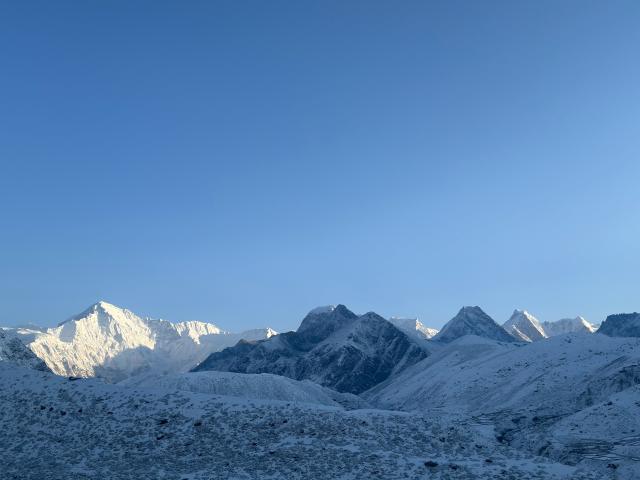
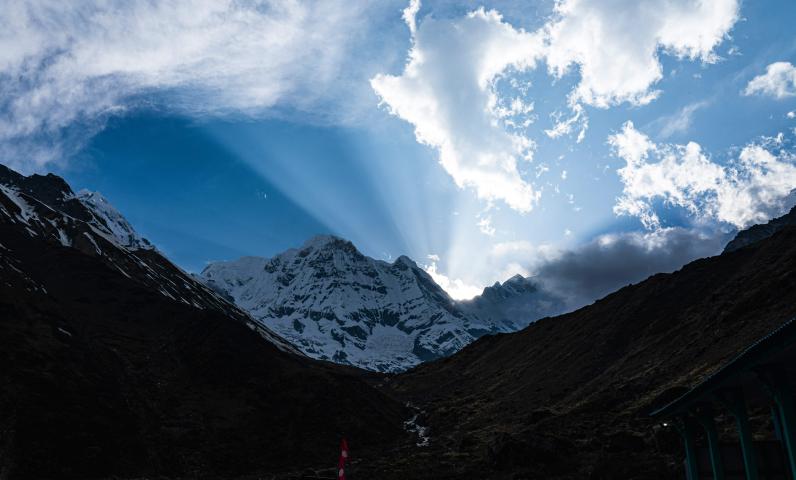
The peak is situated in the Manang Valley, to the north of the Annapurna range. The trail generally begins from Chame or Pisang and continues along the classic Annapurna Circuit until the route branches toward the Chulu base camp. The area is known for its dry, high-altitude terrain, Tibetan-influenced culture, and striking Himalayan panoramas, including views of Annapurna II, III, IV, Gangapurna, and Tilicho Peak.
What Makes Chulu Far East Peak Appealing?
One of the most appealing aspects of Chulu Far East Peak Climbing is its balance of adventure and approachability. Unlike some technical peaks that require advanced mountaineering experience, Chulu Far East is relatively straightforward with some use of ropes, crampons, and ice axes on summit day. It’s ideal for fit trekkers who want to step into mountaineering, learn basic climbing techniques, and reach over 6,000 meters.
The summit provides spectacular 360-degree views that stretch across the Annapurna massif, the Dhaulagiri range, and even to the Tibetan plateau on a clear day.
How Difficult Is the Climb?
Although classified as a trekking peak, the climb still requires good physical condition and basic knowledge of mountaineering. The ascent involves:
-
Glacier travel
-
Snow slopes with inclines of 30 to 40 degrees
-
Use of fixed ropes in the upper sections
-
Cold weather and high-altitude conditions
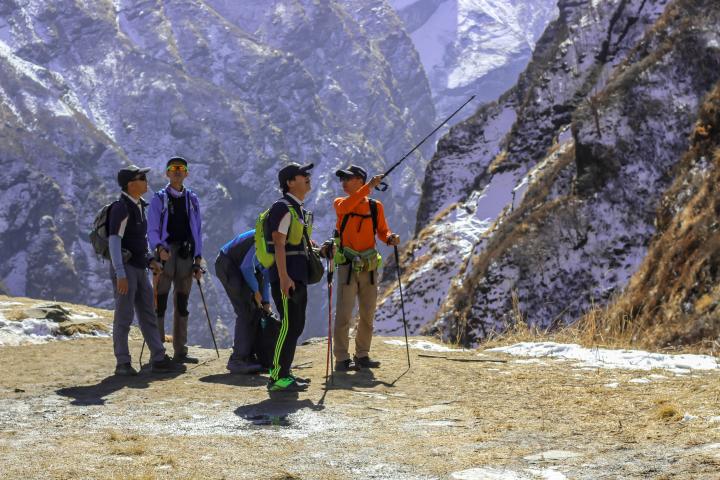
Acclimatization is important, and most itineraries include several days of trekking before reaching base camp. A pre-climb training session is typically provided by the guiding team to ensure safety and comfort with equipment like harnesses, jumar, and crampons.
What Is the Best Time to Climb?
The ideal climbing seasons for Chulu Far East Peak are:
-
Spring (March to May): Clear skies, good snow conditions, and blooming rhododendrons in the lower trails.
-
Autumn (September to November): Stable weather, excellent visibility, and dry trails, especially favorable for summit success.
Climbing during winter is possible but comes with extreme cold, while the monsoon season is avoided due to rain and cloud cover.
Permits and Logistics
Climbing Chulu Far East requires a special climbing permit, along with the standard trekking permits:
-
NMA Peak Climbing Permit (Chulu Far East)
-
Annapurna Conservation Area Permit (ACAP)
-
TIMS Card
These permits are usually arranged by trekking and climbing agencies who also handle accommodation, porters, guides, and gear transport.
Accommodation and Food on the Route
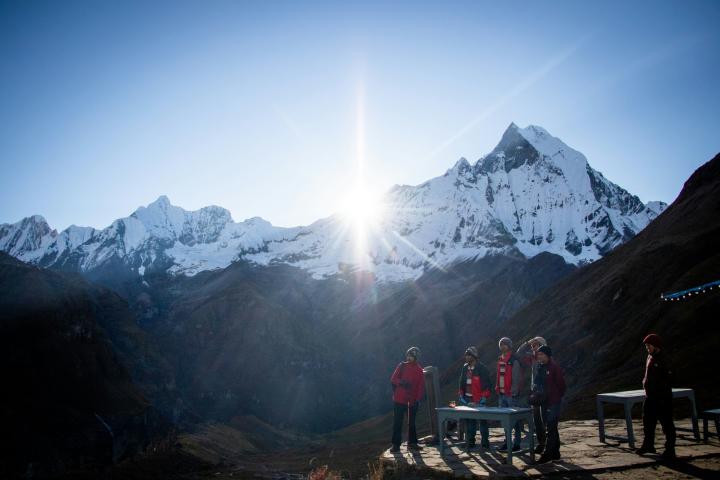
The journey combines teahouse trekking on the Annapurna Circuit with camping from base camp onward. Before the climb, trekkers stay in local lodges that offer traditional meals and basic facilities. From base camp to high camp and during the summit push, tented accommodation is used with meals prepared by the expedition staff.
Why Choose Chulu Far East Over Other Peaks?
-
Ideal for beginners with moderate technical challenges
-
Stunning views with fewer crowds than Island Peak or Mera Peak
-
Integrated into the scenic Annapurna Circuit Trek
-
Great opportunity to gain high-altitude mountaineering experience
Conclusion
Chulu Far East Peak Climbing offers a perfect gateway into the world of Himalayan mountaineering. With its breathtaking scenery, manageable technical demands, and cultural richness, the climb is an unforgettable journey above 6,000 meters. Whether you're an ambitious trekker or an aspiring mountaineer, this peak stands out as one of Nepal's finest introductory climbs.