The mountains of Nepal stand tall like giants watching over the earth. Among them, Everest is the most famous and most feared. Many people ask one simple question before they dream big: how terrifying is the journey to the top? The Everest Expedition is not just a climb. It is a long test of courage, strength, and patience. With the support of Nepal Social Treks, climbers can face this challenge with better preparation, safety planning, and expert guidance that helps turn fear into focus.
A Journey That Starts with a Dream
The Everest journey begins long before you touch snow. It starts with a dream. Most climbers first arrive in Kathmandu, then fly to Lukla, one of the most famous and thrilling airports in the world.
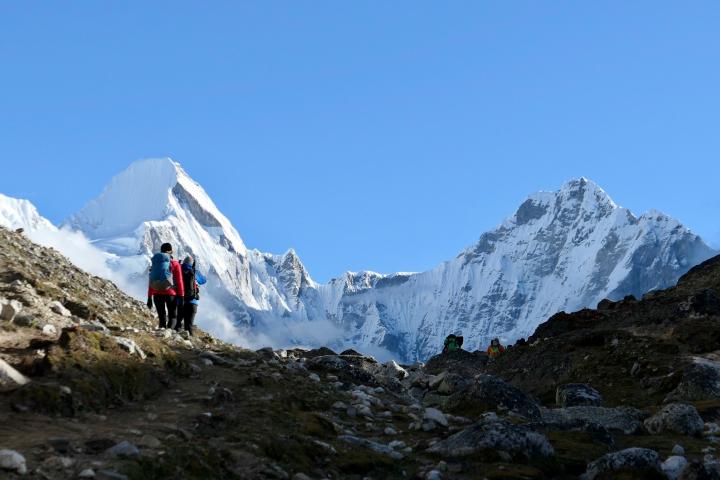
From there, the walk begins. The trail moves through green forests, river valleys, and small Sherpa villages. At first, it feels like a normal trek. But slowly, the mountains grow bigger and the air grows thinner.
Even in the early days, excitement mixes with fear. You know you are heading toward the highest point on Earth.
Nepal Social Treks supports climbers from the start. They handle permits, transport, guides, and gear checks so climbers can begin the expedition with confidence and less stress.
The Real Challenge Begins at Base Camp
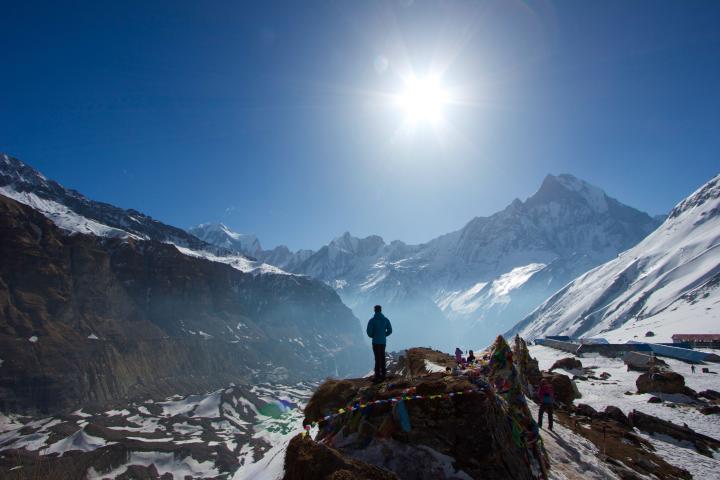
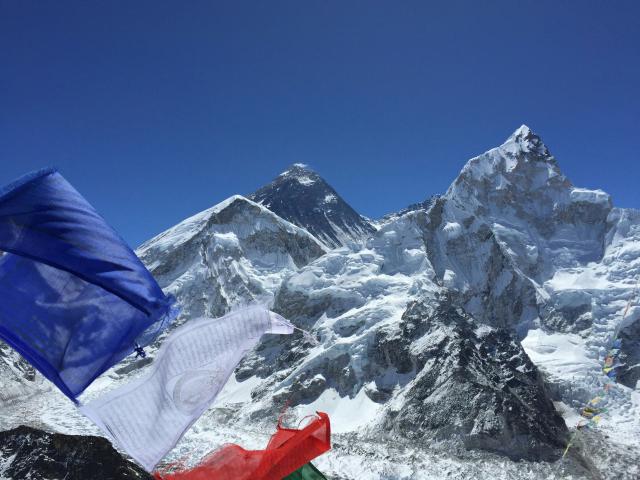
Everest Base Camp sits at 5,364 meters. It is where climbers prepare for the real climb. The view is amazing, but the environment is harsh.
Cold winds blow through the valley. Ice falls move slowly like frozen rivers. You can hear the mountain breathing through cracks in the glacier.
This is where the fear becomes real. Climbers know that higher up, things will only get harder.
The body starts to feel the altitude. Breathing becomes slow. Sleep becomes light. Every small task feels bigger than before.
Nepal Social Treks provides acclimatization plans, medical checks, and experienced Sherpa support at base camp. This helps climbers adjust safely before moving higher.
The Icefall: The Most Dangerous Section
The Khumbu Icefall is often called the scariest part of Everest. It is a moving wall of ice. Huge blocks of ice break and shift every day.
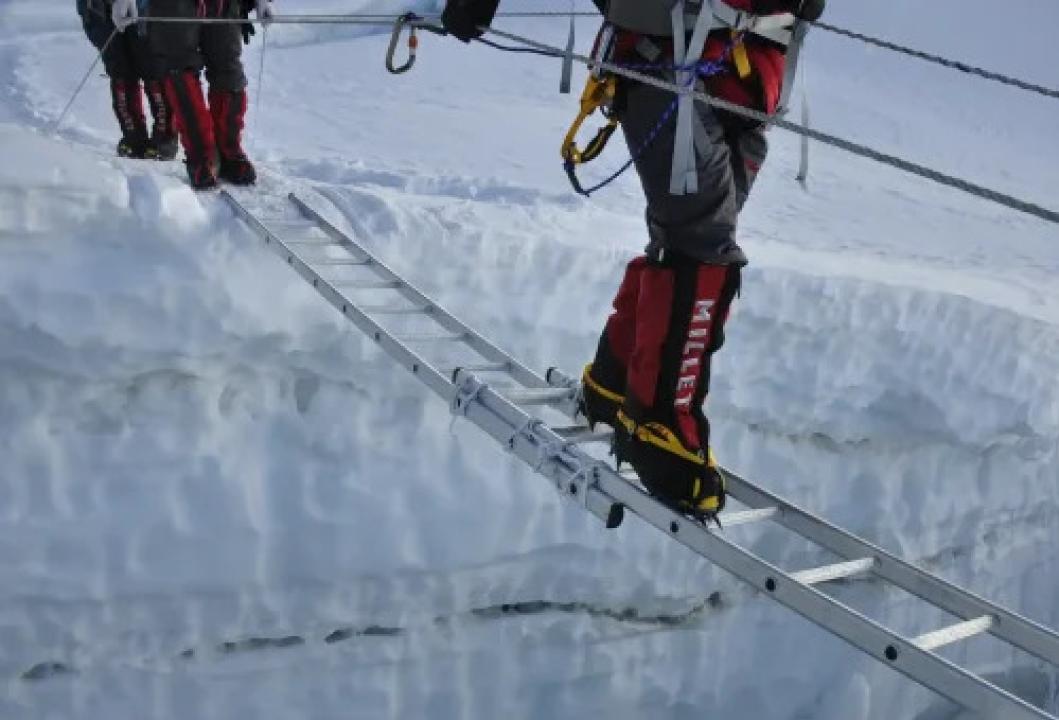
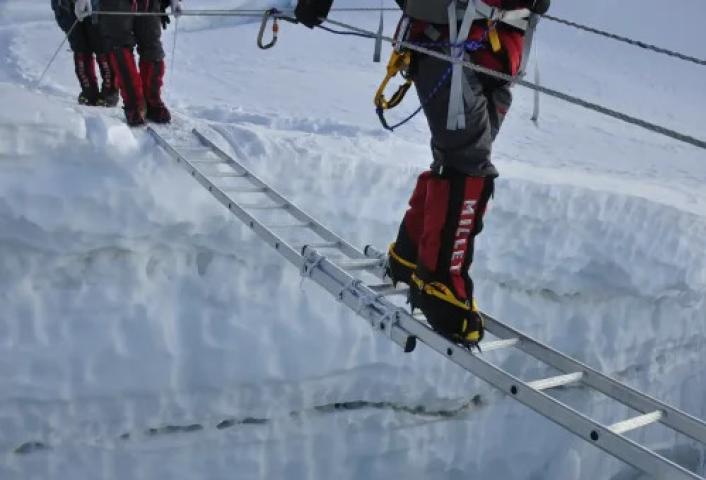
Climbers walk through ladders placed over deep cracks. Some ladders move with the ice. Every step must be careful and slow.
This section is not about speed. It is about focus. One mistake can be serious. That is why climbers often feel nervous here.
Even experienced climbers respect the Icefall. It changes every season, so no two journeys are the same.
With Nepal Social Treks, trained Icefall Doctors prepare the route. Their team fixes ropes, ladders, and safe paths to reduce risk.
The Fear of Altitude
Above 6,000 meters, the air becomes very thin. This is called the “death zone” when climbers go much higher.
The body gets less oxygen. Headaches, tiredness, and slow thinking can happen. This is where fear grows stronger.
Climbers must move slowly, rest often, and use oxygen support. Even simple tasks like putting on gloves can feel difficult.
Mental strength becomes just as important as physical strength.
Nepal Social Treks provides oxygen systems, Sherpa support, and health monitoring to help climbers stay safe in high-altitude conditions.
Weather That Can Change Everything
The weather on Everest is never stable. One moment it is calm. The next moment, strong winds can blow across the slopes.
Snowstorms can appear quickly. Temperatures can drop very low. Visibility can disappear in minutes.
Because of this, climbers often wait for the right “weather window” before trying the summit.
Waiting is hard. But patience is important for survival.
Nepal Social Treks uses weather updates and expert planning to choose safe climbing days. This reduces unnecessary risk during the expedition.
Summit Push: The Final Fear Test
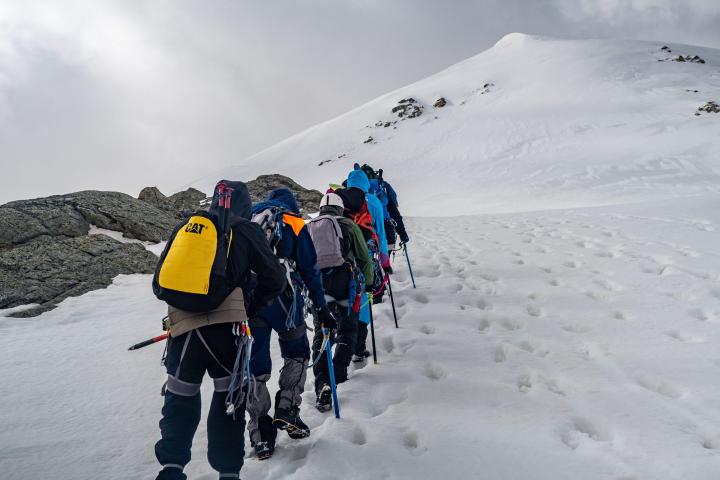
The final climb to the summit is the hardest part of the journey. Climbers usually start before midnight in darkness.
It is cold. It is quiet. Only headlamps light the way. The slope is long and steep. Every step feels endless.
Fatigue is strong. Oxygen is low. But the goal is close.
When climbers finally reach the top at 8,848.86 meters, fear turns into joy. The view is beyond imagination. Clouds sit below like a white ocean.
Nepal Social Treks supports climbers during the summit push with Sherpa guidance, fixed ropes, and emergency systems to ensure safety on this final stage.
Is Expedition Everest Really Terrifying?
Yes, it can be terrifying. But it is not only fear. It is also beauty, strength, and discovery.
The fear comes from altitude, ice, weather, and long effort. But every challenge also brings a reward.
Climbers often say the fear is part of what makes Everest special. Without fear, the success would not feel as powerful.
Final Thoughts: Fear That Turns Into Strength
The Everest Expedition is one of the most challenging adventures in the world. It tests the body and mind in every way. But it also shows how strong humans can be when they do not give up.
The fear is real, but so is the beauty. Every step brings a new lesson. Every challenge builds courage.
With Nepal Social Treks, climbers are never alone on this journey. Their experienced guides, safety systems, and full expedition support help reduce risks and increase confidence from start to finish.
In the end, Everest is not just about fear. It is about facing it — and rising above it.