Buying car insurance is not just a
regulatory requirement in India; it is a financial safety net that protects you
from sudden expenses arising from accidents, theft, natural calamities, and
third-party liabilities. With increasing traffic density, expensive vehicle
parts, and advanced in-car technology, choosing the right policy has become
more important than ever.
This step-by-step guide to buying
car insurance is designed to help you make informed decisions with confidence.
By understanding each stage of the buying process—from selecting the right
policy type to choosing suitable add-ons and verifying policy terms—you can
secure comprehensive protection while avoiding common mistakes that cost money
and peace of mind.
Step
1: Understand the Types of Car Insurance Policies
Before comparing prices, understand
what kind of protection you actually need.
Third-Party Insurance:
Mandatory by law. Covers injury, death, or property damage to others. It does
not cover your own car damages.
Comprehensive Insurance:
Covers third-party liability plus damage to your own vehicle due to accidents,
fire, theft, floods, or vandalism.
Standalone Own-Damage Policy:
Covers only your vehicle damage and is suitable if you already have a long-term
third-party policy.
Choosing the right type prevents
overpaying or underinsuring your car.
Step
2: Evaluate Your Personal Driving and Usage Risk
Your insurance should reflect how
and where you drive.
Consider:
- Daily driving distance
- City traffic vs highway usage
- Parking conditions
- Driver experience and claim history
For example, a car driven daily in
congested areas has higher accident exposure than one used occasionally. Higher
risk justifies opting for broader coverage and essential add-ons.
Step
3: Check the Correct IDV of Your Car
IDV (Insured Declared Value) is the
maximum amount your insurer will pay if your car is stolen or totally damaged.
A lower IDV means:
- Lower premium
- Lower claim payout
A higher IDV means:
- Higher premium
- Better compensation
Always choose an IDV that closely
matches your car’s actual market value, not the lowest possible figure just to
save premium.
Step
4: Choose Important Add-On Covers Carefully
Add-ons enhance protection but should
be selected based on relevance, not impulse.
Useful add-ons include:
- Zero depreciation cover for full parts replacement
- Engine protection for flood-prone areas
- Roadside assistance for frequent travelers
- Return to invoice for new cars
- Consumables cover for minor but frequent expenses
Avoid buying every add-on blindly.
Focus on those that reduce major out-of-pocket costs during claims.
Step
5: Compare Coverage, Not Just Premium
Many buyers select policies based
only on price. This often leads to regret during claim time.
Compare:
- Coverage inclusions and exclusions
- Deductible amount
- Add-on pricing
- Claim settlement support structure
- Cashless garage availability
A slightly higher premium with
smoother claim service often saves more money and stress in the long run.
Step
6: Check Policy Terms and Exclusions in Detail
This is where most misunderstandings
arise.
Read carefully:
- What damages are not covered
- Situations that void claims
- Claim filing timelines
- Required documents
Understanding exclusions prevents
unpleasant surprises after an accident and ensures you meet claim conditions
properly.
Step
7: Buy from a Secure and Transparent Platform
Whether buying directly or through
an aggregator, always ensure:
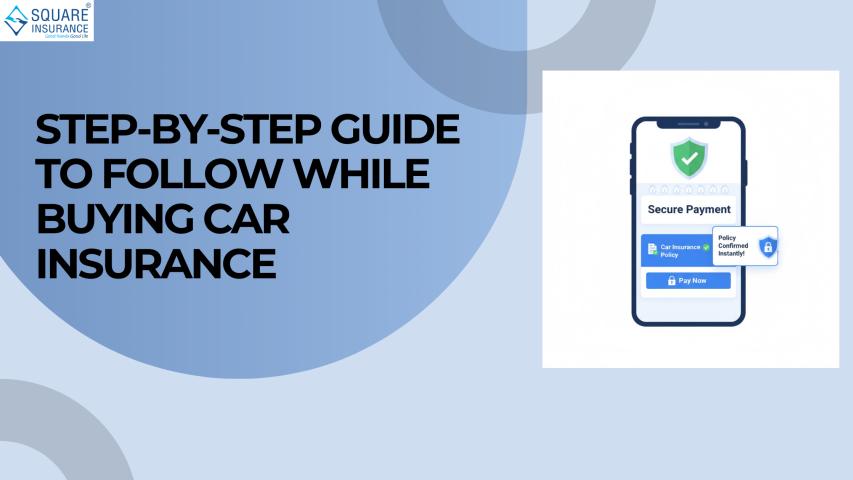
- Secure payment gateway
- Clear policy wording available for download
- Immediate policy issuance
- Customer support access
Digital platforms also allow easy
comparison, instant documentation, and faster renewal reminders, making
insurance management much simpler.
Step
8: Store Documents and Track Renewal Dates
After purchase, many people forget
about their policy until renewal or claim time.
Best practices:
- Save policy PDF on phone and email
- Keep printed copy in car
- Note renewal date on calendar
- Track No Claim Bonus eligibility
Timely renewal avoids policy lapses
and preserves accumulated discounts.
Common
Mistakes to Avoid While Buying Car Insurance
Even experienced car owners repeat
these errors:
- Choosing the cheapest policy without coverage review
- Ignoring add-ons for high-risk driving conditions
- Under-declaring IDV to reduce premium
- Missing renewal deadlines
- Not informing insurer about modifications
Avoiding these mistakes can
significantly improve your claim experience and financial protection.
Why
a Step-by-Step Buying Process Matters
Insurance is not a product you test
every day, but when something goes wrong, it becomes your biggest financial
shield. A structured buying approach ensures:
- Right coverage selection
- Lower long-term expenses
- Faster claim settlement
- Better peace of mind
Making informed choices today
prevents regret tomorrow.
Conclusion:
Buying
car insurance should never be rushed or treated as a routine renewal task. It
is a critical financial decision that directly affects your savings, stress levels,
and legal compliance. By following a step-by-step approach, you ensure that
your policy truly matches your driving habits, vehicle value, and risk
exposure.
With reliable guidance, transparent
comparisons, and customer-focused support, Square Insurance helps car owners
make confident insurance decisions that go beyond just low premiums. When your
protection is thoughtfully chosen, you drive with greater peace of mind and
financial security.
Frequenty
Asked Questions
1.
Is it mandatory to buy comprehensive car insurance in India?
No, only third-party insurance is
legally mandatory. However, comprehensive insurance is strongly recommended as
it protects your own vehicle as well.
2.
How often should I review my car insurance policy?
You should review your policy every
year during renewal to check IDV, add-on needs, and premium competitiveness.
3.
Can I switch insurers while renewing my policy?
Yes, you can change insurers during
renewal while retaining your No Claim Bonus, provided there is no break in
policy continuity.
4.
What documents are required to buy car insurance?
Generally, you need your vehicle
registration details, previous policy information if applicable, and personal
contact details.
5.
Does online purchase affect claim settlement quality?
No, buying online does not reduce
claim support. Claims are processed as per policy terms regardless of purchase
method.
6.
What happens if my car insurance policy expires?
Driving without valid insurance can
attract penalties and you may lose No Claim Bonus benefits. Renewal should
always be done before expiry.