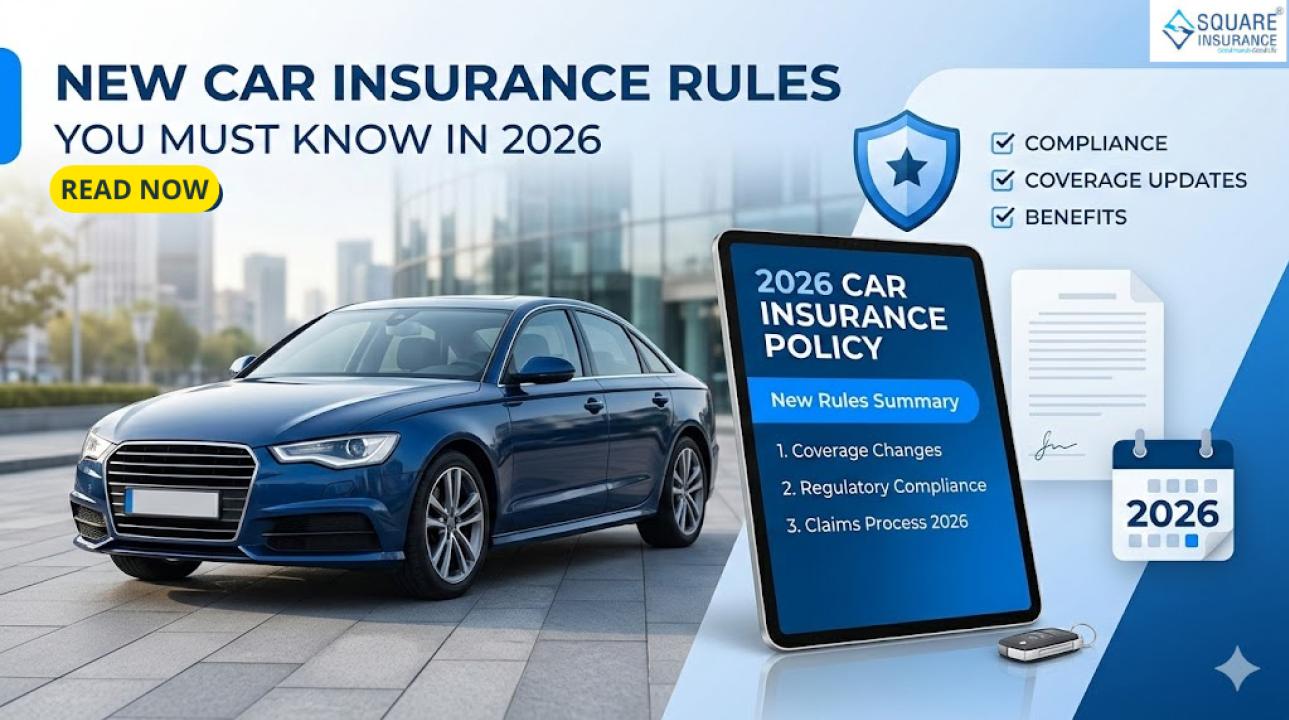

Car insurance regulations are
evolving rapidly in 2026, driven by digital transformation, stricter compliance
monitoring, and stronger consumer protection norms. For vehicle owners, staying
updated with the new car
insurance rules is not just about legal compliance—it’s about
protecting your finances and ensuring smooth claim settlements.
This comprehensive guide explains
the latest updates in car insurance regulations, how they impact policyholders,
and what practical steps you should take to stay protected in 2026.
Why
Car Insurance Rules Are Changing in 2026
Regulatory authorities have
introduced updates to:
- Improve transparency in premium calculations
- Standardize claim procedures
- Strengthen third-party liability coverage
- Encourage digital policy management
- Prevent mis-selling and fraud
These reforms aim to create a more
transparent, technology-driven, and customer-focused insurance ecosystem.
1.
Revised Third-Party Insurance Premium Structure
One of the major updates in 2026
involves revisions to third-party premium slabs. Premium rates are now more
closely aligned with:
- Engine capacity
- Vehicle category (private, commercial, electric)
- Risk exposure factors
Third-party insurance remains
mandatory under the Motor Vehicles Act. With enhanced digital verification
systems, authorities can now instantly detect uninsured vehicles.
What this means for you:
Driving without valid third-party insurance can result in heavier fines and
legal consequences.
2.
Greater Transparency in IDV (Insured Declared Value)
In 2026, insurers must provide
clearer disclosure of how IDV is calculated. This includes:
- Transparent depreciation rates
- Digital confirmation before policy issuance
- Clear explanation of market value basis
IDV directly affects both your
premium and claim payout. Choosing the correct IDV is essential to avoid
underinsurance.
3.
Standardized Add-On Covers
To eliminate confusion, add-ons such
as:
- Zero Depreciation Cover
- Engine Protection
- Roadside Assistance
- Return to Invoice
are now required to follow
standardized definitions and disclosure norms. Insurers must clearly explain
exclusions and eligibility conditions.
This reduces claim disputes and
improves trust between insurers and policyholders.
4.
Continued Enforcement of Long-Term Insurance for New Cars
Long-term third-party coverage at
the time of new vehicle purchase continues to be mandatory. In 2026,
integration between dealerships and insurance databases ensures:
- Instant digital policy issuance
- Centralized verification
- Improved compliance tracking
This prevents gaps in insurance
coverage during the initial ownership period.
5.
Faster and Digital Claim Settlement
Digitization is transforming claim
processing in 2026:
- Video-based vehicle inspections
- AI-assisted damage assessments
- Online document uploads
- Defined claim settlement timelines
Insurers are now required to adhere
to stricter turnaround times. Delays beyond prescribed limits may lead to
regulatory scrutiny.
Benefit for policyholders:
Quicker claim approvals and greater accountability.
6.
Simplified No Claim Bonus (NCB) Transfer
Switching insurers is now easier.
The 2026 framework allows:
- Digital NCB verification
- Seamless transfer between insurers
- Reduced paperwork
This encourages customers to compare
policies and choose better pricing without losing accumulated benefits.
7.
Focus on Electric Vehicle Insurance
With rising EV adoption, insurers
must clearly outline:
- Battery coverage terms
- Premium adjustments for high-value components
- Authorized repair networks
EV owners should carefully review
battery protection clauses, as replacement costs can be substantial.
8.
Stronger Anti-Fraud Measures
To combat rising insurance fraud:
- Centralized claims databases are integrated
- Duplicate claims are flagged automatically
- Strict penalties for false declarations
This ultimately helps stabilize
premium rates for genuine customers.
9.
Expansion of Telematics-Based Policies
Usage-Based Insurance (UBI) is
expanding in 2026. Premiums can now be linked to:
- Driving behavior
- Mileage
- Speed patterns
- Braking habits
Safe drivers may benefit from lower
premiums under telematics-based models.
10.
Enhanced Grievance Redressal System
Insurers must now:
- Provide digital complaint tracking
- Resolve complaints within regulated timelines
- Offer structured escalation mechanisms
This strengthens consumer protection
and ensures transparency in dispute resolution.
How These Rules Impact Car Owners
The 2026 reforms aim to make car
insurance:
- More transparent
- Digitally accessible
- Consumer-friendly
- Faster in claims settlement
- Stricter against fraud
For policyholders, awareness is key.
Understanding your coverage details and compliance requirements prevents
financial loss and legal complications.
Smart Tips to Stay Prepared in 2026
- Renew your policy before expiry.
- Choose a realistic IDV value.
- Review add-ons carefully.
- Compare insurers annually.
- Maintain proper documentation for claims.
- Ensure accurate disclosure of vehicle details.
Car insurance is not merely a legal
obligation—it is essential financial protection against unforeseen risks.
Frequently Asked Questions
1.
Are car insurance premiums increasing in 2026?
Premiums may change depending on
regulatory revisions and risk factors. Third-party premium slabs are
periodically updated.
2.
Is long-term insurance mandatory for new vehicles?
Yes, long-term third-party coverage
at the time of new vehicle purchase remains mandatory.
3.
Can I transfer my No Claim Bonus in 2026?
Yes, the NCB transfer process has
been simplified with digital verification systems.
4.
What happens if my car insurance expires?
Driving without valid insurance can
result in penalties, fines, and legal action.
5.
Are telematics-based policies compulsory?
No, they are optional. However, safe
drivers may benefit from reduced premiums.
6.
Has claim settlement improved?
Yes, digital inspections and
stricter timelines have improved claim processing efficiency.