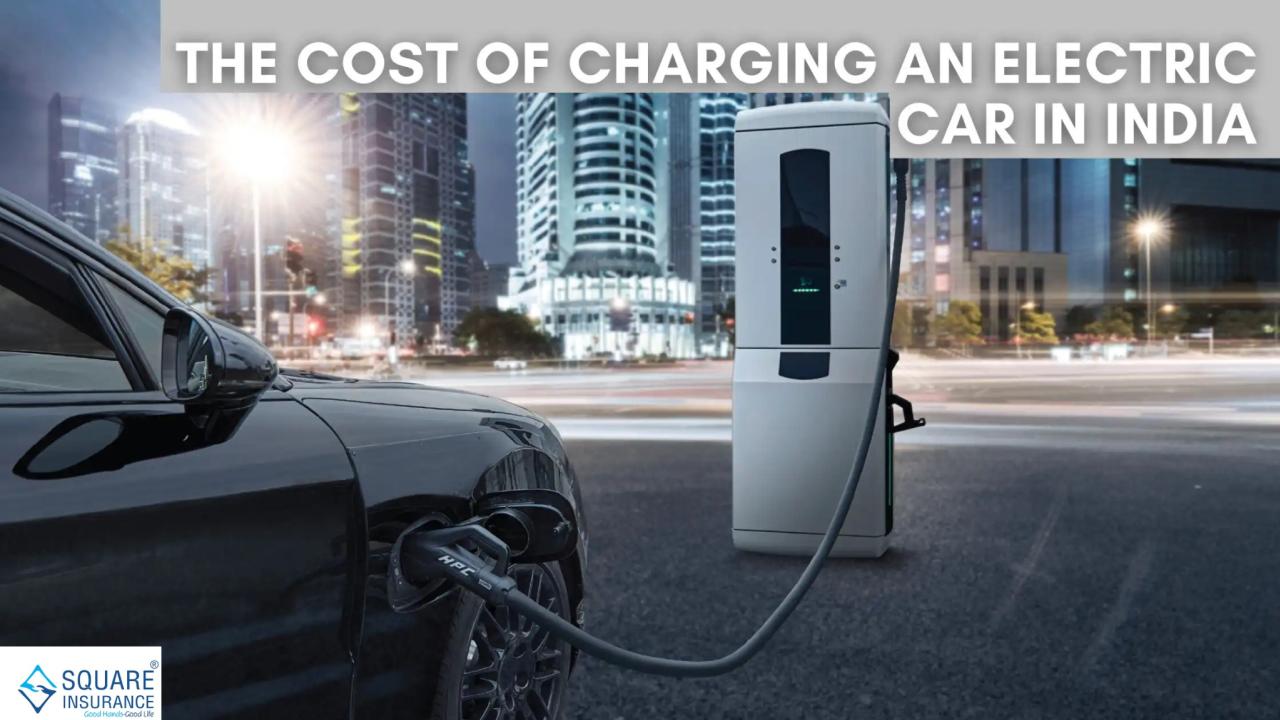
Electric vehicles (EVs) are becoming
increasingly popular in India due to rising fuel prices, environmental
awareness, and government support for sustainable transportation. One of the
biggest questions potential EV buyers ask is: how much does it actually cost to
charge an electric car in India?
Unlike petrol or diesel vehicles,
electric car running costs depend on electricity tariffs, battery capacity,
charging method, and vehicle efficiency. While the initial purchase price of
electric cars is still relatively high, the long-term operating cost can be
significantly lower.
This article explains the real cost of charging electric car in India, factors affecting charging expenses, and
practical ways to reduce charging costs.
Understanding Electric Car Charging Cost in India
The cost of charging an electric car
depends mainly on two factors:
- Battery capacity of the vehicle
- Electricity rate per unit (kWh)
In India, domestic electricity
tariffs usually range between ₹5 and ₹12 per unit depending on the state and
consumption slab. Commercial charging stations may charge slightly higher due
to infrastructure and service costs.
Home Charging Cost vs Public Charging Cost
Home
Charging
Home charging is the most economical
option for EV owners.
Advantages:
- Lower electricity tariff
- Convenience of charging overnight
- No waiting time
Typical Cost:
- ₹5 to ₹10 per unit depending on residential tariff
If you charge mainly at home, your
monthly charging expense can be quite manageable.
Public
Charging Stations
Public charging is convenient for
long-distance travel but slightly more expensive.
Reasons:
- Infrastructure maintenance cost
- Fast charging technology
- Service charges
Public charging cost in India may
range from ₹15 to ₹25 per unit depending on location and provider.
Factors Affecting Electric Car Charging Cost
1.
Battery Size
Larger battery vehicles require more
electricity to charge.
For example:
- Small EVs with 20–30 kWh battery → Lower charging cost
- Premium EVs with 50–80 kWh battery → Higher charging
cost
2.
Driving Pattern
If you drive more kilometers daily,
charging frequency will increase.
Urban commuters may charge their
vehicles more frequently compared to occasional drivers.
3.
Charging Speed
There are three main charging
levels:
- Slow Charging (AC Charging) – Cheapest option
- Fast Charging (DC Charging) – Higher cost but faster
- Ultra-Fast Charging – Premium cost in commercial
stations
Fast charging is convenient but may
increase cost per unit.
4.
State Electricity Tariff
Electricity price varies across
states in India.
Some states offer EV-specific
electricity subsidies to encourage electric vehicle adoption.
How Much Does It Cost to Charge Different Electric Cars in India?
Approximate estimation (may vary by
region):
- Small Electric Hatchback: ₹150 – ₹300 per full charge
- Mid-Range Electric Sedan: ₹300 – ₹600 per charge
- Luxury Electric SUV: ₹800 – ₹1500 per charge
The actual cost depends on battery
capacity and electricity tariff.
Is Charging an Electric Car Cheaper Than Fuel?
Yes, electric car charging is
usually much cheaper than petrol or diesel running cost.
Petrol car running cost in India may
be around ₹6–₹10 per km depending on fuel price and mileage.
In comparison, EV running cost can
be below ₹1.5 per km if charged at home.
This is one of the biggest reasons
for growing EV adoption in urban India.
Best Time to Charge Electric Car in India
Many electricity providers offer
time-of-use pricing.
Charging during off-peak hours
(usually night time) can reduce electricity cost.
If your electricity board offers
such tariff structure, scheduling charging can save money.
Tips to Reduce Electric Car Charging Cost
- Prefer home charging whenever possible.
- Avoid unnecessary fast charging.
- Maintain battery health by following manufacturer
guidelines.
- Use off-peak electricity hours.
- Monitor energy consumption through vehicle apps.
Battery efficiency also plays a role
in long-term cost control.
Electric Car Ownership Cost Beyond Charging
While charging cost is low, owners
should also consider:
- Battery replacement cost after several years
- Service and maintenance expenses
- Insurance coverage for electric vehicles
- Charging infrastructure availability
Role of Insurance in Electric Vehicle Ownership
Electric cars are high-value assets,
and proper insurance protection is important.
Comprehensive insurance helps cover
accidental damage, theft, and natural disaster risks. If you are planning to
buy an electric vehicle, comparing insurance policies is equally important as
analyzing charging cost.
For policy comparison and coverage
selection, Square Insurance can help you evaluate suitable insurance options
based on your vehicle model and usage pattern.
Conclusion
The cost of charging an electric car
in India is generally much lower than traditional fuel expenses. With home
charging, the average cost can be under ₹1 per kilometer in many cases. Factors
such as battery size, electricity tariff, and charging method play an important
role in determining overall expense.
As electric vehicle adoption grows
in India, charging infrastructure and tariff policies are expected to become
more EV-friendly. For long-term ownership planning, buyers should not only
consider charging cost but also insurance protection, battery maintenance, and
service reliability.
If you are planning to buy or
already own an electric vehicle, choosing the right insurance coverage through Square Insurance can help you secure your investment and drive with peace of mind.
Frequently Asked Questions
1.
What is the average cost to charge an electric car in India?
It typically ranges between ₹150 and
₹1500 depending on battery size and charging method.
2.
Is home charging cheaper than public charging?
Yes, home charging is usually more
economical.
3.
How long does it take to charge an electric car?
Slow charging may take 6–10 hours,
while fast charging can take less than 1 hour.
4.
Does electric car charging cost vary by state?
Yes, electricity tariffs differ
across states in India.
5.
Are electric cars cheaper to run than petrol cars?
In most cases, yes, especially for
daily commuting.