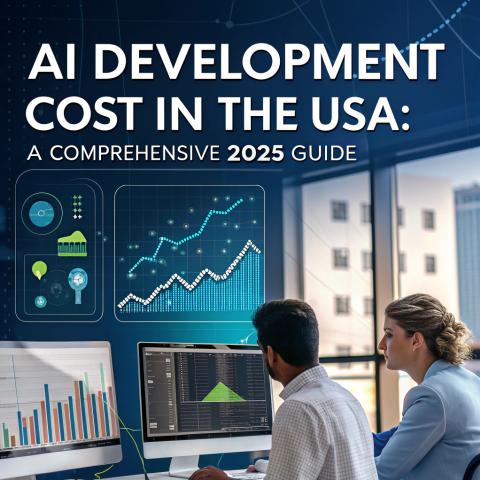

Artificial intelligence is rapidly becoming a core technology for businesses across industries. From healthcare and finance to retail and logistics, organizations are integrating AI solutions to automate processes, improve decision-making, and enhance customer experiences. However, one of the most common questions businesses ask before adopting artificial intelligence is: how much does AI development cost?
The cost of developing an AI solution can vary significantly depending on several factors, including the complexity of the project, the type of AI model being built, the amount of data required, and the expertise of the development team. While some AI solutions can cost a few thousand dollars, large-scale enterprise AI systems may require investments of hundreds of thousands or even millions of dollars.
Understanding AI development costs is essential for businesses planning to implement AI-driven technologies. Companies need to evaluate their goals, budget, and technical requirements before initiating an AI project. This helps ensure that resources are allocated effectively and that the expected return on investment is achievable.
In this guide, we will explore the various components that influence AI development costs, examine pricing estimates for different types of AI applications, and discuss strategies that businesses can use to optimize their AI investment.
What is AI Development?
AI development refers to the process of designing, building, and deploying artificial intelligence systems that can analyze data, learn from patterns, and make intelligent decisions without human intervention. AI development typically involves multiple technologies such as machine learning, natural language processing, computer vision, and deep learning.
The development process begins with identifying a specific business problem that AI can solve. For example, companies may want to automate customer service using chatbots, improve demand forecasting with predictive analytics, or enhance security using facial recognition systems. Once the use case is defined, developers collect and prepare datasets that will train the AI model.
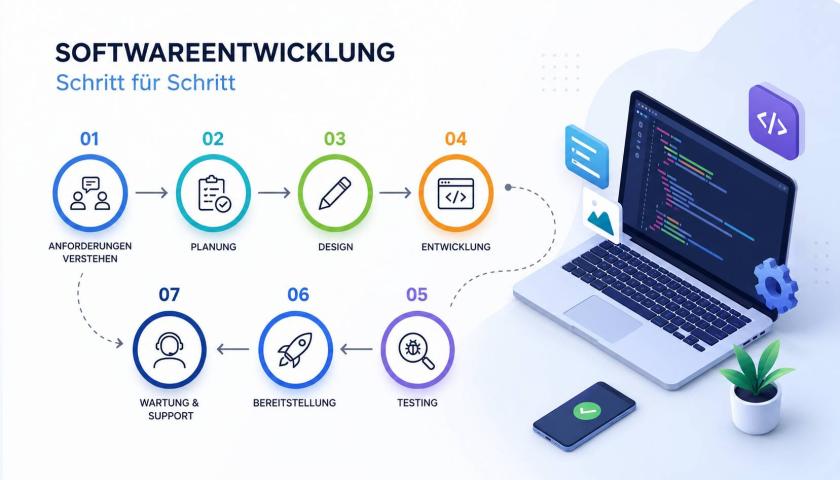
Machine learning algorithms are then used to train models on the collected data. These models learn patterns and relationships within the data so they can make predictions or perform tasks automatically. After training, the model is tested, optimized, and integrated into applications or enterprise systems.
AI development is not limited to building algorithms alone. It also includes infrastructure setup, data management, system integration, testing, and ongoing maintenance. Because of these multiple stages, AI development costs can vary depending on the complexity and scale of the project.
Average AI Development Cost
The cost of developing AI solutions can vary widely depending on the project scope and technical requirements. On average, businesses can expect AI development costs to fall into several categories based on project complexity.
Simple AI applications, such as basic chatbots or recommendation systems, typically cost between $10,000 and $50,000. These projects usually involve limited datasets and relatively simple machine learning models.
Medium-complexity AI solutions, such as predictive analytics systems or AI-powered mobile applications, may cost between $50,000 and $150,000. These projects require more sophisticated algorithms, larger datasets, and integration with existing systems.
Advanced enterprise AI solutions, such as autonomous systems, advanced computer vision platforms, or large-scale AI automation systems, can cost anywhere between $150,000 and $500,000 or more. These projects often involve large datasets, complex deep learning models, and specialized infrastructure.
Additionally, companies using generative AI technologies or large language models may incur ongoing operational costs related to cloud computing, API usage, and model training. These recurring costs should also be considered when planning an AI development budget.
Key Factors That Influence AI Development Cost
Several factors play a crucial role in determining the total cost of AI development. Understanding these factors helps businesses estimate budgets more accurately and plan their AI initiatives more effectively.
One of the most important factors is project complexity. Simple AI applications that perform basic tasks require less development time and fewer resources compared to advanced AI systems that involve multiple machine learning models and real-time processing.
Another major factor is data availability and preparation. AI models rely heavily on data to learn and improve performance. If high-quality datasets are not readily available, companies may need to invest significant resources in data collection, cleaning, and labeling.
The type of AI technology used also impacts development costs. For example, natural language processing systems may require large language models and advanced training infrastructure, while computer vision applications require image datasets and specialized neural networks.
Integration with existing systems can also influence costs. Many AI projects require integration with enterprise software, databases, and cloud platforms. This additional development work increases the overall project budget.
Finally, development team expertise affects pricing. Highly skilled AI engineers and data scientists command higher salaries, especially when working on advanced AI solutions.
Cost Breakdown of AI Development Process
AI development costs can be divided into several stages, each contributing to the overall project budget. The first stage is problem definition and research, where businesses identify the use case and determine whether AI is the right solution. This stage typically involves business analysts and AI consultants who evaluate project feasibility.
The next stage is data collection and preparation. Data is the foundation of any AI system, and preparing datasets often requires significant effort. Data engineers must gather, clean, organize, and label large volumes of data before it can be used for model training.
Model development and training represent another major cost component. During this stage, machine learning engineers design algorithms, train models using datasets, and optimize performance through multiple iterations. Training complex models can require significant computing power, especially when using deep learning techniques.
After model development, the AI solution must be integrated into applications or enterprise systems. This stage involves software development, API integration, and user interface design. Testing and quality assurance are also performed to ensure that the system functions correctly.
The final stage is deployment and maintenance. AI systems require continuous monitoring, updates, and retraining to maintain accuracy over time. Businesses must allocate resources for ongoing maintenance and support to ensure long-term success.
AI Development Cost by Industry
AI development costs can also vary depending on the industry in which the solution is implemented. Different industries have unique requirements, regulations, and technical challenges that influence project budgets.
In the healthcare industry, AI solutions such as medical imaging analysis and predictive diagnostics require high levels of accuracy and compliance with regulatory standards. These requirements often increase development costs due to the need for specialized datasets and rigorous testing.
In the retail sector, AI solutions such as recommendation engines, demand forecasting systems, and computer vision applications are becoming increasingly common. Retail AI projects may involve large datasets and real-time analytics, which can increase infrastructure costs.
The finance industry also invests heavily in AI technologies for fraud detection, risk analysis, and algorithmic trading. Financial AI systems must process large volumes of transactional data while maintaining strict security and compliance standards.
Manufacturing companies use AI for predictive maintenance, quality inspection, and production optimization. These applications often require integration with industrial sensors and IoT systems, which can influence development costs.
Strategies to Reduce AI Development Cost
Although AI development can require significant investment, businesses can adopt several strategies to optimize costs without compromising quality. One effective approach is using pre-trained AI models instead of building models from scratch. Pre-trained models can significantly reduce development time and training costs.
Cloud-based AI platforms also help reduce infrastructure expenses. Instead of investing in expensive hardware, businesses can use cloud services that provide scalable computing resources on demand. This approach allows companies to pay only for the resources they use.
Another strategy involves starting with smaller pilot projects before expanding to large-scale AI implementations. Pilot projects help organizations test AI capabilities, validate use cases, and refine their strategy before making larger investments.
Collaborating with experienced AI development companies can also help businesses reduce costs. These companies have the expertise and resources required to develop efficient AI solutions and avoid common pitfalls.
Additionally, businesses should focus on clearly defined use cases that deliver measurable value. By prioritizing high-impact applications, organizations can maximize return on investment while minimizing unnecessary development expenses.
Future Trends Impacting AI Development Cost
As artificial intelligence technology continues to evolve, several trends are expected to influence AI development costs in the coming years. One of the most significant trends is the growing availability of open-source AI frameworks and tools. These resources allow developers to build advanced AI models without starting from scratch, reducing development costs.
The rise of automated machine learning (AutoML) platforms is another trend that may lower AI development costs. AutoML tools automate many aspects of the machine learning process, including model selection, training, and optimization. This reduces the need for specialized expertise and accelerates development timelines.
Advancements in cloud computing and edge AI are also expected to improve cost efficiency. Cloud platforms provide scalable infrastructure that can handle large AI workloads without requiring significant upfront investment.
Furthermore, the increasing adoption of generative AI technologies is changing how AI applications are developed. Businesses can now leverage large language models and foundation models to build intelligent applications more quickly and efficiently.
These trends suggest that while AI development will remain a significant investment, technological advancements will continue to make AI more accessible to businesses of all sizes.
Conclusion
AI development is transforming industries by enabling businesses to automate processes, analyze data more effectively, and deliver innovative customer experiences. However, understanding the cost of developing AI solutions is essential for organizations planning to adopt this technology.
AI development costs vary depending on factors such as project complexity, data requirements, technology stack, and development expertise. Businesses may spend anywhere from tens of thousands to hundreds of thousands of dollars depending on the scope of their AI initiatives.
By carefully evaluating their goals, selecting the right technologies, and partnering with experienced development teams, organizations can successfully implement AI solutions while optimizing costs. As AI technology continues to evolve, businesses that invest strategically in AI development will be well positioned to gain a competitive advantage in the digital economy.