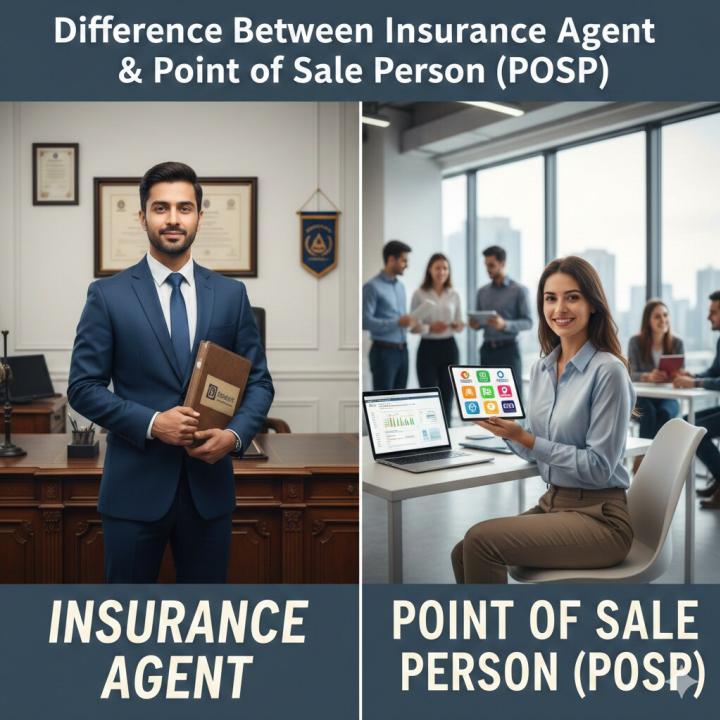
If you have ever thought about starting a career in the insurance sector, you have likely come across two specific terms: Insurance Agent and Insurance POSP. At first glance, they might seem like the same thing. After all, both involve selling insurance policies and helping customers stay protected.
However, there are some big differences in how you get started, what you can sell, and who you work for. Choosing between the two depends on how much time you have and whether you want to stick with one brand or offer a variety of choices.
What Exactly is a POSP?
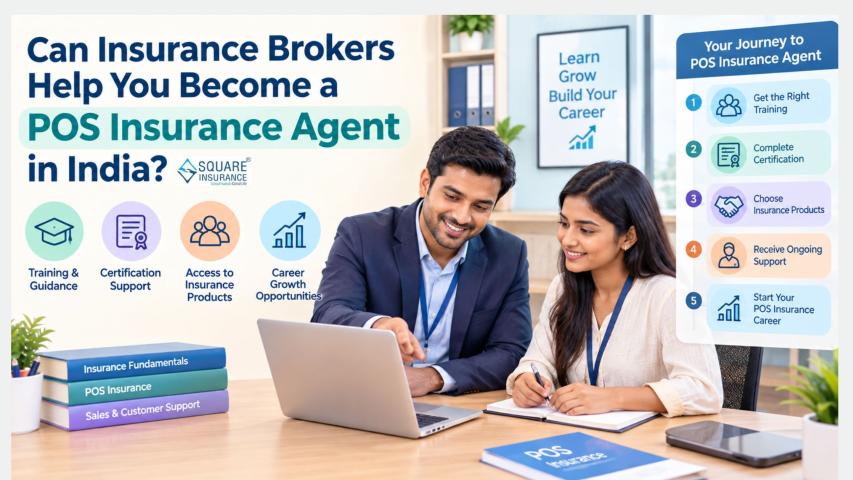
A Point of Sale Person, or POSP, is a relatively new type of insurance seller. The concept was created to help more people in smaller towns and cities get access to insurance. Think of a POSP as a versatile distributor who can sell products from multiple insurance companies across different categories like life, health, and motor insurance.
Flexibility and Variety
The biggest draw for a POSP is the ability to offer options. Instead of being tied to just one company, you can look at what different insurers are offering and pick the best fit for your client. This makes it much easier to build trust because you aren't forced to push a single brand.
Simple Entry Requirements
The barrier to entry for a POSP is quite low. You usually only need to have completed your 10th grade. The training is also much shorter compared to traditional roles. Once you complete the basic training, you can start your journey with a platform like Quickinsure and begin helping people secure their future.
What is a Traditional Insurance Agent?
A traditional insurance agent is usually an individual who represents one specific insurance company. If you are a life insurance agent for Company A, you cannot sell life insurance for Company B. You are a dedicated representative of that specific brand.
Deep Product Knowledge
Because agents work with only one company, they usually have a very deep understanding of every single policy that company offers. They are experts in the fine print of their specific brand. While this limits the variety they can offer, it makes them highly specialized.
Rigorous Training and Exams
Becoming a traditional agent takes more effort. You typically need to have a 12th-grade education. The training period is longer, and the posp insurance agent exam for a full agency license is generally more difficult than the one for a POSP.
Highlighting the Main Differences
To make it easier to decide which path is right for you, let's look at the core areas where these two roles diverge.
1. Scope of Products
An insurance agent is restricted by their license. They can usually only sell for one life insurer, one general insurer, and one health insurer. A POSP, however, can sell a mix of products from various companies through a single intermediary or portal. This freedom is why many people are now choosing the POSP route through Quickinsure.
2. Educational Background
As mentioned earlier, a POSP only needs a 10th-standard certificate. A traditional agent must have passed their 12th-standard exams. This makes the POSP role accessible to a much larger group of people, including retirees, stay-at-home parents, or students looking for a side hustle.
3. The Examination Process
The Posp insurance agent exam is conducted by the insurance intermediary or the company itself, following IRDAI guidelines. It is designed to be straightforward and focuses on the specific products the POSP will sell. The traditional agent exam (often known as the IC38 exam) is conducted by the Insurance Institute of India and covers a much broader range of technical topics.
4. Direct Support and Technology
POSPs usually work through digital platforms. These platforms provide all the tools needed to generate quotes, compare plans, and issue policies instantly. Traditional agents might still rely on more manual processes or the internal systems of their specific parent company.
Which One Should You Choose?
Deciding which path to take depends on your personal goals.
Choose the Insurance Agent path if: You want to build a career with a specific, well-known brand and don't mind the longer study hours and more difficult exams.
Choose the POSP path if: You want to offer your customers the best prices from multiple companies and prefer a faster, digital-first way of working.
Most people starting out today find the POSP model more rewarding because they can help more people with different needs. If you want to get started quickly, Quickinsure provides a smooth onboarding process that gets you ready to sell in no time.
How to Prepare for the Exam
Regardless of which path you pick, you will need to clear a test. Here are a few tips to help you pass your posp insurance agent exam or your agency test:
Understand the Basics: Focus on the "why" of insurance. Why do people need it? How does risk pooling work?
Learn the Terms: Make sure you know what "premium," "deductible," and "nominee" mean. These are the building blocks of every question.
Practice Mock Tests: Most platforms offer practice questions. Take as many as you can to get used to the format.
Stay Updated: Insurance rules change occasionally. Make sure your study material is current.
Working with a trusted partner like Quickinsure ensures you have the right study materials and support to clear your certification on the first attempt.
Frequently Asked Questions
Can a POSP sell both Life and General insurance?
Yes! That is one of the best things about being a POSP. You can sell motor, health, and life insurance policies, whereas a traditional agent is often limited to a specific category unless they hold multiple licenses.
Is there a limit to how much a POSP can earn?
There is no fixed limit. Your earnings are usually based on the number of policies you sell. Since a POSP can offer many different brands, they often have a better chance of closing a sale because they can find a policy that fits the customer's budget.
Do I need an office to be an insurance seller?
Not at all. Both roles can be done from the comfort of your home. Most of the work today happens online, from sharing quotes on WhatsApp to receiving policy documents via email.
Is the POSP license valid across India?
Yes, the certification you receive allows you to sell insurance to anyone residing in India, regardless of where you are physically located.
How long does the training take?
For a POSP, the training is usually around 15 hours. For a traditional agent, it is typically longer, around 25 to 50 hours depending on the license type.
The Difference Between Insurance Agent & Point of Sale Person (POSP) really comes down to flexibility versus specialization. If you value the freedom to compare and give your clients the best possible deal from various insurers, the POSP model is hard to beat. It’s a modern way to build a business with minimal stress and maximum reach.