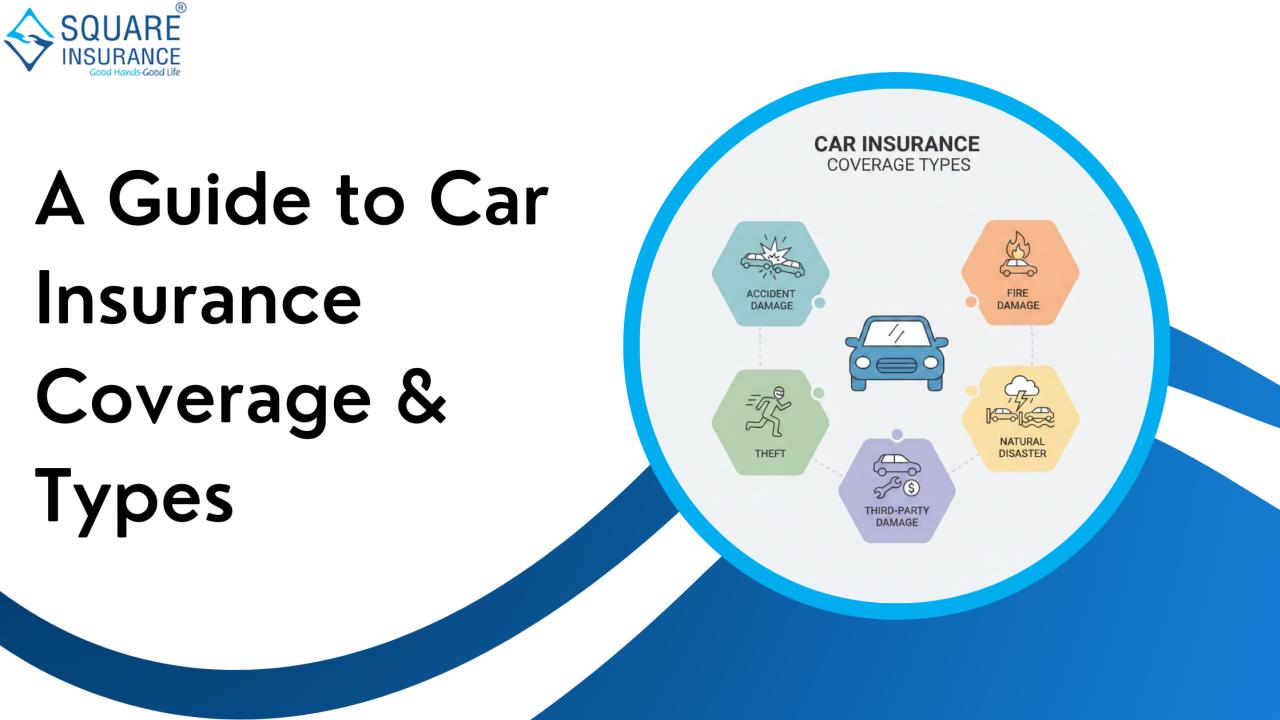
Buying car insurance is not just
about completing a legal formality—it is about protecting yourself from
financial stress when unexpected situations arise on the road. From minor
scratches to major accidents, even a single incident can lead to heavy repair bills
or legal liabilities. Yet, many vehicle owners purchase policies without
clearly understanding what their insurance actually covers.
This guide explains the different
types of car insurance coverage in simple and practical terms, helping you
understand how each policy works, what it protects, and how to choose coverage
that matches your real driving needs. With the right information, you can avoid
coverage gaps, reduce out-of-pocket expenses, and stay confident every time you
take your car out on the road.
Why Understanding Car Insurance Coverage Matters
Every car owner faces risks such as
accidents, theft, natural disasters, and third-party liabilities. Insurance
transfers these financial risks to the insurer. However, not all policies offer
the same level of protection.
When you clearly understand coverage
types, you can:
- Avoid paying for unnecessary add-ons
- Prevent claim rejections due to coverage gaps
- Choose the right balance between premium and protection
- Stay financially secure after unexpected events
In short, the right coverage is not
about the cheapest premium, but about the smartest protection.
Main Types of Car Insurance Policies
Let’s start with the broad
categories of car insurance policies available for vehicle owners.
1.
Third-Party Liability Insurance
This is the most basic and legally
mandatory form of car insurance.
What it covers:
- Injury or death of a third person
- Damage to another person’s vehicle or property
What it does not cover:
- Damage to your own car
- Theft of your vehicle
- Natural calamities or fire damage to your car
This policy is affordable but offers
no financial protection for your own vehicle. It is suitable only if your car
is very old and you are willing to bear repair costs yourself.
2.
Standalone Own-Damage Insurance
This policy covers damage to your
own car but does not include third-party liability. It is available only if you
already have an active third-party policy.
What it covers:
- Accidental damage
- Theft
- Fire
- Natural disasters like floods or storms
- Man-made disasters like riots
This option is useful when you want
flexibility to buy third-party and own-damage covers from different insurers.
3.
Comprehensive Car Insurance
Comprehensive insurance combines
both third-party liability and own-damage coverage in one policy.
What it covers:
- Third-party injuries and property damage
- Damage to your own vehicle
- Theft and fire
- Natural and man-made calamities
This is the most recommended option
for most car owners because it provides all-round protection and reduces
out-of-pocket expenses after accidents.
Understanding Key Coverage Components
To choose the right policy, it’s
important to know what exactly is included under car insurance coverage.
Third-Party
Coverage
Third-party claims can involve legal
liabilities and court settlements. This coverage protects you from:
- Medical expenses of injured third parties
- Compensation for death or disability
- Repair costs of third-party vehicles or property
This coverage is unlimited for
bodily injury and is crucial for legal compliance.
Own-Damage
Coverage
Own-damage protection takes care of
your vehicle expenses, including:
- Repairs after collisions
- Garage bills
- Parts replacement
- Towing costs in some cases
Without this cover, even minor
accidents can result in large repair bills.
Personal
Accident Cover
Personal accident cover provides
financial compensation if the owner-driver suffers:
- Permanent disability
- Death due to accident
This benefit supports families
during emotionally and financially difficult times.
Add-On Covers: Enhancing Your Policy Protection
Add-ons are optional but valuable
enhancements that increase your coverage. They slightly increase premium but
offer strong financial benefits.
Zero
Depreciation Cover
Normal policies deduct depreciation
on parts during claims. Zero depreciation ensures you receive full claim
without part value deductions.
Engine
Protection Cover
Covers engine and gearbox damage
caused by water ingress or oil leakage, which standard policies usually
exclude.
Roadside
Assistance
Provides help during emergencies
such as:
- Breakdown
- Flat tyres
- Battery jump-start
- Emergency towing
Return
to Invoice Cover
If your car is stolen or totally
damaged, this cover pays the original invoice value instead of the depreciated
market value.
Consumables
Cover
Pays for nuts, bolts, lubricants,
coolant, and other consumables not covered in standard claims.
Choosing add-ons should be based on
how you use your vehicle, where you drive, and your repair affordability.
Factors That Influence the Right Coverage Choice
Every driver’s insurance needs are
different. Consider the following factors:
Age
of the Car
Newer vehicles benefit more from
comprehensive coverage with zero depreciation and invoice protection.
Driving
Location
Urban traffic increases accident
risk, while flood-prone areas require engine protection.
Usage
Frequency
Daily commuters face higher exposure
to accidents compared to occasional drivers.
Repair
Cost of the Vehicle
Premium or luxury vehicles have
higher spare part costs and need stronger coverage.
Common Coverage Mistakes to Avoid
Even experienced drivers sometimes
make costly insurance mistakes.
- Buying only third-party insurance to save premium
- Skipping add-ons that match real risks
- Not checking claim settlement processes
- Underinsuring the car’s value
- Ignoring policy exclusions
Understanding these mistakes helps
you avoid future claim disputes and financial losses.
How to Match Coverage with Your Budget
Good insurance planning is about
balancing cost and protection.
Tips for smart selection:
- Opt for voluntary deductibles only if you can afford
small repair costs
- Choose add-ons based on risk, not popularity
- Maintain a good driving record to benefit from No Claim
Bonus
- Review coverage every year instead of blindly renewing
Proper comparison of coverage
features is more important than simply comparing premium amounts.
Conclusion:
Car insurance is not a document to
be forgotten in your dashboard—it is a financial safety net that stands between
you and heavy losses. Understanding coverage and policy types helps you make
confident decisions, avoid claim disappointments, and stay legally protected.
A well-chosen comprehensive policy
with relevant add-ons can save thousands in repair and medical expenses.
Instead of buying insurance just to comply with the law, buy it to protect your
future on the road.
If you’re looking for reliable
guidance and practical protection options, Square Insurance helps vehicle
owners choose coverage that fits their real-life driving needs, not just their
budget. The right insurance partner can make the difference between stress and
security when accidents happen.
Frequently
Asked Questions
1.
Is comprehensive car insurance mandatory?
No, only third-party insurance is
legally required. However, comprehensive insurance is strongly recommended for
financial safety.
2.
What is better: standalone own-damage or comprehensive policy?
Comprehensive insurance is easier to
manage and provides complete protection under one policy, making it better for
most car owners.
3.
Do add-on covers really make a difference during claims?
Yes. Add-ons like zero depreciation
and engine protection significantly reduce out-of-pocket expenses during
repairs.
4.
Can I change my coverage during renewal?
Yes, renewal is the best time to add
or remove covers based on your vehicle condition and driving habits.
5.
How do I know if my coverage is enough?
Check if your policy includes
own-damage, personal accident cover, and add-ons that match your driving risks.
If major expenses are still excluded, your coverage may be insufficient.