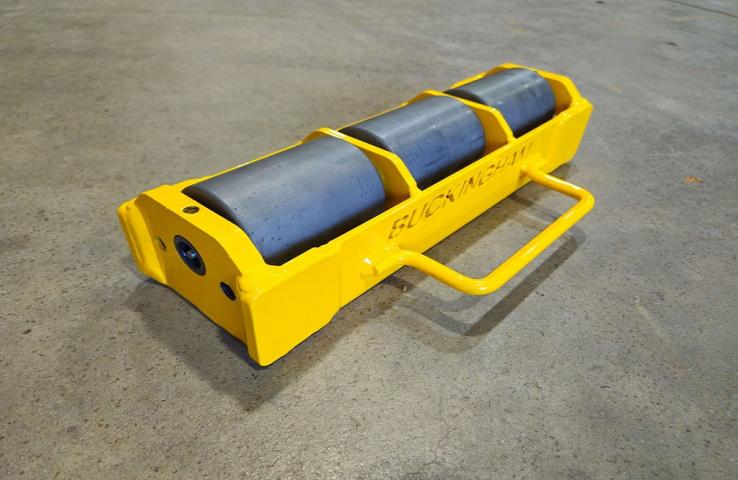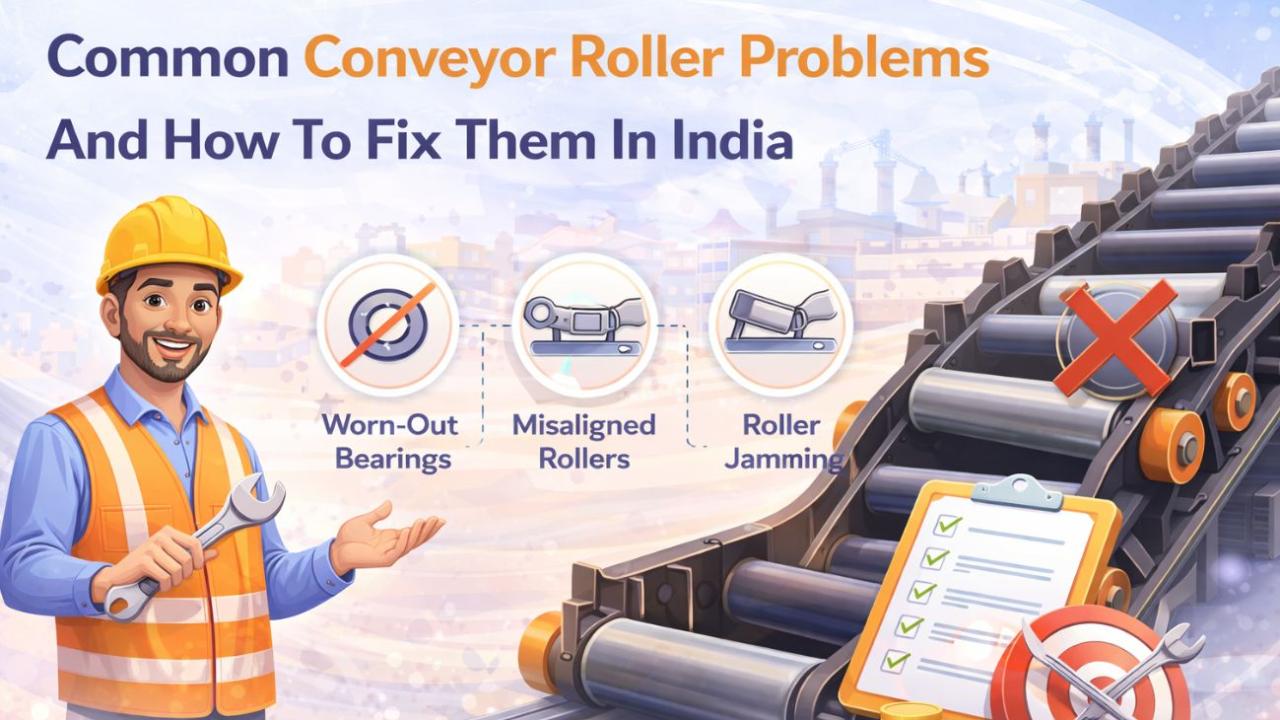

Conveyor Systems are important tools used to move goods from one place to another within different sectors of Indian industry including; manufacturing, mining, warehousing, fast moving consumer goods (fmcg), logistics, etc. The heart of every conveyor system is the conveyor roller, which acts as the main part of the conveyor that provides a consistent movement of products. Unfortunately, the conveyor roller is commonly affected by various factors such as excessive weight, dust, elevated temperatures, and continuous use. Identifying where potential problems exist with respect to the conveyor roller, and having a course of action to correct these issues will allow organizations to minimize downtime and boost their productivity when they work with a reputable conveyor rollers manufacturer.
Discussing the Conveyor Roller Problems and Ways to Fix Them
1. Roller Misalignment
Problem:
One of the most widespread conveyor roller problems in the Indian industrial setting is misalignment. In case of improper alignment of rollers, the conveyor belt will drift to one side, resulting in uneven wear, spillage of materials, and belt damages.
There are a few things to consider when performing a complete system check of your conveyor system, including:
Regular Inspections:
The inspection of the rollers is essential. Ensure that all rollers are squarely mounted with respect to one another and directly across from the conveyor frame. For larger conveyor systems, use laser alignment tools to help with this task. You can prevent significant long term damage to the rollers due to wear and tear by incorporating a scheduled maintenance program which includes periodic realignment.
2. Roller Seizing / Jamming
Problem:
When a roller is restrained from free movement (seized), it can be due to rust, failure of the bearing, or an overload of the roller beyond its rated capacity.
Solution:
Make sure that there is an adequate distribution of loads on the conveyor system. Rollers that resist corrosion should be used and particularly in the damp or coastal areas of India. Seizure can be largely minimized through regular lubrication of the engine and replacement of bearings in good time.
3. Uneven Wear and Tear
Problem:
Uneven rollers wear lead to reduced life of the rollers and the conveyor belt. This usually occurs because of the wrong positioning of the load, misalignment, or use of inferior materials.
Solution:
Consider the use of standard loading and also have rollers that are changed as frequently as possible. Buy rollers that are durable such as galvanized steel or heavy-duty polymers. Preventive maintenance is important in detecting wear and tear early.
4. Belt Slippage Caused by Roller Issues
Problem:
The loss of traction of rollers or their tiresome nature causes the conveyor belt to slip, thereby causing inefficiency and delay in material handling.
Solution:
Surfaces of check rollers are smooth or worn. Either use rollers with a suitable grip or textured finish where necessary. Check all belt tension and rollers, make sure they fit with the type of belt.
5. Corrosion and Rusting
Problem:
Rollers in sectors such as food processing, chemicals, and mining are subjected to moisture, chemicals, and a rough environment, and as a result, they corrode.
Solution:
Apply corrosive slide rollers that are made of stainless steel or coated. Rollers can have their roller life extended by regular cleaning and protective coating. The rollers should always be selected by considering environmental factors.
6. Bearing Failure
Problem:
Due to being mounted in bearings, roller movement is subject to failure due to insufficient lubrication, contamination, and/or overload.
Solution:
Using rollers with closed or shielded bearings drastically reduces damage and operational disruptions from dust and water. Follow manufacturer's recommended lubrication schedules and replace bearings before they are completely consumed.
Preventive Maintenance Importance
A proactive approach to maintenance will prevent most of the issues with conveyor rollers. Regular inspections, cleaning schedules and timely replacement of parts will allow for better performance and lower incidents of unexpected failure. It is also important to train maintenance personnel to identify early warning signs.
Conclusion
The issues of the conveyor rollers are widespread in the various industries, yet they can be handled with the proper care. Misalignment and noise, corrosion, and bearing failure are but a few of the examples that timely diagnosis and corrective action would save time and cost. By getting in touch with a more established conveyor rollers manufacturer, it is possible to become exposed to high product quality, technical assistance, and long-term stability, which would assist any business with efficient and continuous material handling procedures.