The human body is a complex structure made up of cells, bones, and tissues that work together to support movement and daily activities. When any part of this system gets injured—especially bones—it can be extremely painful and difficult to heal. A bone fracture not only causes intense pain but also limits mobility, making quick and proper treatment essential. Everyone’s goal after an injury is simple: heal faster and return to a pain-free life.
In earlier times, broken bones were treated mainly with plaster casts. While plaster helped in immobilizing fractures, the recovery process was long and uncomfortable. Patients often had to wait more than 20 days—or even longer—for healing, all while dealing with constant pain and stiffness. Fortunately, medical science has advanced significantly.
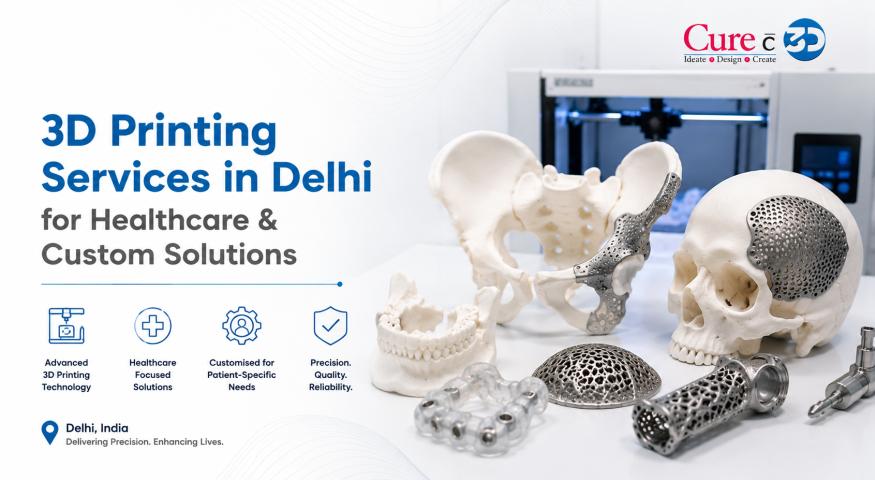
Today, doctors rely on modern solutions like orthopedic implants to treat fractures, weak joints, and bone disorders more effectively. These implants, including orthopaedic plates, screws, and rods, provide better stability, faster healing, and reduced pain. With the help of advanced manufacturers such as Curewith3D, patients now benefit from innovative technologies like patient specific implants and 3D printed medical implants, especially in leading medical hubs like Delhi.
What Are Orthopedic Implants?
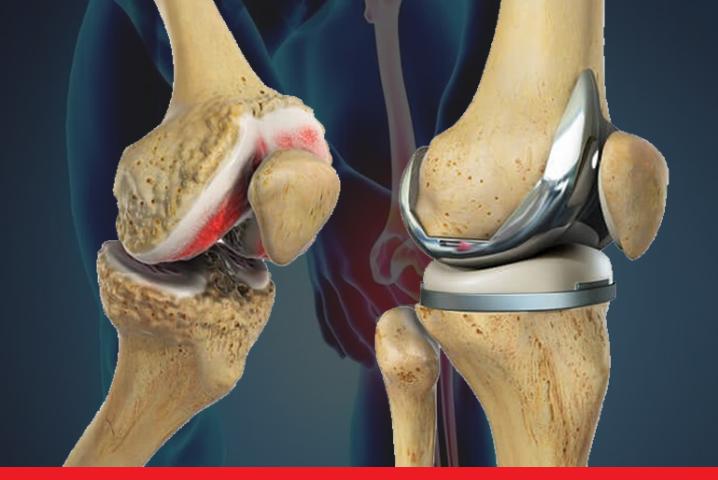
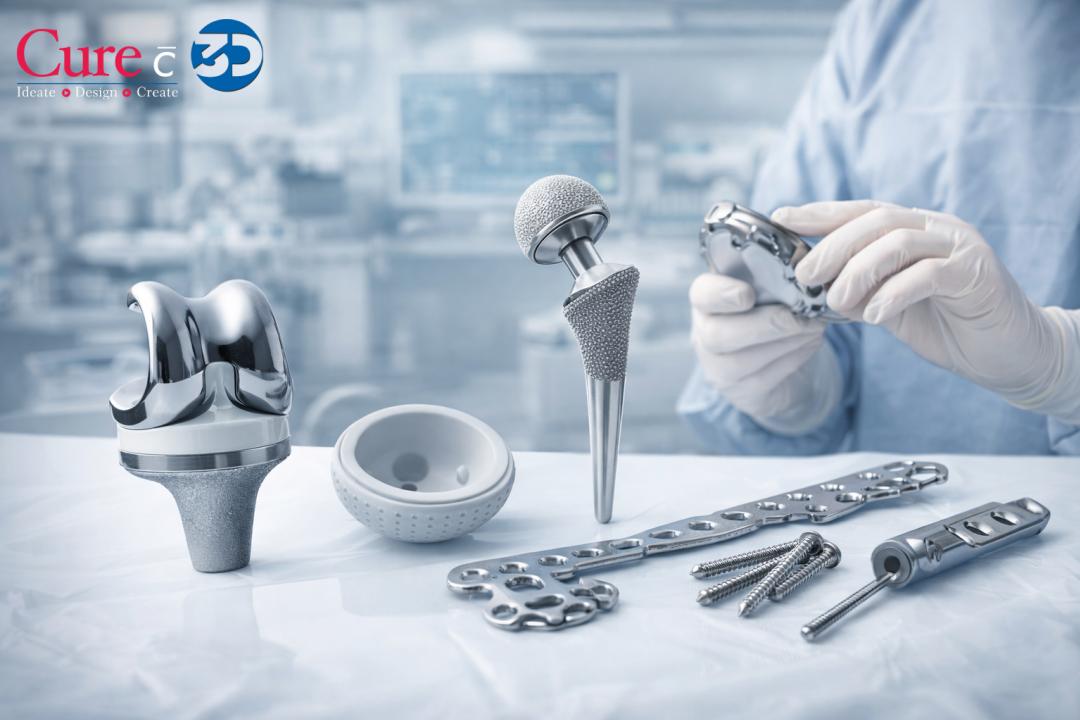
Orthopedic implants are specially designed medical devices used to support, align, or replace damaged bones and joints. These implants are usually made from materials such as metal, titanium, or stainless steel, which are safe for the human body. Doctors use these devices to fix bone fractures, correct deformities, and restore normal movement.
Simply put, orthopedic implants are man-made devices that are surgically placed inside the body to help broken or weak bones heal properly. Common examples include screws, plates, rods, and artificial joints. Once placed, these implants hold bones in the correct position, allowing them to grow back together naturally.
In many cases, implants are removed after the bone has healed completely. However, in some situations—such as joint replacements—the implant remains in the body permanently. Advanced solutions from companies like Curewith3D, based in Delhi, ensure that implants are designed with precision, comfort, and long-term safety in mind.
How Do Orthopedic Implants Work?
Orthopedic implants work by providing stability and support to damaged bones and joints. Their function depends on the type of injury or condition being treated.
Fracture Fixation:
When a bone breaks, doctors use implants such as screws, plates, and nails to hold the broken pieces together. These devices keep the bone stable and aligned until natural healing occurs.Joint Replacement:
Joint replacement is commonly required for elderly patients or individuals with severe joint damage. Artificial joints are implanted to restore movement and significantly reduce pain.Bone Support and Alignment:
Some bones may not align properly due to birth defects or injuries. Orthopedic implants help correct alignment and support proper bone growth.Bone Regeneration:
Modern implants are designed to be stable while allowing bone tissue to grow around them, helping the bone regain its natural strength.
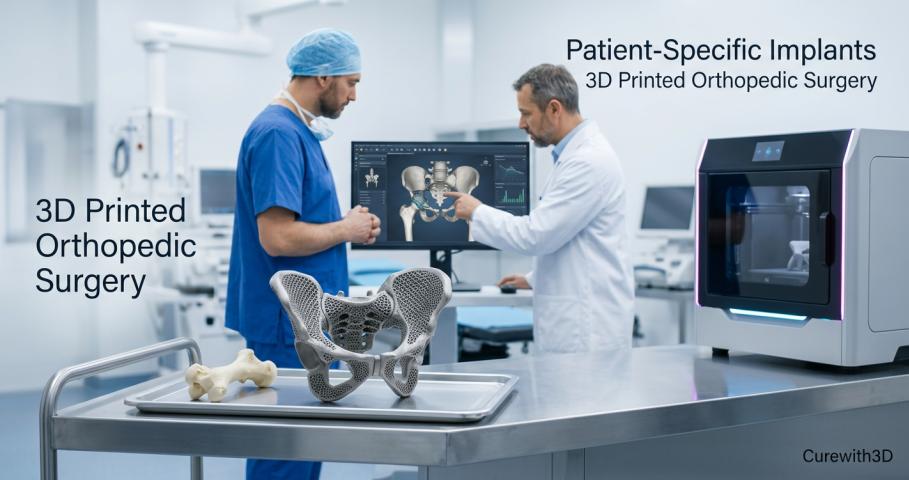
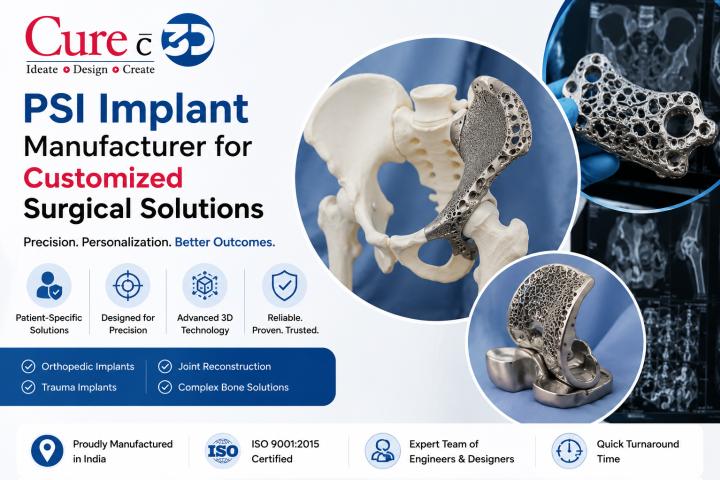
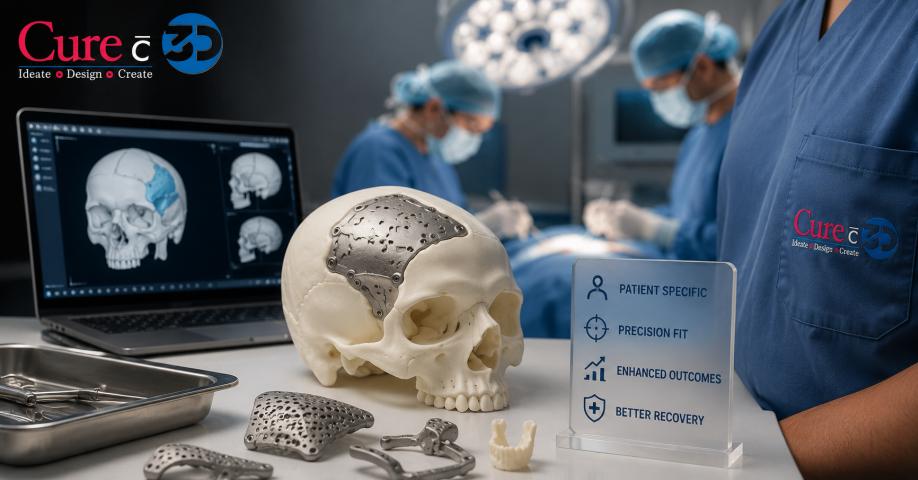
With the rise of 3D printing implants, manufacturers like Curewith3D now create highly accurate patient specific implants that match individual anatomy, leading to better surgical outcomes.
Different Types of Orthopedic Implants
There are several types of orthopedic implants, each designed for a specific purpose:
Plates:
Orthopaedic plates are flat metal strips used to keep fractured bones in the correct position. They help bones heal straight and strong.Screws:
These small but strong devices hold bone fragments together securely.Rods and Nails:
Long metal implants placed inside large bones such as arms or legs to provide internal support and strength.Wires and Pins:
Commonly used for small bones or pediatric cases. These implants are easy to remove once healing is complete.
Thanks to 3D printed medical implants, these devices can now be customized for each patient, improving comfort and recovery time.
Why Are Orthopedic Implant Manufacturers Important?
Orthopedic implant manufacturers play a crucial role in modern healthcare. When bones or joints are damaged, proper treatment is necessary to restore movement and reduce pain. Just like dental implants help replace missing teeth, orthopedic implants help repair damaged bones and joints.
Manufacturers such as Curewith3D focus on developing high-quality implants that meet medical standards and patient needs. These implants are required for many reasons:
Repairing broken or fractured bones
Replacing damaged knee or hip joints
Correcting bone deformities present from birth
Supporting weak or improperly grown bones
Improving mobility and quality of life
In cities like Delhi, advanced orthopedic care supported by innovative implant manufacturers has become more accessible than ever.
What Are Orthopaedic Implants Made Of?
Orthopedic implants are made from materials that are strong, durable, and biocompatible:
Stainless Steel:
Commonly used for plates and screws due to its strength and corrosion resistance.Titanium:
Lightweight and highly compatible with the human body, making it ideal for long-term implants.Cobalt-Chromium:
Often used in artificial joints because of its durability.Ceramics:
Smooth and wear-resistant, commonly used in joint replacements.Plastics:
Flexible materials used in knee and hip replacements for smooth movement.
Modern 3D printing implants allow these materials to be shaped with extreme precision for better performance.
How Do Doctors Use Orthopaedic Implants?
When a patient suffers a bone injury, doctors first examine the damage using X-rays or scans. Based on the severity of the fracture, they decide which implant is needed. During surgery, implants such as plates or rods are placed to stabilize the bone.
After surgery, patients must rest and follow a rehabilitation plan. Healing time depends on the type of implant and injury. Over time, the bone heals around the implant, regaining strength and alignment. Advanced solutions from Curewith3D help ensure faster recovery and better comfort.
Conclusion
Orthopedic implants have transformed the way bone injuries and joint problems are treated. From fracture fixation to knee and hip replacements, these medical devices play a vital role in restoring mobility and reducing pain. With advancements like patient specific implants and 3D printed medical implants, treatment has become more precise and effective.
Curewith3D, a trusted name in orthopedic implant manufacturing, is known for delivering innovative, high-quality solutions. With years of expertise and a focus on advanced technology, Curewith3D continues to support better orthopedic care in Delhi and beyond.
Frequently Asked Questions (FAQ)
1. How long do orthopedic implants last?
Modern orthopedic implants can last anywhere between 15 to 20 years, depending on usage and patient care.
2. Is it necessary to remove orthopedic implants?
Not always. If the implant does not cause pain or complications, it can remain in the body permanently.
3. Does bone grow around a metal plate?
Yes, in many cases bone grows around the plate as part of the natural healing process.