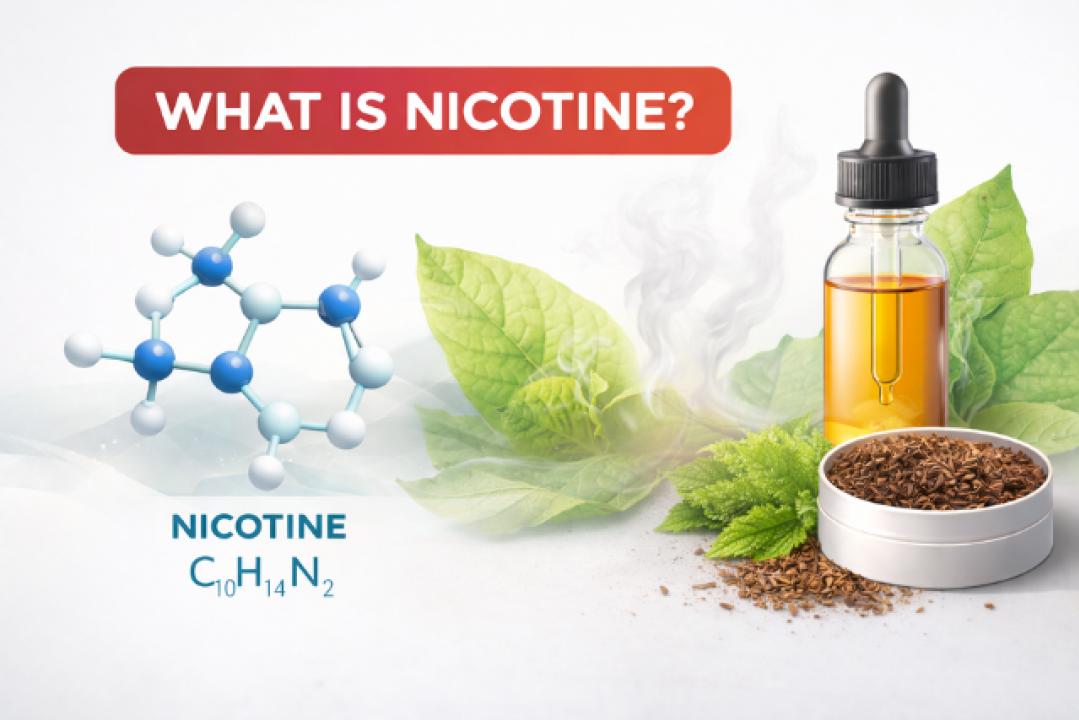
Nicotine is a naturally occurring chemical compound found primarily in tobacco plants. It is classified as an alkaloid and is best known for its stimulating effects on the human nervous system. Nicotine acts quickly on the brain, releasing neurotransmitters such as dopamine, which can create temporary feelings of pleasure, alertness, and relaxation. Because of these effects, nicotine is considered highly addictive, even though it is not the main cause of smoking-related diseases.
Nicotine can enter the body in several ways, including smoking, vaping, chewing tobacco, nicotine gums, patches, lozenges, and modern nicotine pouches. As nicotine products diversify, questions often arise about accidental exposure, such as What Happens If You Accidentally Swallow a Zyn Pouch, especially among first-time users who are unfamiliar with smokeless nicotine formats.
How Nicotine Affects the Body
Once nicotine enters the bloodstream, it reaches the brain within seconds. It stimulates the release of adrenaline, increasing heart rate, blood pressure, and breathing. At the same time, it triggers dopamine release, which reinforces repeated use and contributes to dependency.
Short-term effects of nicotine may include improved concentration, reduced appetite, and mild mood elevation. However, frequent exposure can lead to tolerance, meaning higher doses are needed to achieve the same effects. Over time, this cycle increases the risk of addiction and withdrawal symptoms such as irritability, headaches, anxiety, and difficulty concentrating.
Is Nicotine Harmful?
Nicotine itself is not classified as a carcinogen, but it is far from harmless. It places stress on the cardiovascular system, can negatively impact brain development in adolescents, and may worsen existing heart conditions. In pregnant individuals, nicotine exposure can affect fetal development and increase the risk of complications.
While many people associate health risks mainly with smoking, it’s important to understand that nicotine—regardless of the delivery method—still affects the body. The difference lies in how much exposure occurs and whether other harmful substances are involved, such as tar and carbon monoxide found in cigarettes.
Nicotine in Smokeless and Alternative Products
In recent years, smokeless nicotine products have gained popularity as alternatives to traditional smoking. These include nicotine pouches, gums, lozenges, and patches. Nicotine pouches, in particular, are designed to be placed between the gum and lip, allowing nicotine absorption without combustion or smoke.
Although these products eliminate smoke-related toxins, they still deliver nicotine to the body. Users may experience side effects such as nausea, hiccups, gum irritation, or dizziness—especially if they are new to nicotine or use higher strengths than needed.
Nicotine Addiction and Dependence
Nicotine addiction develops because the brain begins to rely on regular nicotine intake to maintain normal dopamine levels. Over time, users may feel the need to consume nicotine not for pleasure, but simply to avoid withdrawal symptoms.
Dependence can occur even with non-smoking products. This is why controlled usage, proper dosing, and awareness of nicotine strength are essential, particularly for individuals using nicotine for smoking cessation or harm-reduction purposes.
Can Nicotine Be Used for Smoking Cessation?
Nicotine replacement therapies (NRTs) such as patches, gums, and lozenges are widely used to help people quit smoking. These products aim to reduce withdrawal symptoms while gradually lowering nicotine dependence. When used correctly, NRTs can be an effective part of a quit plan.
However, misuse or long-term dependence on any nicotine product may undermine cessation efforts. Behavioral support and medical guidance often improve success rates for individuals trying to quit nicotine altogether.