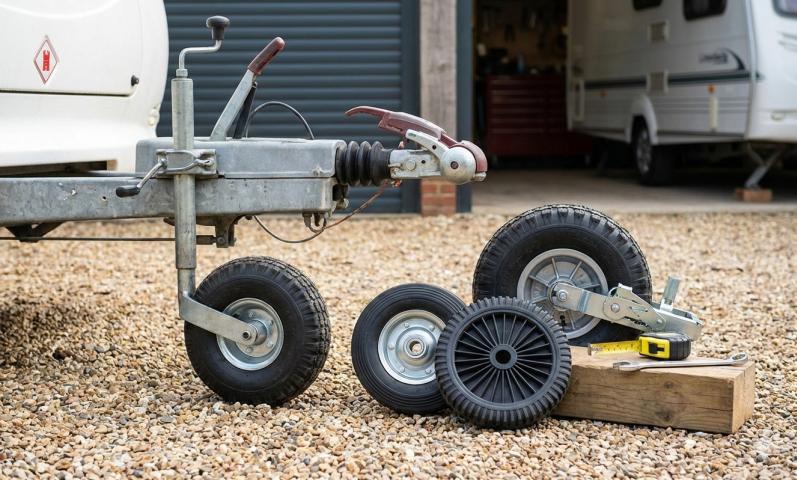
Selecting the right jockey wheel for your trailer or caravan makes a significant difference in how easily you maneuver your vehicle. This essential component supports your trailer's coupling when disconnected from your tow vehicle, allowing you to move it around your property, campsite, or storage area with minimal effort. Understanding the key factors that influence your choice ensures you invest in equipment that serves your needs reliably for years to come.
Understanding Jockey Wheel Basics
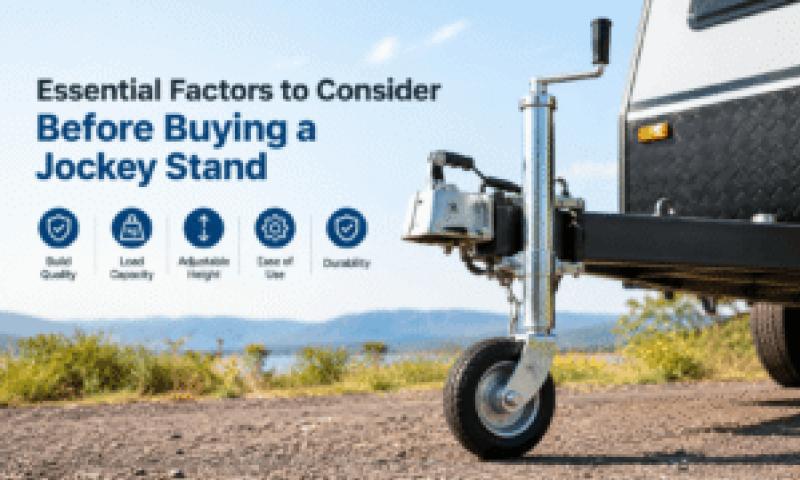
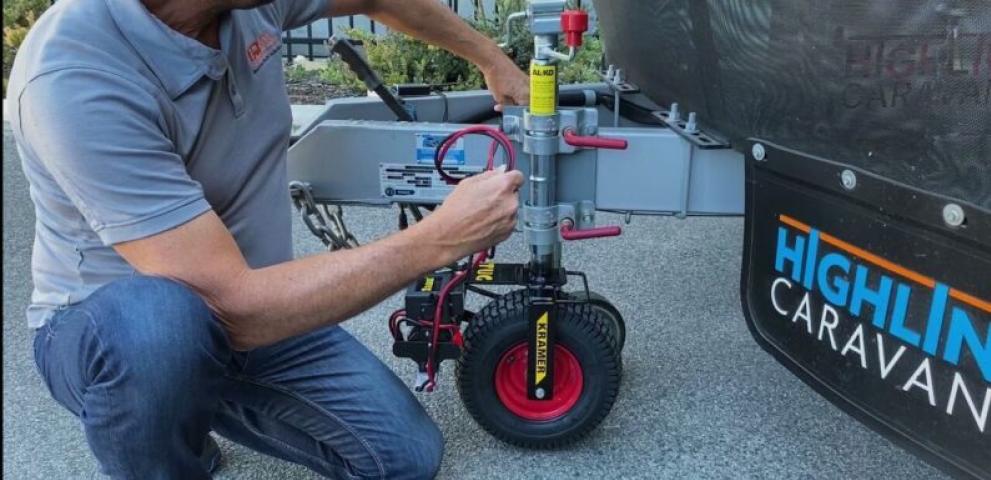
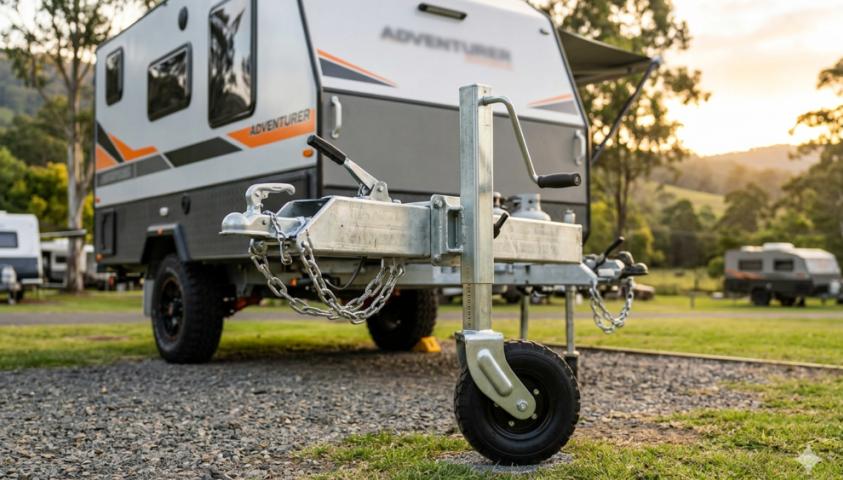
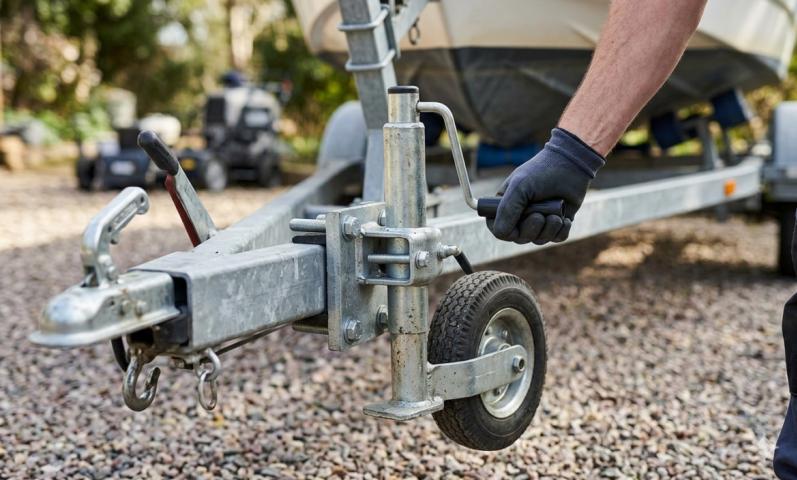
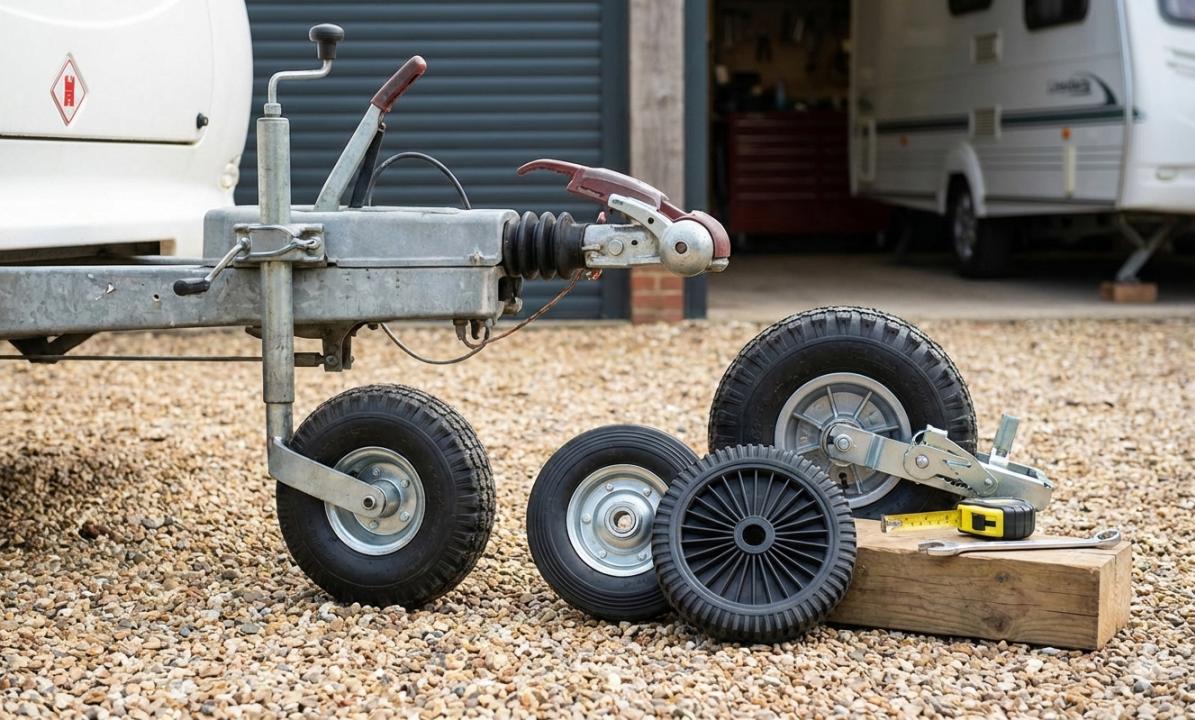
A jockey wheel attaches to your trailer's A-frame or drawbar and provides a third wheel that supports the front end when you unhitch from your vehicle. You use it to raise and lower the coupling height for hitching and to move your trailer short distances manually. The camper trailer jockey wheel operates through a hand-cranked mechanism that extends or retracts a telescoping shaft, giving you precise control over the coupling height.
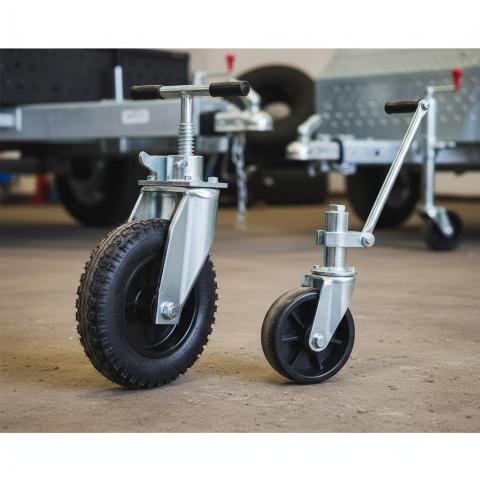
Most jockey wheels feature either a solid tire or a pneumatic (air-filled) tire. The wheel diameter typically ranges from 6 to 10 inches, with 8 inches being the most common size for recreational trailers and caravans. The mechanism houses internal gears that provide mechanical advantage, reducing the effort you need to lift heavy loads.
Weight Capacity Considerations
The weight capacity stands as the most critical specification when choosing a jockey wheel. You need to calculate your trailer's ball weight, which represents the downward force the coupling exerts on your tow ball when loaded. For trailers, this typically ranges from 10% to 15% of your total trailer weight. For caravans, it usually sits between 8% and 12% of the Aggregate Trailer Mass (ATM).
Always select a jockey wheel with a weight capacity that exceeds your maximum ball weight by at least 20%. This safety margin accounts for uneven weight distribution, upgrades to your caravan, or situations where you load your trailer heavier than usual. Standard jockey wheels handle loads between 350kg and 600kg, while heavy-duty models support up to 1,000kg or more.
Wheel Type Selection
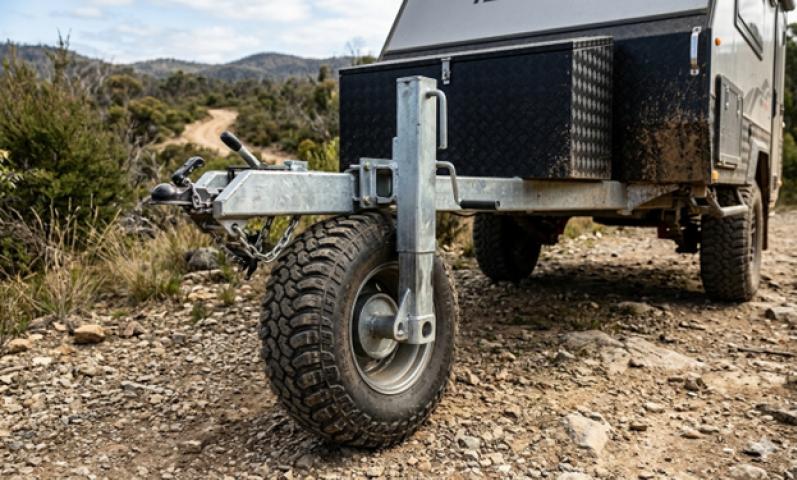
The debate between solid and pneumatic wheels affects your daily experience with your trailer. Pneumatic wheels roll more smoothly over rough terrain and absorb bumps better, making them ideal if you frequently maneuver your camper trailer jockey wheel across gravel driveways, grass, or uneven ground. They provide better traction and require less physical effort to push your trailer around.
However, pneumatic wheels can puncture and require periodic pressure checks. Solid wheels eliminate maintenance concerns entirely and never go flat, making them perfect for paved surfaces or situations where you need absolute reliability. They work exceptionally well in storage facilities or on concrete pads where you don't encounter rough terrain.
Some manufacturers now offer foam-filled wheels that combine the benefits of both types. These wheels provide cushioning similar to pneumatic tires but cannot puncture, offering an excellent middle-ground solution.
Construction Materials and Durability
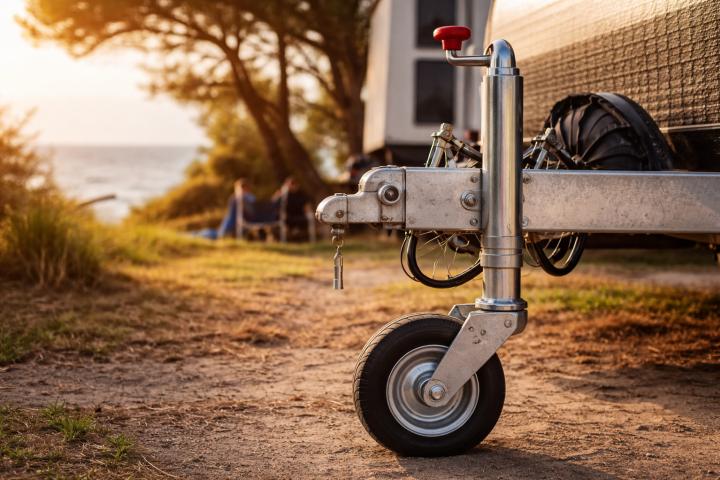
Quality jockey wheels use robust materials that withstand Australian conditions. Look for models with galvanized steel or powder-coated steel construction that resists rust and corrosion. Stainless steel components cost more but provide superior longevity, especially in coastal environments where salt air accelerates corrosion.
The clamp mechanism deserves particular attention. Heavy-duty U-bolt clamps with large contact surfaces distribute stress better than smaller clamps and provide more secure attachment to your trailer's A-frame. Some premium models feature through-bolt mounting systems that offer even greater security for heavy caravans.
Check the gear mechanism quality as well. Sealed internal gears protected from dust and moisture last longer and operate more smoothly than exposed mechanisms. Grease fittings allow you to maintain the gears properly, extending the jockey wheel's service life significantly.
Handle Design and Ergonomics
The handle design impacts how comfortably you operate your jockey wheel. Longer handles provide better leverage, reducing the effort needed to raise heavy loads. Folding handles save storage space and prevent damage when traveling, though they may feel less sturdy than fixed handles.
Consider handles with comfortable grips that won't slip when your hands are wet or dirty. Some models feature ergonomic designs that reduce strain on your wrists during extended cranking sessions. The handle should lock securely in the stored position to prevent rattling during travel.
Mounting Compatibility
Your trailer's A-frame dimensions determine which jockey wheels fit properly. Measure the diameter of your A-frame tube before shopping. Most jockey wheels accommodate either 50mm or 60mm diameter tubes, though adjustable clamps can handle a range of sizes.
The mounting height also matters. Ensure the jockey wheel's adjustment range allows you to raise your coupling high enough for hitching and lower it sufficiently for stable parking. Some camper trailer jockey wheel models offer extended travel ranges specifically designed for off-road trailers with higher ground clearance.
Additional Features Worth Considering
Modern jockey wheels often include helpful extras. Built-in spirit levels help you park your caravan perfectly horizontal for optimal refrigerator operation and comfort. Integrated footplates provide stability when parking on soft ground and give you a platform to step on for extra leverage when cranking.
Some models feature quick-release mechanisms that let you remove the jockey wheel entirely for storage or when using a weight distribution hitch. This versatility proves valuable if you switch between different towing setups regularly.
Safety pins prevent accidental collapse during operation, while locking mechanisms deter theft at campsites or storage facilities.
Making Your Final Decision
Choosing the right jockey wheel requires balancing your budget against your specific needs. Don't compromise on weight capacity or build quality to save money, as a failed jockey wheel can damage your coupling or cause injury.
Consider your typical usage patterns. If you frequently move your trailer on rough terrain, invest in a pneumatic wheel model with extended travel range. For occasional use on paved surfaces, a solid wheel with standard specifications serves perfectly well.
Read reviews from other caravan and trailer owners to identify brands with proven reliability. A quality jockey wheel from a reputable manufacturer represents a worthwhile investment that enhances your towing experience and protects your valuable trailer or caravan for many years ahead.