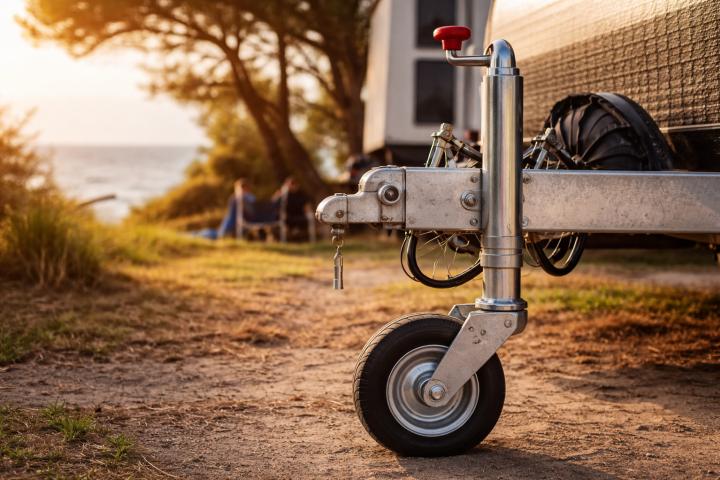
Australia's diverse and often harsh environments put unique demands on your camping equipment. Your camper trailer jockey wheel works harder here than almost anywhere else in the world. From red dust in the outback to salt spray on coastal tracks, Australian conditions accelerate wear and tear on this critical component.
Understanding the right service intervals for your camper trailer jockey wheel can mean the difference between a smooth adventure and a frustrating breakdown in remote locations. Let's explore how Australia's unique conditions affect your jockey wheel and establish a maintenance schedule that keeps you moving.
Understanding Your Camper Trailer Jockey Wheel
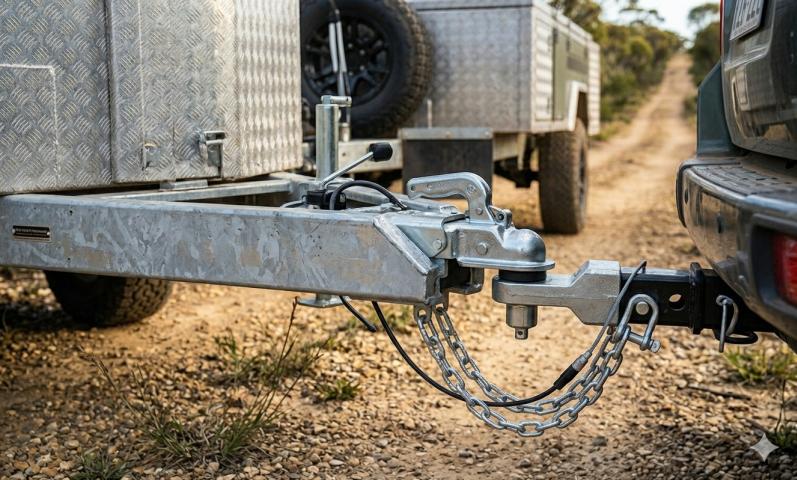
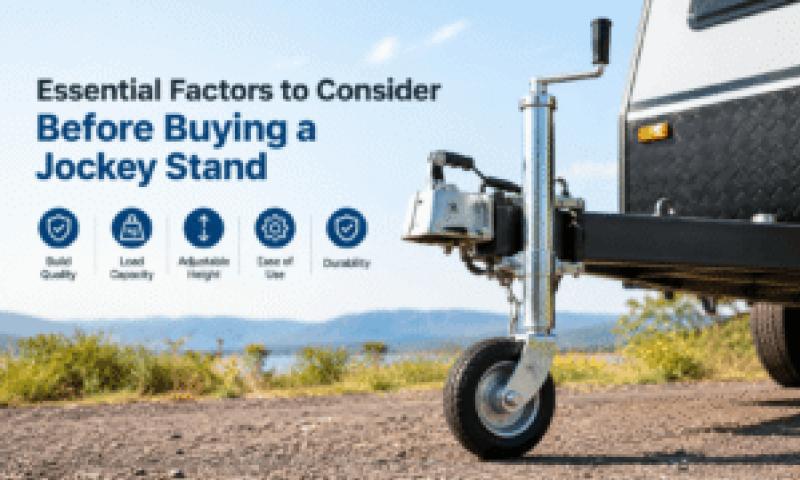
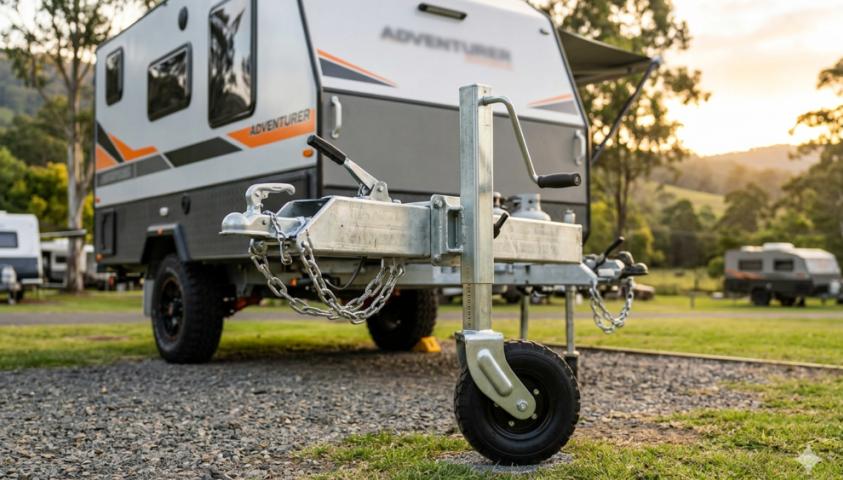
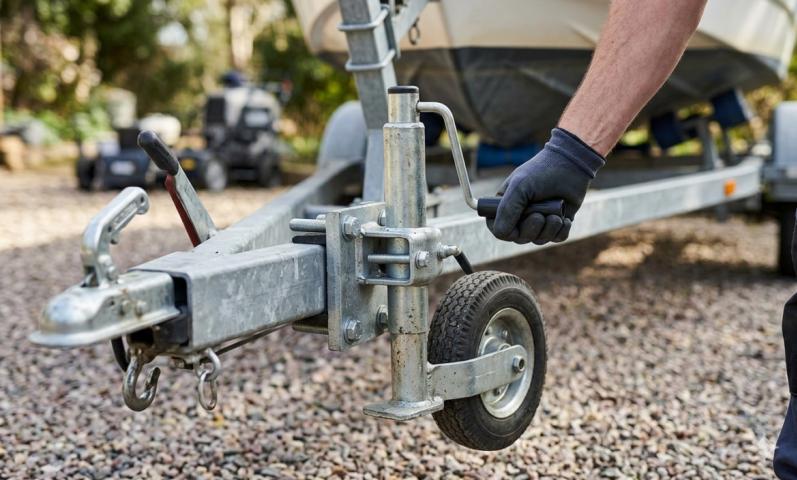
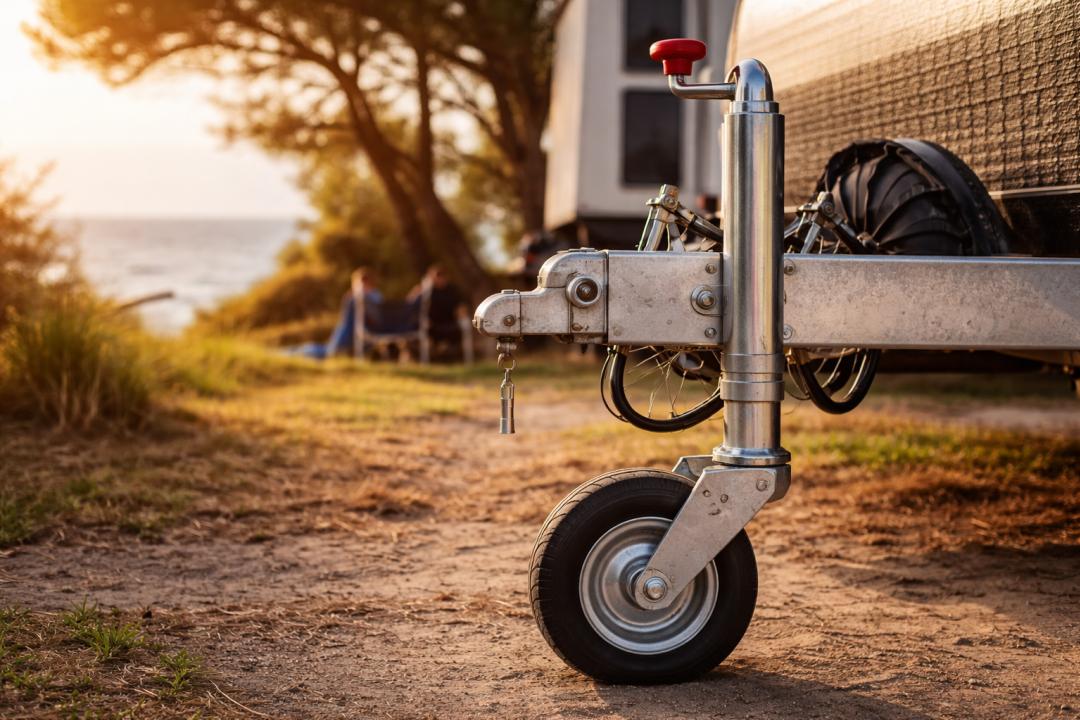
Your camper trailer jockey wheel serves as the third point of contact when your trailer is disconnected from your vehicle. This seemingly simple device bears significant weight and endures constant stress during hitching, unhitching, and maneuvering. The mechanism typically includes a clamp, winding handle, gearbox, and wheel assembly—all components that require regular attention in Australian conditions.
Many camper owners underestimate how much punishment their jockey wheel absorbs. Every time you wind it up or down, internal gears mesh and bearings rotate under load. Add Australian dust, sand, or saltwater into this equation, and you create an environment where components deteriorate rapidly without proper maintenance.
Standard Service Intervals vs. Australian Reality
Manufacturers typically recommend servicing your camper trailer jockey wheel every 12 months or 10,000 kilometers. However, these guidelines assume average conditions—sealed roads, moderate climates, and occasional use. Australian camping rarely fits this description.
In our conditions, you should adopt a more aggressive maintenance schedule. The baseline recommendation for Australian camper trailer owners is servicing every six months or 5,000 kilometers, whichever comes first. This frequency doubles the manufacturer's standard but reflects the reality of our environment.
Environmental Factors That Accelerate Wear
Outback Dust and Red Sand
The Australian outback generates fine, penetrating dust that infiltrates every mechanical component. This abrasive material acts like grinding paste in your jockey wheel's gearbox and bearings. Red sand from central Australia is particularly notorious for causing premature wear. If you regularly travel outback tracks, inspect your camper trailer jockey wheel after every major trip and service it every three to four months.
Coastal Salt Exposure
Beach camping exposes your jockey wheel to salt-laden air and occasional saltwater splashes. Salt accelerates corrosion dramatically, particularly on steel components. Coastal campers should rinse their jockey wheel with fresh water after every beach trip and consider monthly inspections with quarterly full services.
Tropical Humidity
Northern Australia's tropical conditions combine high humidity with heavy rainfall. This environment promotes rust formation and lubricant breakdown. Your camper trailer jockey wheel needs protection through regular greasing and inspection every two to three months if you camp in tropical regions regularly.
Temperature Extremes
Australian temperatures swing from below freezing in alpine regions to over 50 degrees Celsius on summer roads. These extremes cause lubricants to thin or thicken beyond their effective range, and materials expand and contract repeatedly. Temperature cycling alone justifies more frequent servicing than you'd need in milder climates.
What Does Proper Service Involve?
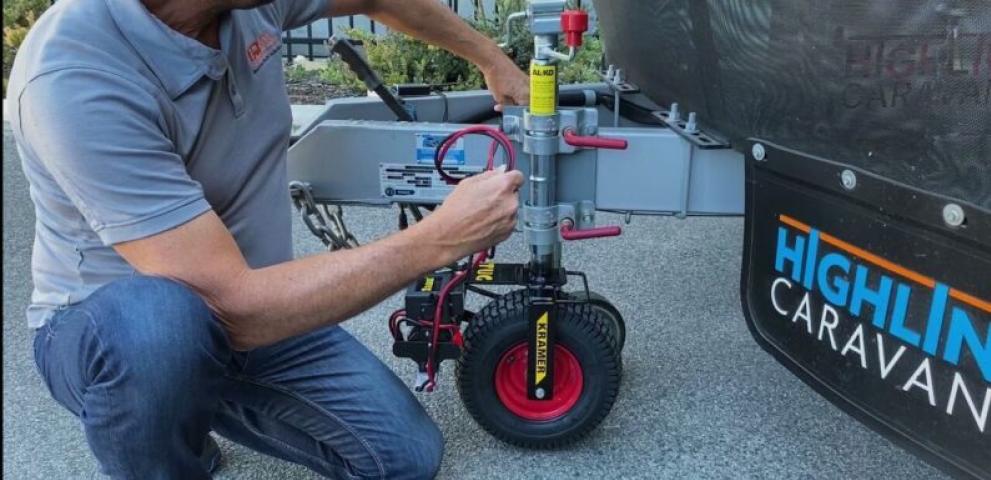
A comprehensive camper trailer jockey wheel service includes several critical steps. First, you clean all external surfaces thoroughly, removing accumulated dirt, sand, and salt deposits. Next, you disassemble the clamp and wind mechanism, inspecting for wear, cracks, or deformation.
The gearbox requires particular attention. You should flush out old grease and contaminants, then repack the gears with marine-grade or high-temperature grease appropriate for Australian conditions. Inspect all bearings for roughness or play, replacing them at the first sign of wear.
Check the wheel itself for damage, ensure the tire maintains proper pressure, and verify that all bolts and pins remain secure. Finally, lubricate moving parts and test the complete mechanism under load before considering the service complete.
Signs You Need Immediate Service
Don't wait for your scheduled interval if you notice warning signs. Grinding noises when winding indicate contaminated gears or dry bearings. Excessive play in any direction suggests worn bearings or loose mounting bolts. Difficulty winding up or down often means contamination or damaged gears.
Visible rust, particularly around the clamp or winding shaft, demands immediate attention. In coastal areas, surface rust can progress to structural damage within weeks. If your camper trailer jockey wheel wobbles, binds, or feels unstable, stop using it and service it immediately.
Preventive Maintenance Between Services
You don't need to wait for full service intervals to protect your investment. After every camping trip, especially in dusty or coastal areas, brush or blow dust from the mechanism and apply a light coating of protective spray. Cover your jockey wheel when the trailer sits unused to minimize environmental exposure.
Keep a small tube of grease in your camping kit for field maintenance. A quick application to exposed moving parts during extended trips prevents problems from developing. This takes five minutes but significantly extends the life of your camper trailer jockey wheel.
Upgrading for Australian Conditions
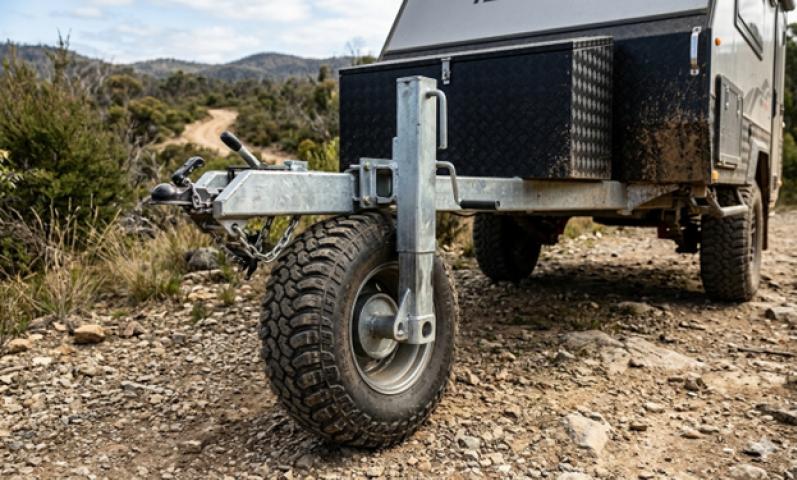
Consider upgrading to a heavy-duty jockey wheel designed for off-road use. These models feature sealed bearings, corrosion-resistant materials, and robust construction that handles Australian conditions better than standard units. While more expensive initially, they require less frequent service and last considerably longer.
Stainless steel components resist corrosion in coastal areas, while models with replaceable gearboxes simplify major repairs. Some advanced designs include dust boots and sealed housings that keep contaminants away from critical components.
Conclusion
Your camper trailer jockey wheel deserves respect and regular attention, especially in Australian conditions. Adopt a six-month or 5,000-kilometer baseline service interval, then adjust based on your specific camping >
Remember that prevention costs far less than breakdown repairs in remote locations. A well-maintained jockey wheel ensures you spend time enjoying Australia's incredible camping destinations rather than struggling with equipment failures. Make servicing part of your pre-trip checklist, and your camper trailer jockey wheel will reliably support thousands of kilometers of adventure across this remarkable continent.
Source: https://www.ranksrocket.com/how-to-maintain-your-jockey-wheel-for-longevity-performance/