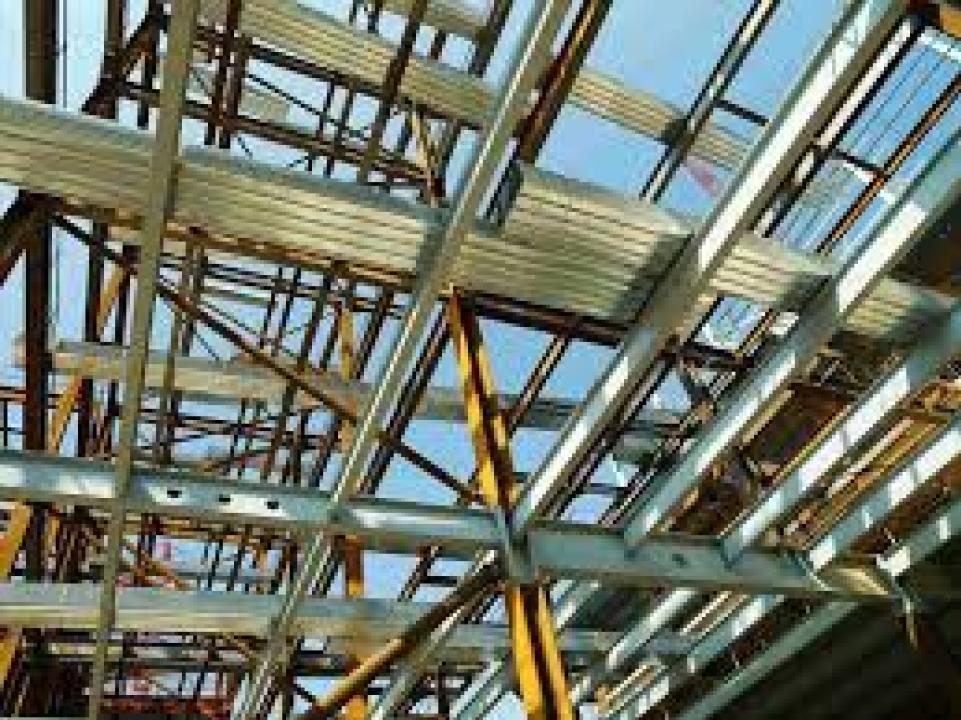
Buildings rely on smart structural choices that support safety for many years. Every material and connection shapes how well a structure handles weight, movement, and change. Steel Beam selection plays a central role because it carries loads and links the entire frame. When builders choose carefully, strength spreads evenly and risk drops. Poor decisions, however, invite stress, cracks, and early wear. For the frame sets the base for all other elements, thoughtful planning at this stage protects both people and property over time.
Why Beam Choice Shapes Safety
- Supports floors, walls, and roofs
- Spreads loads across the frame
- Resists heat, wind, and ground shift
A strong steel sheet integration with steel beams anchors the building because it holds the frame in balance. Stress moves across joints and corners, so the whole form stays firm. While poor choices strain the frame, sound picks steady the structure. Builders who match beam type to load protect lives and property.
The Role of Strength Grades
Steel comes in grades that show strength and stretch. Each grade suits a task. Heavy loads need higher grades, while light spans need less. Even if the right grade prevents bending and breaking, it supports safety across years.
Load, Span, and Fit
- Measures weight from floors and roofs
- Matches beam depth to span.
- Aligns with walls and columns
Beams must match span and weight because size shapes strength. A short span needs a different profile than a wide hall. Since each space acts uniquely, design must guide selection. Yet rules stay simple: right size, right grade, right placement.
Balance Across the Frame
Balance keeps a building calm. When loads are spread in equal paths, strain drops. While uneven load pulls joints apart, an even spread keeps them tight. Designers plan this balance before work starts.
Design Choices That Guard Safety
- Chooses shapes for each space
- Plans paths for force travel
- Avoids weak corners
Design sets the path for safety. A clear plan guides the force through beams into columns and the ground. For this force seeks the weakest path, smart design removes weak spots. While good plans take time, they save effort later.
Shape Matters
I-shapes, box forms, and channels each serve roles. Some resist bending, while others resist twisting. Since each shape handles force in a way, designers must match shape to need.
How Sheets Work With Beams
- Add surface strength to frames.
- Guard edges and joints
- Shape walls and floors.
When teams plan bean frames gain unity. Sheets bind parts and share force because they spread the load across faces. They shield inner members from wear. A single steel sheet can stiffen panels and smooth load flow when placed with care.
Shear and Support
Sheets act as skins. They resist sliding across frames and stop sway. While beams carry weight, sheets hold shape. This bond adds safety to walls and floors.
Joints That Last
- Lock parts into one frame.
- Stop shift and shake.
- Hold under load
Good joints lock pieces together. Welds and bolts must grip clean steel because loose joints invite movement. Tight joints stop the shift, so they slow fatigue. Crews must cut, align, and fix with skill to reach this goal.
Precision at Connections
A small gap can grow into a fault. When parts meet clean, force flows with ease. Since joints face high stress, care at this stage shapes long life.
Protection From Heat and Fire
- Slows strength loss
- Guards escape paths
- Buys time for rescue
Steel weakens under heat. Fire plans add layers that shield beams from heat rise. Even time saves lives; this protection is vital. While a steel sheet does not burn, it can soften, so cover and space matter.
Planning Fire Paths
Designers map fire paths and add breaks. These breaks stop heat spread. When heat slows, beams keep their shape longer.
Weather and Climate Effects
- Handles rain and damp
- Resists rust
- Adapts to heat and cold
Climate shapes wear. Moist air brings rust, while heat brings shift. For steel, coatings and gaps matter. While weather tests frames, planning keeps them strong.
Coatings and Care
Paints and wraps shield steel from air and water. When teams choose the right coat, beams last longer. Care plans extend life across years.
Movement and Flex
- Allows safe bend
- Stops crack spread
- Supports comfort
Buildings move. Heat, load, and ground shift cause flex. Steel sheet integration with steel beams handles this movement well because it bends before breaking. Designers allow space for this flex, so cracks stay small.
Ground and Frame Response
Soil moves with time. Beams link the ground to the frame. When movement spreads across members, stress drops.
Inspection During Build
- Checks size and fit
- Finds flaws early
- Confirms plan match
Checks during build guard safety. Teams inspect beams before covering. For early checks catch flaws, fixes stay small. While later fixes cost more, early care saves time and trust.
Clear Records
Records track each step. When notes stay clear, teams spot gaps. This habit supports future checks.
Planning for Time
- Choose grades that match the climate
- Allow for movement and heat.
- Inspect during build
Buildings age. Yet smart choices slow harm because they plan for change. While weather and use test frames, solid planning keeps them firm. Regular checks during build catch flaws early and save future repairs.
Long-Term Use and Change
- Supports new loads
- Adapts to new rooms
- Holds under growth
Buildings face change. New floors, tools, or people add load. When beams allow spare strength, change stays safe. This foresight protects owners and users.
Retrofit and Repair
Older frames need care. Steel accepts repair with added plates or supports. When done right, strength returns without a full rebuild.
Final Thought
Long-term safety grows from clear decisions made at the start of a project. Design, material quality, and skilled fitting work together to support lasting strength. A well-chosen steel beam helps the structure face load, climate, and daily use without strain. When teams plan for movement, weather, and future change, buildings stay stable and dependable. Strong frames reduce repair needs and improve trust. In the end, careful choices today shape safer spaces for many years ahead.
FAQ
Q 1: Why does beam selection affect building safety?
Beam selection controls how weight moves through a structure. The right choice prevents uneven stress, limits movement, and reduces the risk of cracks. This balance helps buildings remain stable and safe over long periods.
Q 2: How do design decisions influence structural lifespan?
Design guides how forces travel across a frame. Clear layouts avoid weak points and support an even load spread. Good planning reduces wear on joints and helps structures handle daily use and future changes.
Q 3: Why are joints important in long-term performance?
Joints connect all structural parts. Strong, precise connections stop movement and reduce fatigue. When joints stay firm, the entire frame works as one unit and resists damage from load and motion.
Q 4: How does regular inspection improve safety?
Inspection finds issues before they grow. Early checks confirm correct fitting and alignment. This process allows timely fixes, lowers repair effort, and helps the structure maintain strength and reliability over time.