Buying car insurance in 2026 is no longer just about fulfilling a legal requirement. When you buy car insurance today, evolving regulations, smarter vehicles, digital policy management, and more informed consumers have turned it into a critical financial decision that directly affects long-term costs and claim experience.
Whether you are purchasing insurance for a new car or renewing an existing policy, understanding the fine details before you buy car insurance can help you avoid underinsurance, claim rejections, and unnecessary premium outflow. This guide explains the most important things you should know before buying car insurance in 2026, helping you make a confident and well-informed decision.
1.
Understand the Types of Car Insurance Policies
Before buying car insurance, it is
essential to know the difference between the available policy types.
- Third-Party Car Insurance: Covers damages or injuries caused to a third party. It
is mandatory by law but does not cover your own vehicle.
- Comprehensive Car Insurance: Covers third-party liabilities along with damage to
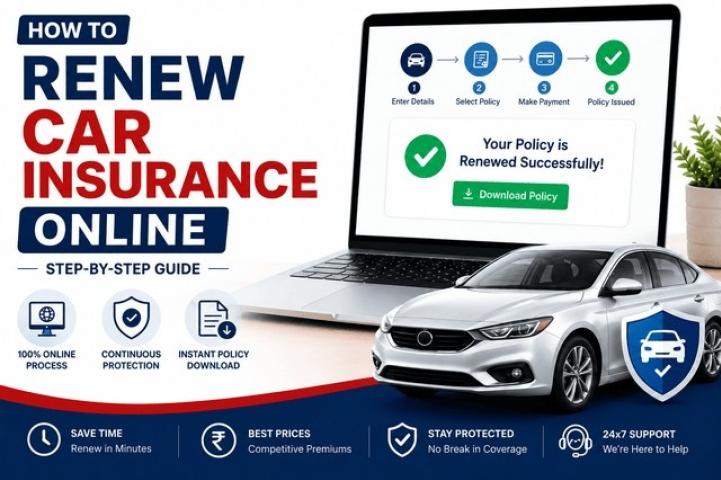
your own vehicle due to accidents, theft, fire, or natural calamities.
- Standalone Own Damage Policy: Covers damage to your own car and is usually purchased
when third-party insurance is bought separately.
In 2026, most vehicle owners prefer
comprehensive policies because of broader coverage and flexibility.
2.
Do Not Choose a Policy Based on Price Alone
One of the most common mistakes
buyers make is choosing the cheapest policy. A low premium often means limited
coverage, higher deductibles, or missing add-ons that matter during claims.
Instead of focusing only on cost,
evaluate:
- Coverage scope
- Claim settlement reputation
- Network garages
- Add-on benefits
- Deductibles and exclusions
A slightly higher premium can save
significant expenses during repairs or emergencies.
3.
Choose the Right Insured Declared Value (IDV)
IDV represents the maximum amount
your insurer will pay if your car is stolen or declared a total loss. Many
buyers opt for a lower IDV to reduce premium, but this can lead to financial
loss at the time of claim.
Before you buy car insurance in
2026:
- Ensure the IDV reflects your car’s correct market value
- Avoid under-declaring or over-declaring the value
- Balance premium affordability with realistic coverage
An accurate IDV ensures fair
compensation when it matters most.
4.
Evaluate Add-On Covers Carefully
Add-ons are optional benefits that
enhance your base policy. In 2026, add-ons have become more relevant due to
rising repair costs and advanced vehicle technology.
Some useful add-ons include:
- Zero Depreciation Cover
- Engine Protection Cover
- Roadside Assistance
- Return to Invoice Cover
- Consumables Cover
Choose add-ons based on your driving
habits, location, and vehicle age rather than opting for all of them blindly.
5.
Check the Claim Settlement Process
A policy is only as good as its
claim experience. Before buying car insurance, understand how claims are
handled.
Key things to check:
- Claim settlement ratio consistency
- Availability of cashless garages near your location
- Turnaround time for claims
- Transparency in documentation requirements
A smooth and timely claim process
reduces stress during already difficult situations.
6.
Disclose Accurate Vehicle and Personal Details
Providing incorrect information
while buying car insurance can lead to claim rejection later. In 2026, insurers
rely heavily on digital verification, making accuracy even more important.
Ensure you disclose:
- Correct registration details
- Vehicle modifications, if any
- Previous claim history
- Correct usage (private or commercial)
Honest disclosure builds trust and
ensures uninterrupted coverage.
7.
Understand Policy Exclusions Clearly
Many disputes arise because buyers
do not read policy exclusions. These are situations where the insurer will not
pay a claim.
Common exclusions include:
- Driving under the influence
- Wear and tear
- Mechanical or electrical breakdown
- Driving without a valid license
Knowing exclusions upfront helps set
realistic expectations and prevents unpleasant surprises.
8.
Consider No Claim Bonus (NCB) Benefits
If you have not made a claim in
previous policy years, you are eligible for a No Claim Bonus, which can
significantly reduce your premium.
Important points about NCB:
- It belongs to the policyholder, not the car
- It can be transferred when changing insurers
- It can reduce premiums substantially over time
Always ensure your NCB is correctly
reflected before you buy or renew car insurance.
9.
Online Purchase vs Offline Purchase
In 2026, most car insurance
purchases happen online due to convenience and transparency. Online platforms
allow easy comparison, instant policy issuance, and quick renewals.
However, the key is not where you
buy, but how well you understand what you are buying. Whether online or
offline, clarity of coverage matters more than the purchase mode.
10.
Review Policy Terms Every Year
Car insurance is not a one-time
decision. Your coverage needs may change due to:
- Vehicle aging
- Increased usage
- Relocation to a new city
- Changes in repair costs
Reviewing your policy annually
ensures it remains relevant and cost-effective.
Conclusion
Buying car insurance in 2026
requires more awareness than ever before. From choosing the right policy type
and IDV to understanding exclusions and add-ons, each decision directly impacts
your financial safety and claim experience.
This is where Square Insurance
plays a valuable role by helping car owners compare policies clearly,
understand coverage details, and choose insurance that truly fits their needs.
With the right guidance, buying car insurance becomes a confident and informed
decision rather than a confusing obligation.
The right policy does more than
protect your car—it protects your peace of mind.
Frequently
Asked Questions
1.
Is third-party insurance enough in 2026?
Third-party insurance meets legal
requirements but does not cover damage to your own vehicle. Comprehensive
insurance is recommended for better protection.
2.
Does buying car insurance online reduce premium?
Online purchases often eliminate
intermediary costs, but savings depend on coverage selection rather than the
purchase mode alone.
3.
How often should I review my car insurance policy?
You should review your policy every
year before renewal to ensure it matches your current needs.
4.
Can I change my insurer without losing benefits?
Yes, you can switch insurers while
retaining benefits like No Claim Bonus.
5.
Are add-ons necessary for new cars?
Some add-ons, such as zero
depreciation and engine protection, are particularly useful for new cars.
6.
What happens if I provide incorrect information while buying insurance?
Incorrect details can lead to claim
rejection or policy cancellation, so accuracy is essential.