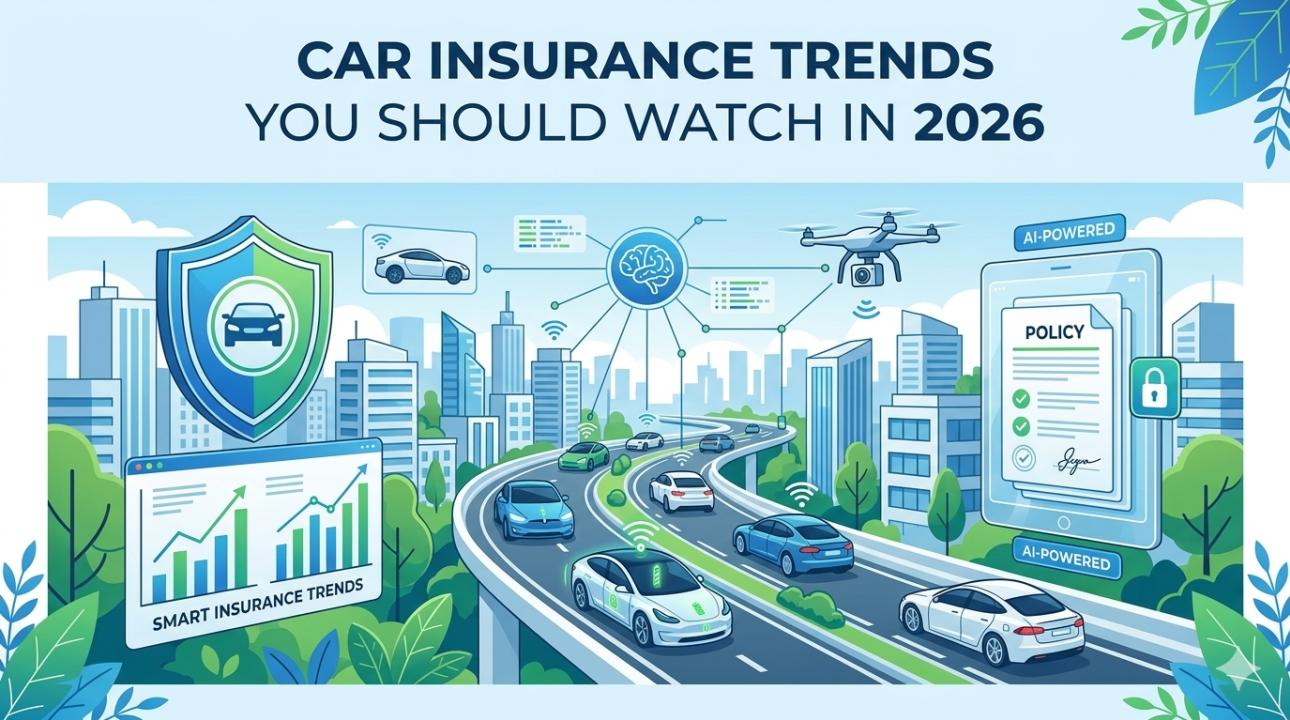
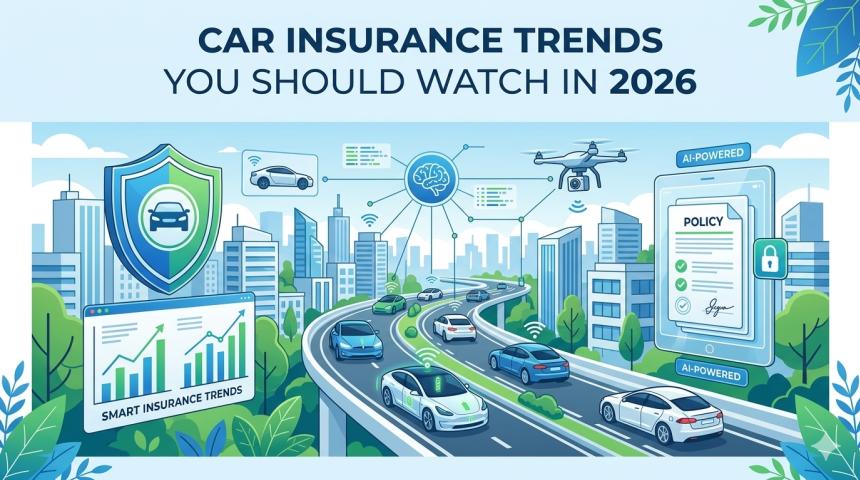
The car insurance landscape is
evolving rapidly. As technology, consumer behavior, and regulatory frameworks
continue to change, drivers and insurers alike must stay ahead of the curve.
For 2026, understanding emerging trends in car
insurance is not just helpful—it’s essential. Whether you’re a new driver,
an experienced vehicle owner, or a fleet manager, these trends will influence
how policies are priced, sold, and utilized.
1.
The Rise of Usage-Based Insurance (UBI)
One of the most significant trends
shaping car insurance is the growing adoption of usage-based insurance (UBI).
Unlike traditional policies that calculate premiums based primarily on
demographics and vehicle type, UBI leverages telematics devices to monitor
driving behavior. Factors such as mileage, braking habits, acceleration
patterns, and driving times directly influence premiums.
For drivers, this means safer
driving habits can lead to tangible financial rewards. For insurers, telematics
provides more accurate risk assessment, reducing fraud and enabling dynamic
pricing models. By 2026, usage-based policies are expected to become standard
for both personal and commercial vehicles.
2.
Integration of Artificial Intelligence in Underwriting and Claims
Artificial intelligence (AI) is no
longer a futuristic concept—it’s transforming insurance operations. Insurers
are increasingly using AI to analyze driving data, predict risk patterns,
and streamline claims processing.
AI-driven claims processing enables
faster settlement times and reduces human error. For example, image recognition
technology can assess vehicle damage from uploaded photos, automatically
calculating repair costs and expediting claims. AI also helps insurers detect
fraudulent claims, safeguarding the financial stability of the industry while
maintaining customer trust.
3.
Growth of Electric Vehicle Insurance
As electric vehicles (EVs) become
more mainstream, car insurance policies are adapting to their unique
requirements. EVs generally have higher upfront costs, specialized components,
and different repair processes compared to conventional vehicles.
Insurance providers are introducing EV-specific
policies with coverage for battery replacements, charging equipment, and
roadside assistance for electric drivetrains. Drivers adopting EVs should
expect tailored premiums that reflect both the cost and safety features of
their vehicles. By 2026, EV insurance is projected to represent a substantial
segment of the market.
4.
Personalized Insurance Packages
Consumer expectations are changing.
Modern drivers demand flexibility and customization. Insurers are responding
with personalized insurance packages, allowing drivers to choose
coverage based on individual needs rather than a one-size-fits-all approach.
Add-ons like roadside assistance,
natural disaster protection, and accident forgiveness can now be bundled
selectively. For example, a city commuter might prioritize theft and collision
coverage, while a long-distance driver may value breakdown support and higher
liability limits. Personalized insurance empowers drivers to control costs
while ensuring optimal protection.
5.
Emphasis on Cybersecurity and Connected Car Risks
With connected cars, which integrate
GPS, infotainment systems, and IoT devices, insurers face new risk landscapes.
Cybersecurity threats such as hacking, data breaches, and remote vehicle
tampering are becoming real concerns.
By 2026, cyber-risk coverage
is expected to be a standard offering within comprehensive car insurance
policies. Insurers will not only protect vehicles from physical damage but also
safeguard digital vulnerabilities, reflecting the evolving nature of driving in
a connected world.
6.
Simplified Digital-First Insurance Experience
The shift to digital platforms
continues to accelerate. Drivers now expect seamless online interactions—from
quoting and purchasing policies to filing claims and managing renewals.
Insurers investing in intuitive
mobile apps, AI-driven chatbots, and self-service portals can offer faster
responses and better customer satisfaction. By 2026, fully digital, end-to-end
car insurance experiences will be commonplace, reducing paperwork and
administrative delays for both policyholders and insurance companies.
7.
Increased Focus on Sustainability and Green Insurance
Environmental concerns are
influencing insurance decisions. Companies are introducing green insurance
policies, rewarding drivers who use low-emission vehicles, maintain
eco-friendly driving habits, or opt for hybrid/electric cars.
Premium discounts, incentives for
car-sharing, and support for eco-friendly repairs are becoming part of standard
offerings. Sustainability-focused policies reflect not only environmental
responsibility but also evolving consumer priorities.
8.
Advanced Risk Assessment Using Big Data
Big data analytics is enabling
insurers to evaluate risk more accurately than ever before. By 2026, insurers
will use historical accident data, weather patterns, traffic density, and
driver behavior to calculate highly precise premiums.
For example, two drivers with
similar demographics but differing driving habits can receive entirely
different premiums based on predictive analytics. This trend is creating a more
transparent and fair pricing structure, rewarding safe drivers while ensuring
insurers remain financially stable.
9.
Growth in Peer-to-Peer (P2P) Car Insurance
Peer-to-peer car insurance models
are gaining traction, particularly among tech-savvy drivers. P2P insurance
allows small groups of drivers to pool their premiums and cover each other’s
claims collectively.
This approach incentivizes safe
driving, fosters community accountability, and often reduces administrative
overhead. While still emerging, P2P insurance is expected to expand in 2026,
providing an alternative to traditional insurance models.
10.
Flexible Policies for Short-Term and Part-Time Drivers
Not all drivers require year-round
coverage. In response, insurers are introducing flexible, pay-as-you-drive
policies that cater to part-time drivers, seasonal vehicle use, and
car-sharing arrangements.
This flexibility is ideal for urban drivers who rely on public transport occasionally or own a second car used only on weekends. Such models are expected to become mainstream in 2026, offering cost-effective solutions for diverse life>
Conclusion
The car insurance industry in 2026
is poised for significant transformation. From AI-driven claims processing to
usage-based policies and EV-focused coverage, the sector is becoming more technologically advanced, personalized, and
consumer-centric. Staying informed about these trends allows drivers to
make smarter insurance decisions and ensures they receive the best protection
at a fair price. For those seeking reliable options, Square Insurance offers a wide range
of policies, expert guidance, and tailored solutions to help drivers navigate
the evolving insurance landscape with confidence.
FAQs
Q1. What is usage-based insurance,
and how does it benefit drivers?
Usage-based insurance monitors driving behavior through telematics, rewarding
safe drivers with lower premiums and encouraging responsible driving habits.
Q2. How is AI changing car insurance
in 2026?
AI streamlines underwriting, speeds up claims processing, detects fraud, and
allows insurers to offer more accurate, personalized premiums.
Q3. Are car insurance policies
different for electric vehicles?
Yes. EV policies often include coverage for batteries, charging equipment, and
specialized repairs, reflecting the unique characteristics of electric
vehicles.
Q4. What is peer-to-peer car
insurance?
P2P insurance allows small groups of drivers to pool premiums and cover claims
collectively, incentivizing safe driving and reducing administrative costs.
Q5. How can new technology help
lower car insurance premiums?
Telematics, big data analytics, and AI-driven assessments reward safe driving
behavior, allowing drivers to qualify for discounts and personalized pricing.