Introduction
Owning a
bike today is not just about convenience-it’s also about being financially
prepared for unexpected situations. Understanding how insurance costs work can
help you make smarter decisions and avoid overpaying.
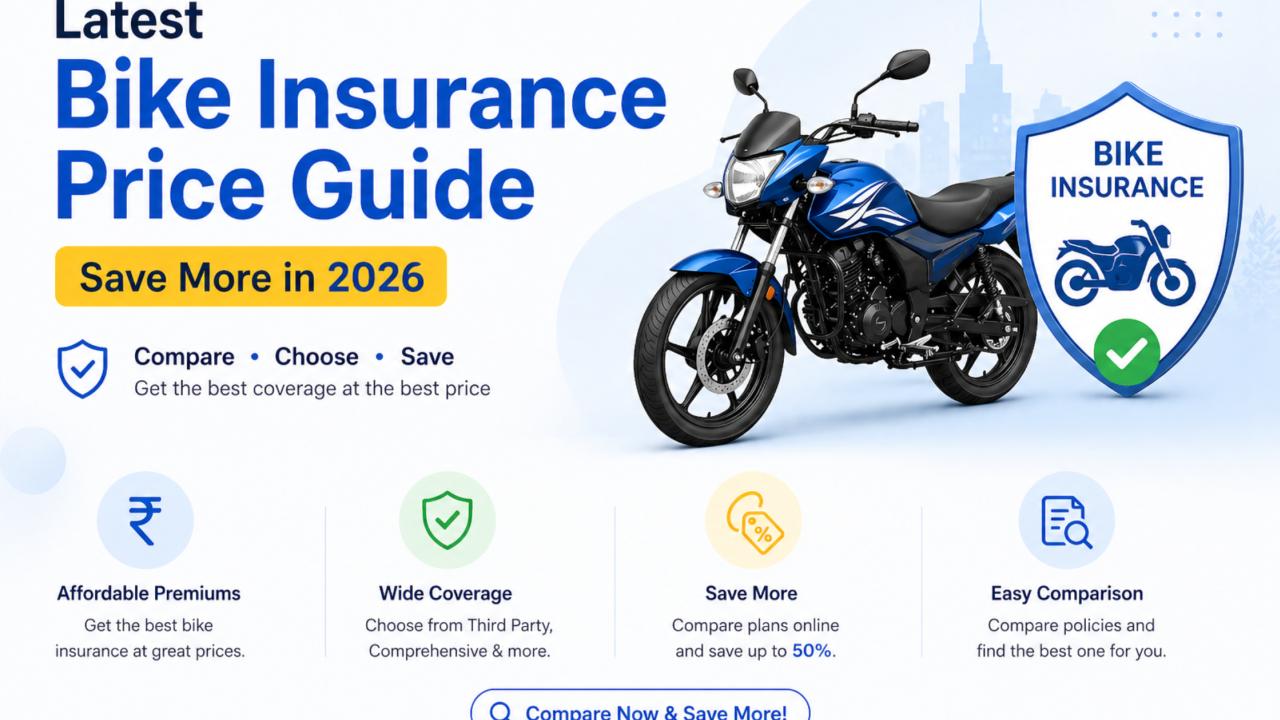
The term bike insurance price
refers to the premium you pay to secure your two-wheeler against risks like
accidents, theft, or third-party liabilities. It is influenced by multiple
factors and varies from rider to rider.
What Determines Bike Insurance Price in 2026?
Bike
insurance pricing in 2026 is more personalized than ever. Insurers use advanced
data models to calculate premiums based on several factors:
1. Type of Insurance Policy
There are
mainly two types of bike insurance policies:
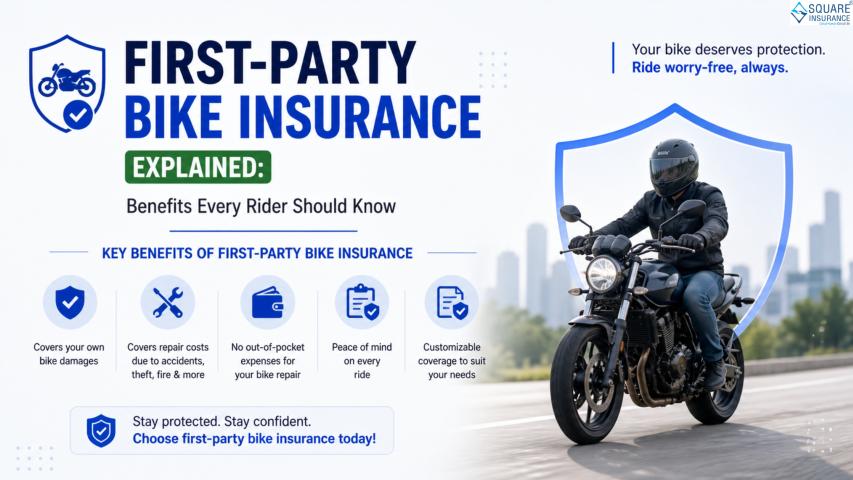
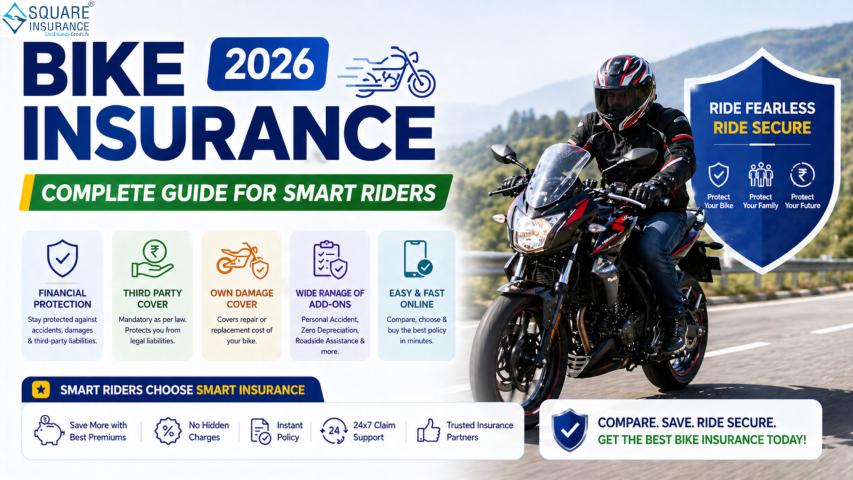
- Third-Party Insurance: Mandatory by law and
usually cheaper. Covers damage to others only.
- Comprehensive Insurance: Covers both third-party
liabilities and own damage, making it more expensive but valuable.
2. Bike Engine Capacity (CC)
The
engine capacity of your bike directly impacts the premium:
- Lower CC bikes (below
125cc): Lower premiums
- Mid-range bikes
(125cc–350cc): Moderate pricing
- High-performance bikes
(above 350cc): Higher premiums
3. Age of the Bike
- New bikes: Higher premium
due to higher insured value
- Older bikes: Lower premium
but reduced coverage value
4. Location of Registration
Urban
areas with higher traffic and theft rates generally have higher premiums
compared to rural areas.
5. No Claim Bonus (NCB)
If you
don’t make a claim during the policy period, you get a discount:
- After 1 year: Up to 20%
- After 5 years: Up to 50%
Average Bike Insurance Price in India (2026)
Here’s a
rough estimate of what you might expect to pay:
Key Add-ons That Affect Pricing
Add-ons
enhance your coverage but also increase the premium:
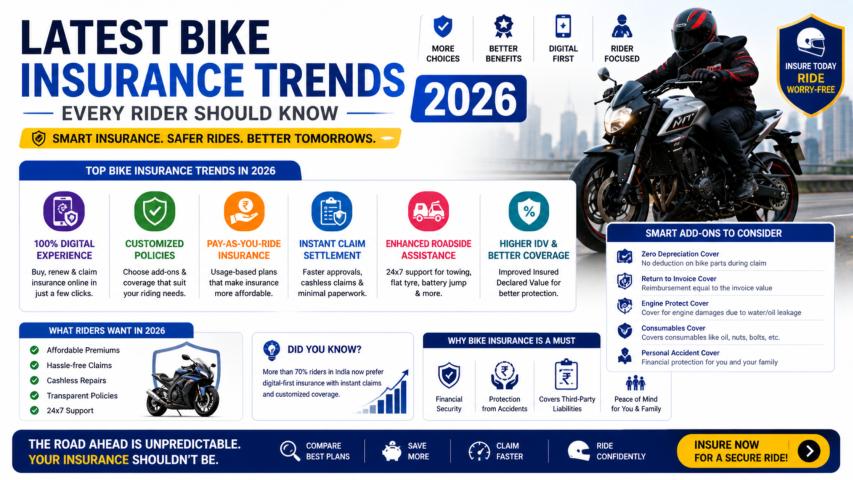
Zero Depreciation Cover
Covers
full claim without deducting depreciation. Ideal for new bikes.
Engine Protection Cover
Useful in
flood-prone areas as it covers engine damage due to water ingress.
Roadside Assistance
Provides
emergency help like towing, battery jump-start, etc.
Return to Invoice Cover
Ensures
you get the original invoice value of the bike in case of total loss.
Tips to Save on Bike Insurance in 2026
Saving
money on bike insurance doesn’t mean compromising on coverage. Here’s how you
can optimize your premium:
Choose the Right Coverage
Avoid
unnecessary add-ons if your bike is old.
Compare Before Buying
Always
compare policies to find the best balance between price and benefits.
Maintain a Good Riding Record
Safe
driving helps you retain No Claim Bonus, which significantly reduces costs.
Install Anti-Theft Devices
Certified
anti-theft devices can fetch discounts on premiums.
Renew Policy on Time
Avoid
policy lapses to prevent higher renewal costs.
Why Comprehensive Insurance is Worth It
Many
riders opt for third-party insurance to save money, but comprehensive plans
offer better protection:
- Covers own bike damage
- Protection against natural
disasters
- Theft coverage
- Personal accident cover
In the
long run, it proves more cost-effective, especially for new or expensive bikes.
Common Mistakes to Avoid
Choosing Cheapest Policy Only
Low
premium might mean limited coverage.
Ignoring Policy Terms
Always
read inclusions and exclusions carefully.
Not Updating IDV
Incorrect
Insured Declared Value can lead to claim issues.
Skipping Add-ons Without Evaluation
Some
add-ons are essential depending on your usage.
Frequently Asked Questions (FAQs)
1. What is the average bike insurance price in
2026?
The
average cost ranges from ₹700 to ₹15,000 depending on the type of bike and
coverage selected.
2. Is third-party insurance enough?
It is
legally required but does not cover your own bike damage, so it may not be
sufficient.
3. How can I reduce my premium?
You can
reduce it by maintaining No Claim Bonus, choosing higher deductibles, and
avoiding unnecessary add-ons.
4. Does bike age affect insurance price?
Yes,
older bikes have lower premiums but also lower claim value.
5. What is IDV in bike insurance?
IDV
(Insured Declared Value) is the current market value of your bike and
determines the claim amount.
Conclusion
Understanding
bike insurance pricing in 2026 helps you make informed decisions and avoid unnecessary
expenses. From choosing the right policy type to selecting useful add-ons,
every decision plays a role in determining your premium. Instead of focusing
only on cost, prioritize value and coverage that matches your riding needs.
When selecting a reliable provider, consider trusted names like Square Insurance to ensure a balance between affordability and comprehensive protection.