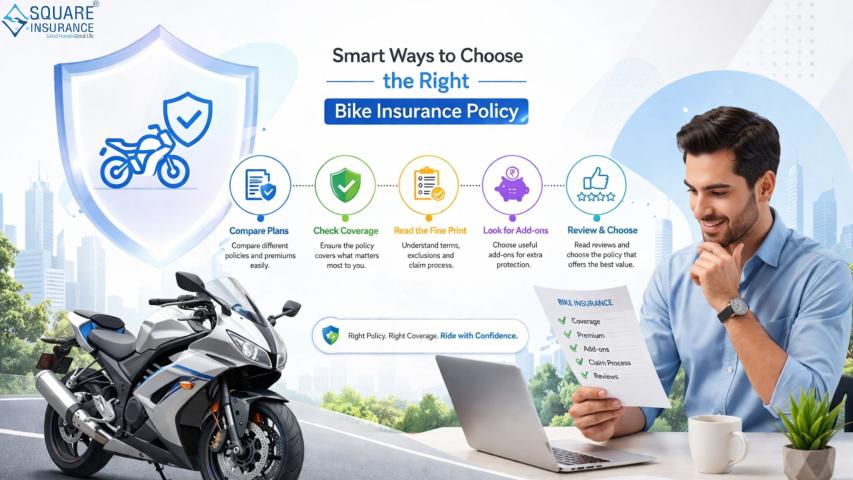
Introduction
Owning a
two-wheeler in today’s fast-paced world offers convenience, affordability, and
freedom of movement. However, along with these benefits comes the
responsibility of protecting your vehicle against unforeseen risks such as
accidents, theft, or natural disasters.
Bike insurance plays a crucial role in safeguarding both your finances and your
peace of mind by covering potential damages and liabilities. Choosing the right
policy is not just about meeting legal requirements-it’s about ensuring
complete protection tailored to your needs.
Why Choosing the Right Policy Matters
Not all
insurance policies are created equal. Many bike owners make the mistake of
selecting a plan based solely on price, often overlooking important features. A
poorly chosen policy may leave you underinsured or burdened with unexpected
expenses during claims.
The right
bike insurance policy ensures:
- Comprehensive coverage
- Hassle-free claim settlement
- Financial protection during
emergencies
- Long-term savings
1. Understand the Types of Bike Insurance Policies
Before
making a decision, it is important to understand the types of policies
available:
Third-Party
Insurance:
This is the most basic and mandatory insurance required by law in India. It
covers damages caused to another person, vehicle, or property but does not
cover your own bike.
Comprehensive
Insurance:
This policy offers wider coverage, including third-party liabilities and
damages to your own bike due to accidents, theft, fire, or natural calamities.
Standalone
Own Damage Cover:
If you already have third-party insurance, you can opt for this to cover
damages to your own vehicle.
Choosing
the right type depends on your usage, budget, and risk exposure
2. Check the Insured Declared Value (IDV)
The IDV
is the current market value of your bike and determines the maximum amount you
can claim in case of total loss or theft.
A higher
IDV means better compensation but also a higher premium. On the other hand, a
lower IDV reduces your premium but may not provide sufficient coverage.
Always
ensure the IDV is realistic and aligned with your bike’s current value
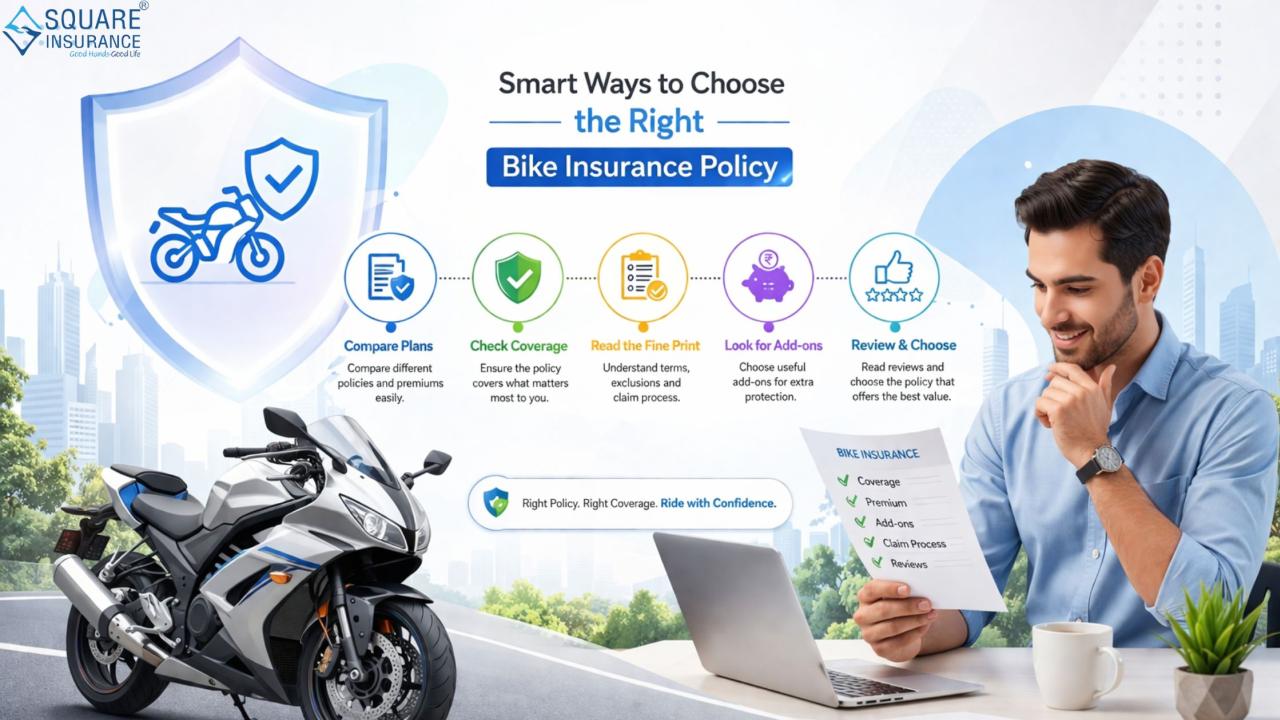
3. Compare Multiple Policies
One of
the smartest ways to choose the right policy is by comparing options online.
Look at:
- Premium costs
- Coverage benefits
- Add-on options
- Claim settlement ratio
Avoid
choosing the first policy you come across. A detailed comparison helps you make
an informed decision and often saves money.
4. Evaluate Add-On Covers
Add-ons
enhance your policy coverage and provide extra protection. Some important
add-ons include:
- Zero Depreciation Cover: Covers full claim amount
without factoring depreciation
- Engine Protection Cover: Useful in waterlogged areas
- Roadside Assistance: Offers help during
breakdowns
- Return to Invoice Cover: Ensures full invoice value
in case of total loss
Choose
add-ons based on your location, riding habits, and vehicle condition
5. Check the Claim Settlement Process
A smooth
and fast claim settlement process is a key factor in selecting an insurer. Look
for:
- High claim settlement ratio
- Simple documentation
- Quick processing time
- Cashless garage network
Reading
customer reviews can give you a clear idea of the insurer’s reliability.
6. Look for Network Garages
Insurance
providers partner with garages for cashless repairs. A wider network ensures:
- Easy access to repair services
- No upfront payment
- Faster claim processing
Always
check whether your preferred or nearby garages are included in the insurer’s
network
7. Consider the Premium vs Coverage Balance
While it
may be tempting to choose a low premium policy, it can compromise your
coverage. Similarly, a high premium does not always guarantee the best
benefits.
Focus on
value rather than just cost. A balanced policy provides adequate coverage at a
reasonable premium
8. Check No Claim Bonus (NCB) Benefits
NCB is a
reward for not making any claims during the policy period. It can significantly
reduce your premium over time.
Make sure
your policy allows you to:
- Retain NCB when switching
insurers
- Transfer NCB to a new bike
Protecting
your NCB can result in substantial savings in the long run
9. Read Policy Terms Carefully
Many
buyers skip reading the policy document, which leads to confusion during
claims. Always review:
- Inclusions and exclusions
- Deductibles
- Claim conditions
- Coverage limits
Understanding
these details ensures there are no surprises later.
10. Choose a Trusted Insurance Provider
The
reputation of the insurer matters as much as the policy itself. Look for:
- Strong market presence
- Positive customer feedback
- Transparent processes
- Good after-sales support
A
reliable insurer ensures peace of mind and better service when you need it the
most
Frequently Asked Questions (FAQs)
1. What
is the best type of bike insurance policy?
A comprehensive policy is generally the best choice as it provides both
third-party and own damage coverage.
2. How
can I reduce my bike insurance premium?
You can lower your premium by opting for a higher deductible, maintaining a
good NCB, and comparing policies online.
3. Is it
necessary to buy add-ons?
Add-ons are not mandatory but highly recommended for better protection,
especially for new or high-value bikes.
4. What
happens if I don’t renew my bike insurance on time?
Your policy will lapse, and you may lose benefits like NCB. You may also face
legal penalties.
5. Can I
switch my insurance provider?
Yes, you can switch insurers during renewal while retaining your NCB benefits
Conclusion
Choosing
the right bike insurance policy requires careful evaluation of your needs,
budget, and available options. Instead of focusing only on cost, consider the
overall value, coverage, and reliability of the insurer. A well-chosen policy
not only protects your bike but also ensures financial security in uncertain
situations.
When
selecting a trusted insurance partner, Square Insurance stands out by offering
tailored plans, competitive pricing, and a seamless claim process, making it
easier for bike owners to stay protected on the road.