Water damage rarely announces itself at a convenient time. A burst pipe at midnight, a washing machine overflow during a holiday, or storm runoff seeping into a property can turn into a serious problem within minutes. For homeowners and property managers, the difference between minor cleanup and major structural damage often comes down to how quickly water is removed and the area is stabilized.
This article explores why rapid water removal is critical, what happens when moisture lingers, and how emergency response services fit into an effective recovery plan—especially in areas where aging plumbing, slab foundations, or seasonal rain increase risk.
The Hidden Speed of Water Damage
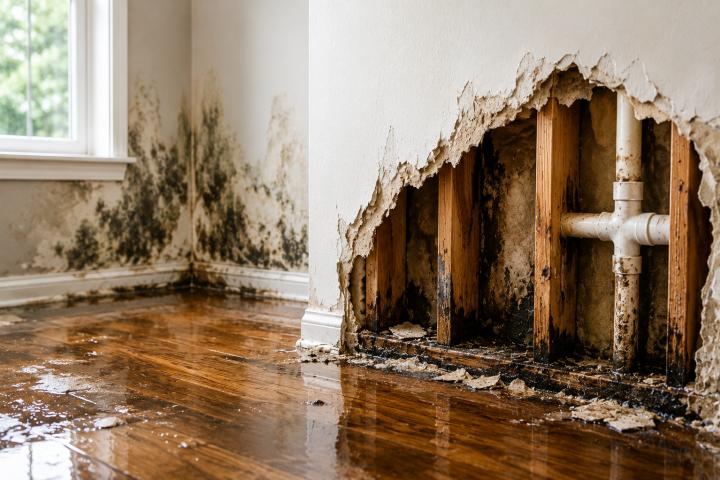
Water spreads fast. Within the first hour, it can soak flooring, baseboards, drywall, and insulation. What looks like a surface-level issue often hides deeper moisture that continues to cause damage long after the visible water is gone.
Key early impacts include:
Absorption into porous materials like drywall and wood
Weakening of structural components
Electrical hazards from water intrusion
Rapid increase in indoor humidity
The longer water sits, the more expensive and invasive repairs typically become.
Why “Waiting It Out” Makes Things Worse
Some property owners attempt to manage water damage on their own—using shop vacs, fans, or dehumidifiers. While these tools can help with very minor incidents, they often fall short when water has penetrated walls or subfloors.
Delaying professional water removal can lead to:
Mold growth, which can begin within 24–48 hours
Odors that linger even after surfaces appear dry
Warped flooring and delaminated materials
Secondary damage requiring demolition rather than drying
What starts as a manageable situation can quickly escalate into a full restoration project.
What Emergency Water Removal Actually Involves
Emergency water removal is more than extracting visible water. A proper response follows a structured process designed to stop damage from spreading and prepare the space for restoration.
Typical steps include:
Assessment and moisture mapping – Identifying affected areas, including hidden moisture
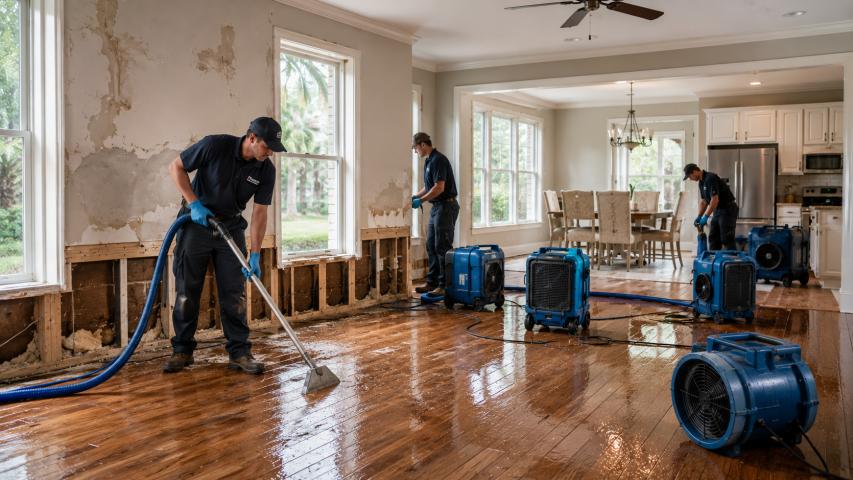
Rapid water extraction – Using high-powered pumps and vacuums
Controlled drying – Strategic placement of air movers and dehumidifiers
Monitoring – Tracking moisture levels to ensure proper drying
Stabilization – Preventing further deterioration until repairs begin
This systematic approach is especially important for properties with slab foundations or multi-level construction, where water can travel unseen.
Local Factors That Increase Water Damage Risk
Certain regions face higher risks due to environmental and infrastructure factors. Older neighborhoods may have aging pipes prone to failure, while areas with clay soil or poor drainage can experience water intrusion after heavy rain.
In communities like Covina, common causes of emergency water damage include:
Pipe leaks behind walls or under slabs
Appliance failures in kitchens and laundry rooms
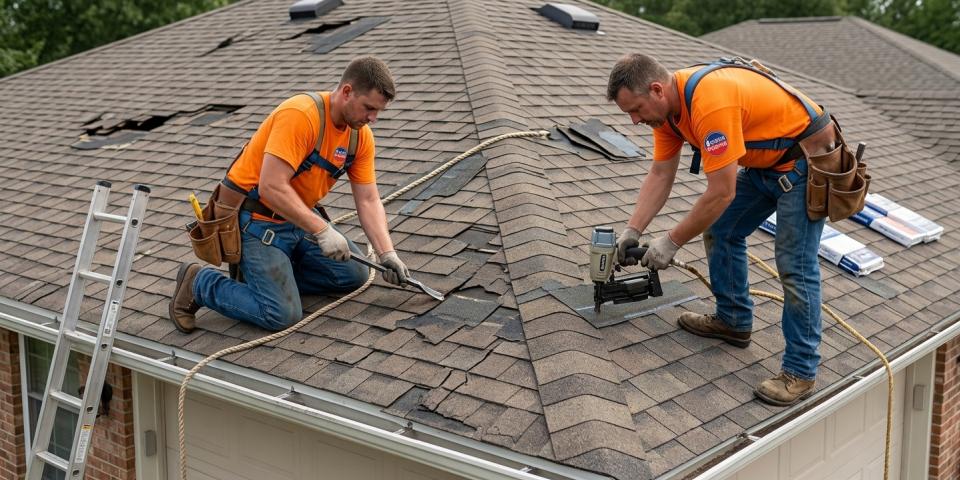
Roof leaks during seasonal storms
Sewer backups and drain overflows
Understanding these risks highlights why having access to rapid-response services is so important when problems arise unexpectedly.
The Cost-Saving Side of Fast Action
While emergency services may seem like an added expense, fast water removal often reduces total restoration costs. By preventing mold growth and limiting material damage, quick intervention can save flooring, drywall, cabinetry, and personal belongings that might otherwise need replacement.
From an insurance standpoint, timely mitigation also demonstrates responsible action, which can help avoid claim disputes related to neglect or delayed response.
Choosing the Right Emergency Response
Not all water damage situations are the same, and neither are response services. Availability, equipment, and experience all influence outcomes—especially during nights, weekends, or holidays when damage doesn’t pause.
When researching options, it helps to understand what true emergency availability looks like and how teams handle immediate response. For insight into professional services designed for urgent situations, many property owners explore 24/7 emergency water removal in Covina to better understand what rapid response and mitigation involve.
Prevention Still Matters
While emergencies can’t always be avoided, preparation reduces impact. Regular plumbing inspections, appliance maintenance, and knowing where shut-off valves are located can save valuable time during a crisis.
Simple preventive steps include:
Replacing old supply lines before failure
Installing leak detection devices
Keeping gutters and drains clear
Responding immediately to small leaks
These actions won’t eliminate risk entirely, but they can significantly reduce the severity of damage when water problems occur.
Final Thoughts
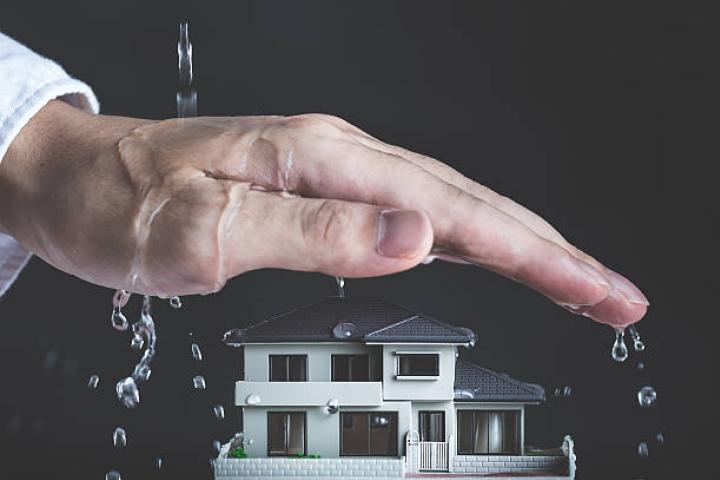
Water damage is one of the most time-sensitive issues a property can face. The speed at which water spreads—and the damage it causes—means that quick, informed action is essential. Emergency water removal isn’t just about cleanup; it’s about protecting structures, preventing secondary damage, and minimizing long-term disruption.
By understanding how water damage progresses and why rapid response matters, property owners are better equipped to act decisively when the unexpected happens.