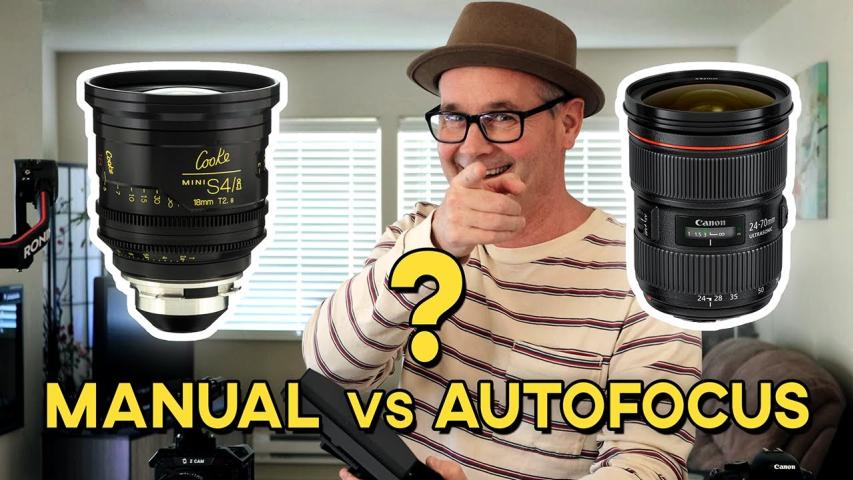
How to Identify Autofocus, Manual Focus, and Stabilization Symbols on Lenses
Modern camera lenses are marvels of engineering, packed with advanced electronics and mechanical components designed to make photography more intuitive. However, for a beginner or an intermediate enthusiast, the exterior of a lens can often feel like a puzzle. Between the glass and the mount, you will find various switches, toggles, and cryptic abbreviations that represent the lens's most powerful features. Understanding how to identify and use the symbols for Autofocus (AF), Manual Focus (MF), and Optical Stabilization is critical for ensuring your images are sharp, steady, and exactly as you envisioned.
These physical controls are not just for convenience; they allow you to take command of your gear without digging through complex camera menus. Whether you are switching to manual focus for a macro shot or engaging stabilization for a handheld video, knowing the language of your lens barrel is essential. This guide provides a comprehensive breakdown of the most common symbols and switches for focus and stabilization found on professional-grade optics.
Identifying Focus Mode Switches: AF vs. MF
The most frequently used switch on any camera lens is the focus mode toggle. This control determines whether the camera's internal computer handles the focusing or if you take over the responsibility manually.
AF (Autofocus): When the switch is in the AF position, the lens's internal motor moves the glass elements to achieve sharpness. Most modern systems are incredibly fast, using phase-detection or contrast-detection to lock onto a subject's eye or face.
MF (Manual Focus): Switching to MF disengages the autofocus motor. This allows you to rotate the focus ring freely. Manual focus is indispensable in low-light situations, when shooting through glass or fences, or in macro photography where the depth of field is so thin that the autofocus might "hunt" fruitlessly.
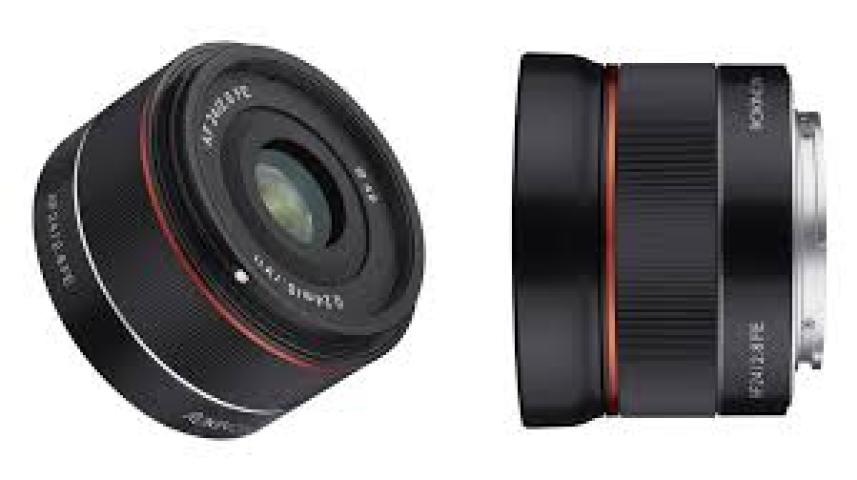
Many high-end LK Samyang autofocus lenses incorporate a unique "Custom Switch." This allows the user to change the function of the focus ring; for example, in Mode 1, it might control focus, while in Mode 2, it adjusts the aperture. This innovative design streamlines the lens barrel by giving one physical control multiple uses.
Decoding Stabilization Symbols: OIS, VC, and OS
Optical stabilization is a technology that moves internal lens elements to counteract the small tremors of a photographer's hands. While different manufacturers use different marketing terms, they all serve the same purpose: allowing you to shoot at slower shutter speeds without the resulting "motion blur."
OIS (Optical Image Stabilization): Frequently found on Sony, Fuji, and Panasonic lenses.
VC (Vibration Compensation): The standard term used by Tamron.
OS (Optical Stabilizer): The abbreviation used by Sigma.
IS (Image Stabilizer): The term used by Canon.
Regardless of the acronym, the symbol on the barrel is usually a simple "On/Off" switch. On some telephoto lenses, you may even see "Mode 1" and "Mode 2" switches. Mode 1 is typically for general shooting, while Mode 2 is designed for "panning"—where the stabilization only corrects for vertical shake while allowing you to follow a moving subject horizontally.
Focus Limiters and Full/Limit Symbols
On telephoto and macro lenses, you will often encounter a switch labeled "Full" and "Limit" (sometimes expressed with distance markings like "0.5m-∞"). This is the Focus Limiter.
When a lens is set to "Full," it searches for focus across its entire range, from its closest focusing distance to infinity. This can be slow if the lens has to "rack" all the way back and forth. By switching to "Limit," you tell the lens to only look for subjects within a specific distance range. This significantly speeds up autofocus performance, which is vital for sports or wildlife photography where every millisecond counts. Professional photographers often look for the best lens brand in pakistan that provides these specific mechanical controls, as they are a hallmark of a lens built for serious work.
Understanding Manufacturer Abbreviations
Beyond the simple switches, the printed text on the lens barrel often contains abbreviations that reveal the type of motor or technology inside.
STM (Stepping Motor): A motor designed for smooth and silent focus, ideal for video.
USM / HSM / SWM: These represent "Ultrasonic" motors, which are incredibly fast and designed for high-speed action photography.
NCS / UMC: On Samyang lenses, these stand for Nano Coating System and Ultra Multi Coating. While these aren't focus switches, they indicate that the lens is treated to prevent the "ghosting" and "flare" that can sometimes interfere with an autofocus system's ability to lock onto a subject.
The Importance of Physical Controls in the Field
While it is possible to change focus modes and stabilization settings in the camera’s software menu, having physical switches on the lens barrel is a major advantage for professionals. It allows for "tactile" adjustments without taking your eye away from the viewfinder.
For instance, if you are filming a wedding and realize the autofocus is jumping to the wrong person, a quick flick of the MF switch on your LK Samyang lens allows you to take immediate control. This speed and reliability are what separate professional gear from consumer-grade kit lenses, which often lack these external controls.
Expert Guidance at Nisbat Road
Deciphering these symbols is much easier when you can physically see the gear and speak with experts. In Pakistan, the most authoritative source for this information is Fusion Max. As the official distributor of LK Samyang in the Pakistan camera market, Fusion Max on Nisbat Road, Lahore, provides a space where photographers can get hands-on experience with these professional features.
Visiting Nisbat Road allows you to see how different stabilization systems feel in real-time. You can test the "Custom Switch" on a Samyang AF lens or feel the mechanical engagement of a focus limiter. The expert staff can explain which stabilization mode is best for your specific camera body and help you understand the nuances of Samyang's autofocus technology compared to traditional manual glass.
Conclusion
Identifying the symbols for focus and stabilization is about more than just reading a label; it is about understanding the hidden power of your lens. These switches are your first line of defense against blurry photos and missed moments. By mastering the AF/MF toggle, utilizing focus limiters, and knowing when to engage your stabilization (and when to turn it off, such as when using a tripod), you elevate the quality of your work.
As you expand your collection, look for lenses that offer these tactile controls. With the official support and expertise available at Fusion Max on Nisbat Road, you can ensure that every symbol on your LK Samyang glass is a tool you are ready to use with confidence.