When your HVAC system starts acting up, the first instinct is usually to repair it. That makes sense. Repairs feel cheaper, faster, and less disruptive than a full replacement. But here’s the uncomfortable truth most homeowners avoid: there comes a point where fixing an HVAC system is no longer a smart decision. It becomes a money drain, a comfort risk, and a reliability gamble.
Knowing when to stop repairing and start replacing can save you thousands of dollars, not to mention stress during extreme weather.
In this guide, we will break down the real-world factors that determine whether repair or replacement is the right move, without sales fluff or scare tactics.
The Real Cost of “Just One More Repair”
Many homeowners fall into the repair trap. A part fails, it gets fixed, and things work again. A few months later, another issue pops up. Individually, each repair seems reasonable. Collectively, they add up fast.
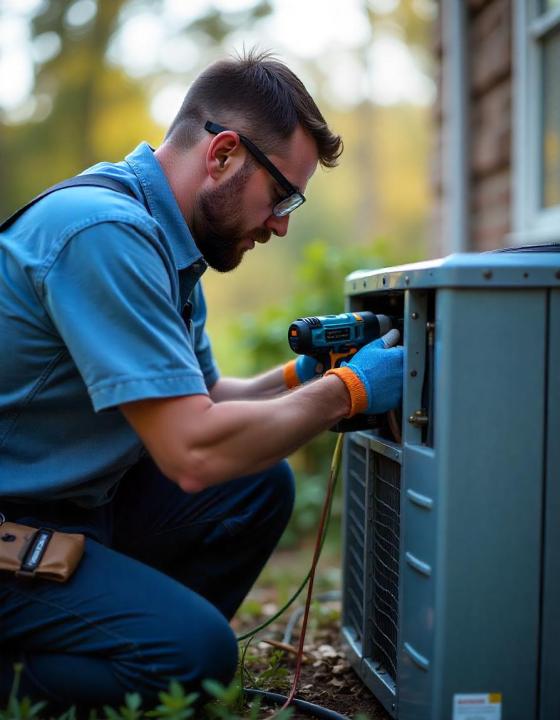
If you are already relying on frequent calls to an hvac service in las vegas just to keep your system running, that is a red flag. A healthy HVAC system should not need constant attention. Repeated breakdowns usually signal deeper wear across multiple components, not isolated problems.
At that point, you are no longer maintaining a system. You are propping it up.
Age Matters More Than Most People Admit
HVAC systems are not designed to last forever. On average:
- Air conditioners last 12 to 15 years
- Furnaces last 15 to 20 years
- Heat pumps last 10 to 15 years
If your system is approaching or past these ranges, repairs become less cost-effective. Older systems are less efficient, parts are harder to find, and failures tend to cascade. Replacing one component often stresses others that are already worn.
A major repair on a system near the end of its lifespan is rarely a good investment.
The 50 Percent Rule (And Why It Works)
A simple rule many experienced HVAC professionals use is this:
If a repair costs 50 percent or more of the price of a new system, replacement usually makes more sense.
Why? Because a major repair does not reset the clock on the rest of the system. You might fix the compressor today, only to face blower motor failure next season. Replacement gives you a clean slate, a warranty, and predictable performance.
This rule is not absolute, but it is a strong starting point for decision-making.
Rising Energy Bills Are Not a Coincidence
If your energy bills keep climbing while your usage habits stay the same, your HVAC system is likely the culprit. As systems age, efficiency drops even if they are technically “working.”
Older units often run longer cycles, struggle to maintain set temperatures, and lose efficiency due to worn components and outdated technology.
Repairing mechanical failures does not restore lost efficiency. Only replacement can do that.
If your system is repaired but your bills stay high, you are paying twice: once to fix it and again to operate it.
Comfort Problems Signal Bigger Issues
Uneven temperatures, weak airflow, excessive noise, or frequent short cycling are not minor annoyances. They are symptoms of a system that is no longer functioning as designed.
Common signs that repair may not be enough:
- Hot and cold spots throughout the house
- Constant thermostat adjustments
- Loud rattling, grinding, or banging noises
- System turning on and off too frequently
These issues often point to system-wide degradation, not a single faulty part.
Refrigerant Type Can Force the Decision
If your air conditioner still uses R-22 refrigerant, replacement is often unavoidable. R-22 has been phased out, making it expensive and increasingly difficult to source. Even a small refrigerant leak can turn into a costly repair.
New systems use modern refrigerants that are easier to maintain, more efficient, and environmentally compliant. Continuing to repair an R-22 system is rarely cost-effective long-term.
Safety Should Never Be Ignored
For furnaces especially, safety is a major consideration. Cracked heat exchangers, carbon monoxide risks, and electrical issues are not problems you want to “manage” through repairs.
If a technician flags a safety concern on an older system, replacement is usually the responsible choice. Comfort and cost savings are important, but safety comes first.
When Repair Still Makes Sense
Replacement is not always the answer. Repair is often the right move when:
- The system is under 10 years old
- The repair cost is minor
- The system has been reliable overall
- Energy efficiency is still reasonable
A well-maintained, relatively new system with a single failure is usually worth fixing.
The key is context. One repair is normal. A pattern of repairs is not.
The Value of a Professional Assessment
A trustworthy HVAC professional will not push replacement by default. They will evaluate system age, repair history, efficiency, and safety before making a recommendation.
Ask direct questions:
- How many major components are nearing failure?
- What is the expected lifespan after this repair?
- How does efficiency compare to modern systems?
- Are there safety or refrigerant concerns?
Clear answers matter more than low repair quotes.
Final Thoughts: Stop Throwing Good Money After Bad
The hardest part of HVAC replacement is not the cost. It is letting go of a system that technically still runs. But running is not the same as performing well, efficiently, and safely.
If your HVAC system is old, unreliable, inefficient, and expensive to maintain, repairs are no longer a solution. They are a delay tactic.
Replacing at the right time gives you lower energy bills, fewer breakdowns, better comfort, and peace of mind. Waiting too long often means replacing under pressure, during extreme heat or cold, when options are limited and costs are higher.