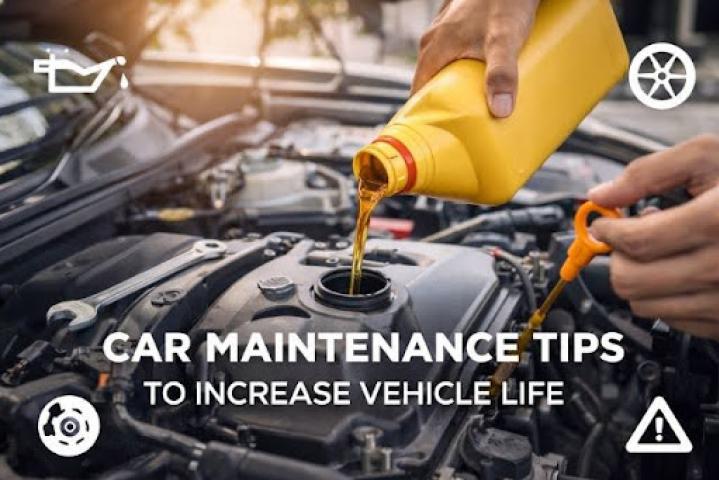
A car is one of the most important investments for any household, and maintaining it properly can significantly extend its lifespan. Regular maintenance not only keeps your vehicle running smoothly but also helps prevent costly repairs, improves safety, and preserves resale value. Many car owners underestimate how small, consistent care routines can make a big difference over time.
Just like buyers carefully research aspects such as How Long Does Hyundai Take to Approve Financing a Car before making a purchase decision, maintaining a car also requires awareness, planning, and timely action. Understanding what your vehicle needs and when it needs attention is the foundation of long-term ownership satisfaction.
Follow a Regular Service Schedule
Routine servicing is the backbone of vehicle longevity. Manufacturers design service intervals to ensure critical components are inspected, cleaned, and replaced before they fail. Skipping scheduled services may save money in the short term but often leads to expensive repairs later.
Always follow the service schedule mentioned in your owner’s manual. Even if your car feels fine, internal components like filters, fluids, and belts may still require attention.
Check and Replace Engine Oil on Time
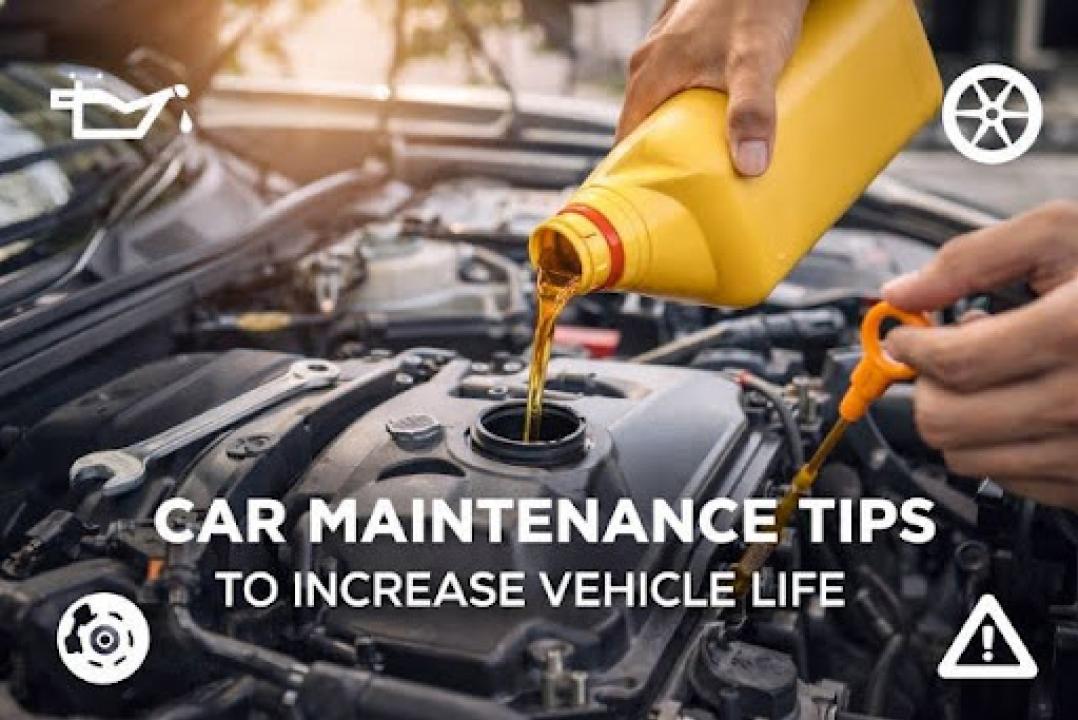
Engine oil lubricates moving parts, reduces friction, and prevents overheating. Old or dirty oil loses its effectiveness and can cause engine wear.
Check oil levels regularly and replace engine oil as recommended. Using the correct grade of oil specified by the manufacturer is equally important for engine health.
Keep an Eye on Tire Health
Tires directly affect fuel efficiency, ride comfort, and safety. Under-inflated or over-inflated tires wear unevenly and reduce control.
Ensure proper tire pressure, rotate tires periodically, and align wheels when needed. Replacing worn tires on time can prevent accidents and protect suspension components.
Maintain the Cooling System
The cooling system prevents the engine from overheating. A neglected cooling system can result in serious engine damage.
Check coolant levels regularly and flush the cooling system at recommended intervals. Inspect hoses and the radiator for leaks, especially before long drives.
Pay Attention to Brakes
Brakes are critical for safety and should never be ignored. Worn brake pads or damaged rotors can compromise stopping power.
Listen for unusual sounds like squealing or grinding and get your brakes inspected immediately if you notice reduced braking performance.
Replace Air and Fuel Filters
Clean air and fuel filters ensure the engine receives the proper mixture for combustion. Dirty filters reduce efficiency and strain the engine.
Replacing filters at regular intervals improves mileage, engine performance, and overall reliability.
Drive Smoothly and Avoid Aggressive Habits
Aggressive driving habits such as rapid acceleration, hard braking, and overloading the car shorten vehicle life. These behaviors stress the engine, transmission, and suspension.
Smooth driving not only improves fuel efficiency but also reduces wear and tear on critical components.
Protect the Exterior and Interior
Regular washing removes dirt, salt, and pollutants that cause corrosion. Waxing protects paint and maintains the car’s appearance.
Inside the car, keeping the cabin clean prevents wear on seats, dashboards, and electronics. Sunshades and seat covers can also help preserve interiors.
Don’t Ignore Warning Lights
Dashboard warning lights exist for a reason. Ignoring them can turn minor issues into major failures.
If a warning light appears, get the vehicle diagnosed promptly. Early intervention often saves time and money.
Monitor Fuel System Health
A well-maintained fuel system ensures smooth engine performance and consistent mileage. Poor-quality fuel and clogged injectors can lead to rough idling and reduced power.
Understanding basics such as How Many Fuel Injectors Does a Car Have can help car owners appreciate the importance of keeping the fuel system clean, as each injector plays a vital role in delivering fuel efficiently to the engine.
Conclusion
Proper car maintenance is not complicated—it simply requires consistency, awareness, and timely action. From following service schedules and checking fluids to driving responsibly and addressing warning signs early, every small effort contributes to extending your vehicle’s life.
A well-maintained car offers better performance, improved safety, lower ownership costs, and higher resale value. By making maintenance a priority, you ensure that your vehicle remains reliable and road-ready for many years to come.