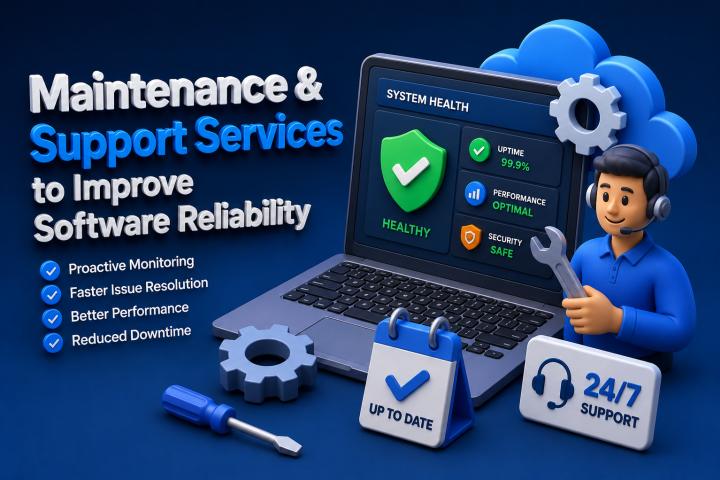
Software development does not end when an application is launched. In fact, deployment is only the beginning of a software product's lifecycle. To ensure applications remain secure, efficient, and fully functional, businesses must invest in ongoing Maintenance & Support Services.
As technology evolves and user expectations continue to rise, software systems require regular monitoring, updates, bug fixes, and performance improvements. Organizations that prioritize software maintenance can reduce downtime, enhance user satisfaction, and protect their technology investments for the long term.
Whether you operate a mobile application, web platform, enterprise solution, or SaaS product, having a structured maintenance strategy is essential for sustainable growth and operational reliability.
Understanding Maintenance & Support Services
Maintenance & Support Services refer to the ongoing activities performed after software deployment to ensure applications continue operating efficiently. These services focus on identifying issues, improving performance, implementing updates, and responding to changing business requirements.
Typical maintenance activities include:
- Bug fixing and issue resolution
- Security updates and patch management
- Performance monitoring
- Database optimization
- Feature enhancements
- System upgrades
- Technical support
- Infrastructure maintenance
These services help businesses maintain software quality while minimizing operational disruptions.
Why Software Maintenance Is Essential
Many organizations focus heavily on software development but underestimate the importance of post-launch support. Without proper maintenance, applications can become vulnerable, outdated, and unreliable.
Preventing System Downtime
Unexpected outages can impact customer trust and business revenue. Regular monitoring and proactive maintenance help identify issues before they escalate into major problems.
Enhancing Security
Cybersecurity threats evolve constantly. Ongoing support ensures applications receive security patches and updates that protect sensitive business and customer data.
Improving User Experience
Users expect fast, responsive, and error-free applications. Maintenance teams continuously optimize performance and resolve issues that affect usability.
Supporting Business Growth
As organizations grow, software must adapt to increasing workloads, new integrations, and changing customer requirements.
Types of Software Maintenance
Understanding different maintenance categories helps businesses develop effective support strategies.
Corrective Maintenance
Corrective maintenance focuses on identifying and fixing bugs, errors, and software defects that impact functionality.
Examples include:
- Application crashes
- Broken features
- Database errors
- User interface issues
Adaptive Maintenance
Technology environments constantly change. Adaptive maintenance ensures software remains compatible with:
- Operating system updates
- Browser updates
- Third-party integrations
- Cloud infrastructure changes
Perfective Maintenance
Perfective maintenance improves existing features based on user feedback and business needs.
Examples include:
- Workflow improvements
- User interface enhancements
- Feature upgrades
- Performance improvements
Preventive Maintenance
Preventive maintenance identifies potential risks before they cause operational problems.
Activities may include:
- Code refactoring
- Database cleanup
- Infrastructure optimization
- Security audits
Key Benefits of Maintenance & Support Services
Reliable maintenance services provide significant business advantages beyond simply fixing issues.
Increased Software Reliability
Applications that receive consistent support experience fewer disruptions and maintain stable performance over time.
Reduced Operational Risks
Proactive monitoring helps identify vulnerabilities and technical concerns before they affect business operations.
Lower Long-Term Costs
Addressing minor issues early prevents costly emergency repairs and major system failures.
Improved Customer Satisfaction
Stable and responsive software creates positive user experiences that improve retention and customer loyalty.
Better Compliance and Security
Regular updates help organizations meet industry standards and regulatory requirements.
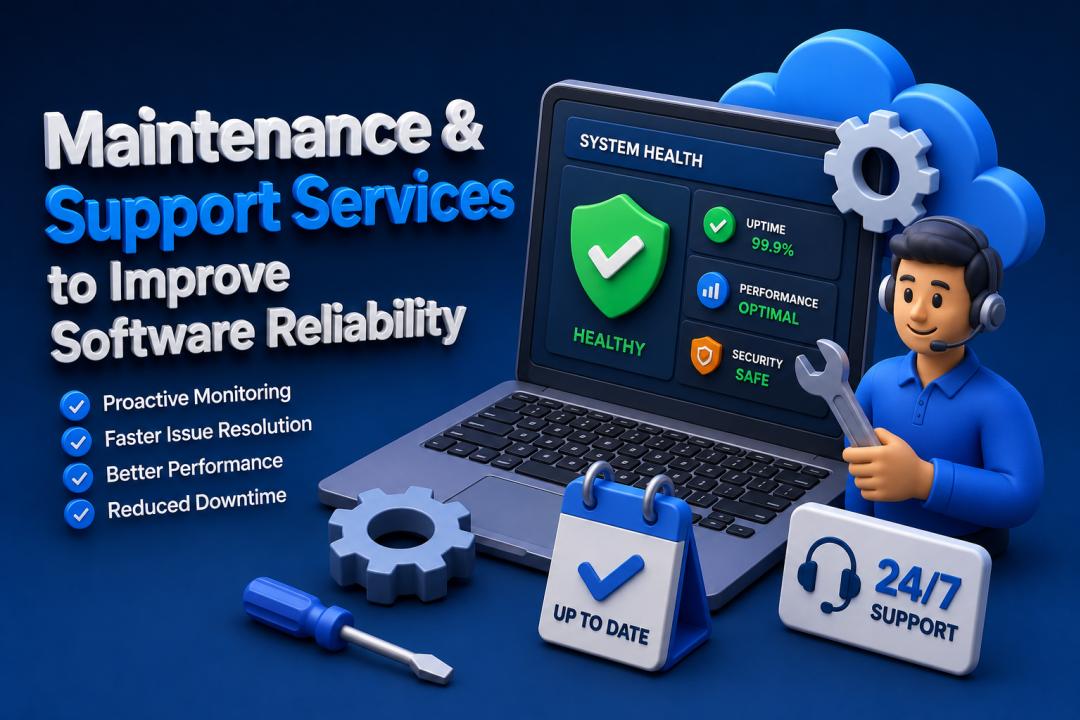
How Maintenance & Support Services Improve Software Reliability
Software reliability is a critical factor in customer satisfaction and business continuity. Systems that frequently experience errors, downtime, or security vulnerabilities can damage brand reputation and reduce revenue opportunities.
This is where Maintenance & Support Services become an essential investment. Through continuous monitoring, routine updates, and proactive issue resolution, businesses can ensure their software remains dependable and efficient. Reliable systems not only improve user trust but also support long-term scalability and growth.
For example, an eCommerce platform that receives regular maintenance can quickly address performance bottlenecks during seasonal traffic spikes, ensuring customers enjoy a seamless shopping experience.
Best Practices for Effective Software Maintenance
Establish a Maintenance Schedule
Routine maintenance helps prevent unexpected technical issues and ensures software remains up to date.
Monitor Performance Metrics
Tracking key performance indicators helps teams identify trends and potential areas for improvement.
Maintain Detailed Documentation
Accurate documentation simplifies troubleshooting and speeds up issue resolution.
Conduct Regular Security Audits
Security assessments help identify vulnerabilities before they can be exploited.
Gather User Feedback
Customer feedback often reveals improvement opportunities that may not be visible through technical monitoring alone.
Choosing the Right Maintenance Partner
Selecting a reliable software maintenance provider is crucial for achieving consistent results.
Look for a partner that offers:
- Proven technical expertise
- 24/7 support capabilities
- Proactive monitoring
- Security-focused practices
- Transparent communication
- Experience across multiple technologies
An experienced maintenance team can help businesses maximize software performance while minimizing risks and downtime.
Future Trends in Software Maintenance
As digital transformation continues, software maintenance is becoming increasingly sophisticated. Artificial intelligence, predictive analytics, and automated monitoring tools are helping organizations detect issues faster and improve system reliability.
Cloud-native applications, DevOps practices, and automated deployment pipelines are also reshaping how maintenance services are delivered. Businesses that embrace these innovations can achieve greater operational efficiency and resilience.
Conclusion
Software success extends far beyond development and deployment. Consistent Maintenance & Support Services ensure applications remain secure, reliable, and aligned with evolving business needs.
From improving performance and reducing downtime to enhancing security and customer satisfaction, ongoing maintenance plays a vital role in long-term software success. Organizations that invest in proactive support strategies can protect their technology investments while delivering exceptional user experiences.
If you're looking to improve software reliability and maximize operational efficiency, partnering with an experienced maintenance and support team can provide the expertise needed to keep your applications performing at their best.
Frequently Asked Questions
What are Maintenance & Support Services?
These services involve ongoing monitoring, updates, troubleshooting, and optimization to ensure software remains reliable, secure, and efficient.
Why is software maintenance important?
Software maintenance helps prevent downtime, improve security, enhance performance, and support evolving business requirements.
How often should software maintenance be performed?
Maintenance schedules vary depending on the application, but regular monitoring and periodic updates are recommended throughout the software lifecycle.
What is the difference between maintenance and support?
Maintenance focuses on updates, improvements, and issue prevention, while support addresses user-reported problems and technical assistance.
Can maintenance services improve software security?
Yes. Regular security patches, vulnerability assessments, and monitoring help protect software from emerging threats and cyberattacks.