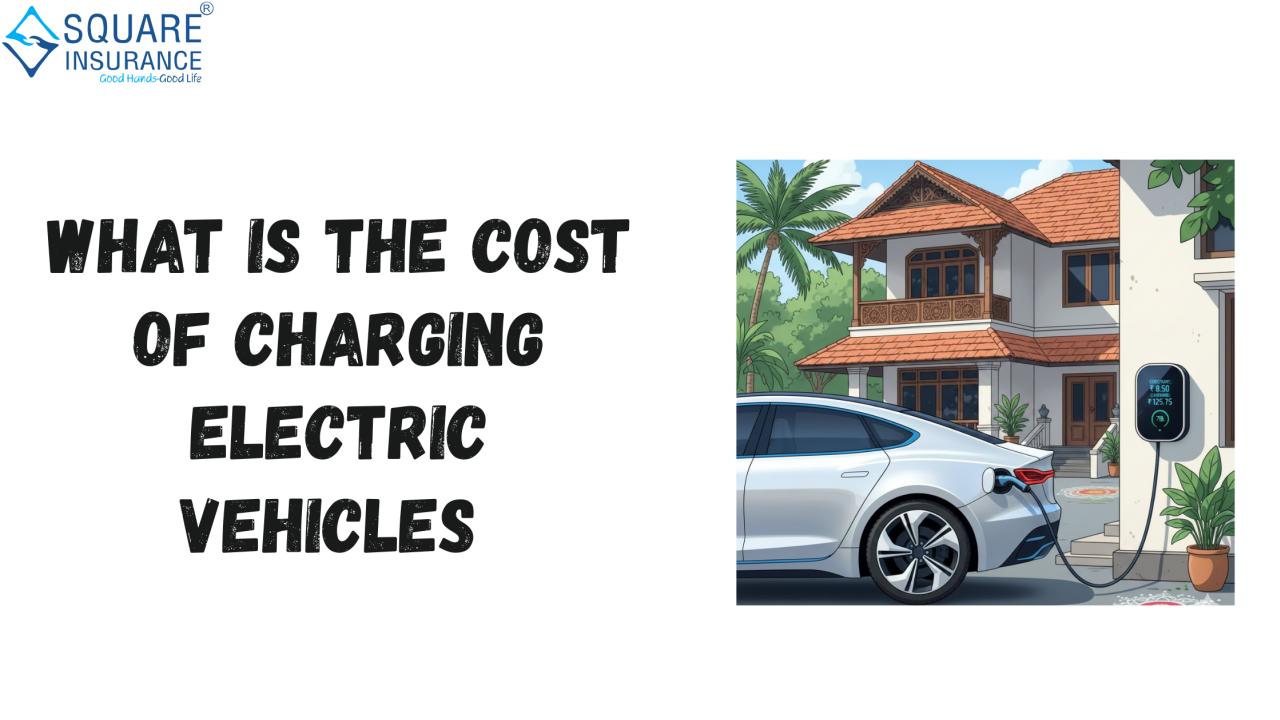
Electric vehicles (EVs) are rapidly gaining popularity in India due to rising fuel prices, increasing environmental awareness, and supportive government policies. However, for many potential buyers, one crucial question remains: what is the cost of charging electric vehicles? Understanding the Cost of Charging Electric Car in India is essential for evaluating the true cost of ownership and long-term savings associated with an EV.
How Is the Cost of Charging Electric Vehicles Calculated?
The cost of charging an electric vehicle depends primarily on three factors:
1. Battery
capacity (measured in kilowatt-hours or kWh)
2. Electricity
tariff (cost per unit of electricity)
3. Charging
location and type (home or public charger)
If an EV has a 30 kWh battery, it will ideally consume 30 units of
electricity for a full charge, excluding minor charging losses.
Cost of Charging Electric Vehicles at Home
Home charging is the most economical option for EV owners in India.
Average Home Electricity Tariff
·
₹5 to ₹9 per unit, depending on the state and
consumption slab
Example Calculation
·
Battery capacity: 40 kWh
·
Electricity rate: ₹7 per unit
Total charging cost:
40 × 7 = ₹280 for a full charge
If the vehicle offers a real-world driving range of 300 km, the
per-kilometre cost is less than ₹1.
Cost of Charging Electric Vehicles at Public Charging Stations
Public charging stations are convenient, especially for long-distance
travel, but are more expensive than home charging.
Public Charging Cost in India
·
₹10 to ₹25 per unit, depending on charger speed
and location
Example
·
Battery capacity: 40 kWh
·
Charging tariff: ₹18 per unit
Total cost:
40 × 18 = ₹720 per full charge
Fast chargers cost more due to higher power output and infrastructure
expenses.
Electricity Tariffs
Different states have varying residential and commercial electricity rates,
which directly impact charging costs.
Driving Conditions
Frequent acceleration, high speeds, and heavy loads increase energy
consumption.
Weather and Climate
Battery efficiency may reduce slightly in extreme heat or cold, affecting
overall range.
Charging Type
Fast charging generally costs more per unit compared to slow or standard
charging.
Additional Costs to Consider
Although EV charging is affordable, some related expenses include:
·
Home charging equipment installation
·
Electrical wiring or meter upgrades
·
Gradual battery performance reduction over time
These costs are usually balanced out by lower fuel and maintenance expenses.
Why Charging Cost Matters for EV Insurance
Charging behavior influences battery health, which is a key component of an
electric vehicle. Since the battery is one of the most expensive parts of an
EV, selecting appropriate insurance coverage is important.
Many comprehensive EV insurance policies offer protection for battery
damage, electrical failures, and charging-related risks. Understanding charging
costs and usage patterns helps vehicle owners make informed insurance
decisions.
Long-Term Savings with Electric Vehicles
Over several years of ownership, the cost advantage of electric vehicles
becomes evident. EV owners can save several lakhs compared to petrol or diesel
vehicles, even after considering charging infrastructure and maintenance.
Conclusion
The cost of charging electric vehicles in India is significantly lower than
the cost of refuelling conventional vehicles. Home charging remains the most
affordable option, while public charging offers flexibility when required. With
lower per-kilometre costs and predictable energy pricing, EVs provide strong
long-term financial benefits.
To protect this investment, choosing the right insurance is equally
important. Square Insurance helps EV owners compare suitable
insurance plans that cover batteries, charging risks, and overall vehicle
safety, ensuring peace of mind along with cost savings.
Frequently Asked Questions
1. How much does it cost to fully charge an electric car in India?
A full charge typically costs ₹200–₹400 at home and ₹500–₹900 at public
charging stations.
2. Is charging an electric vehicle cheaper than petrol?
Yes, EV charging costs are significantly lower, with per-kilometre expenses
under ₹1 in most cases.
3. Can I charge my electric car using a normal home socket?
Yes, most EVs support standard home charging, though charging speed will be
slower.
4. Does fast charging increase electricity cost?
Yes, fast charging costs more per unit compared to regular home charging.
5. Is EV charging cost the same across India?
No, electricity tariffs vary by state, which affects charging expenses.