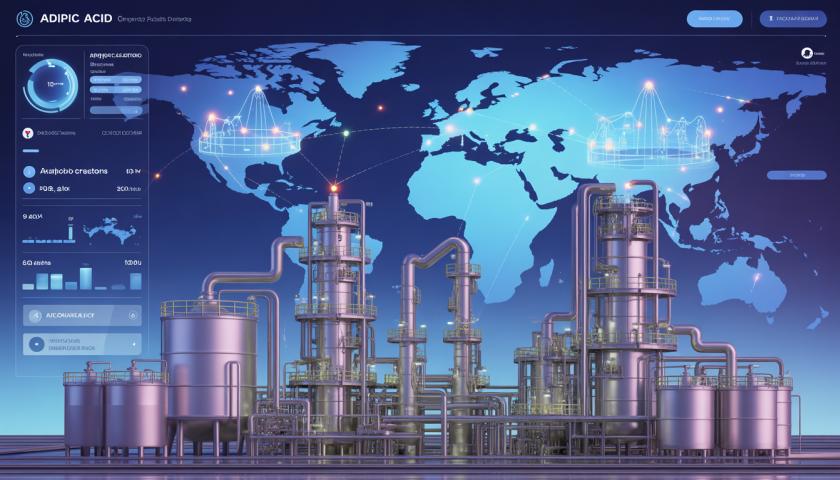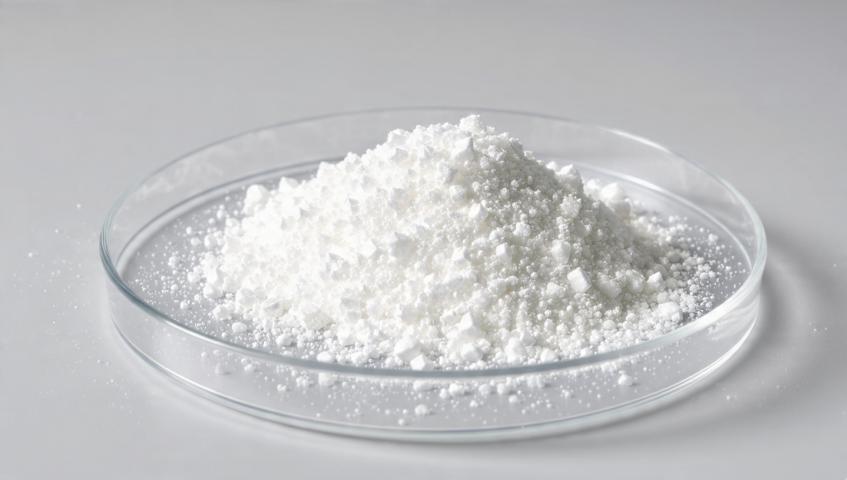
Adipic acid prices have become an important topic for manufacturers, traders, and even end users in recent years. While it may sound like a highly technical subject, the basic idea is quite simple. Adipic acid is a chemical compound mainly used in the production of nylon, polyurethane, and various plastic and coating materials. Because it plays such a key role in everyday products, changes in Adipic Acid Prices can affect many industries at once.
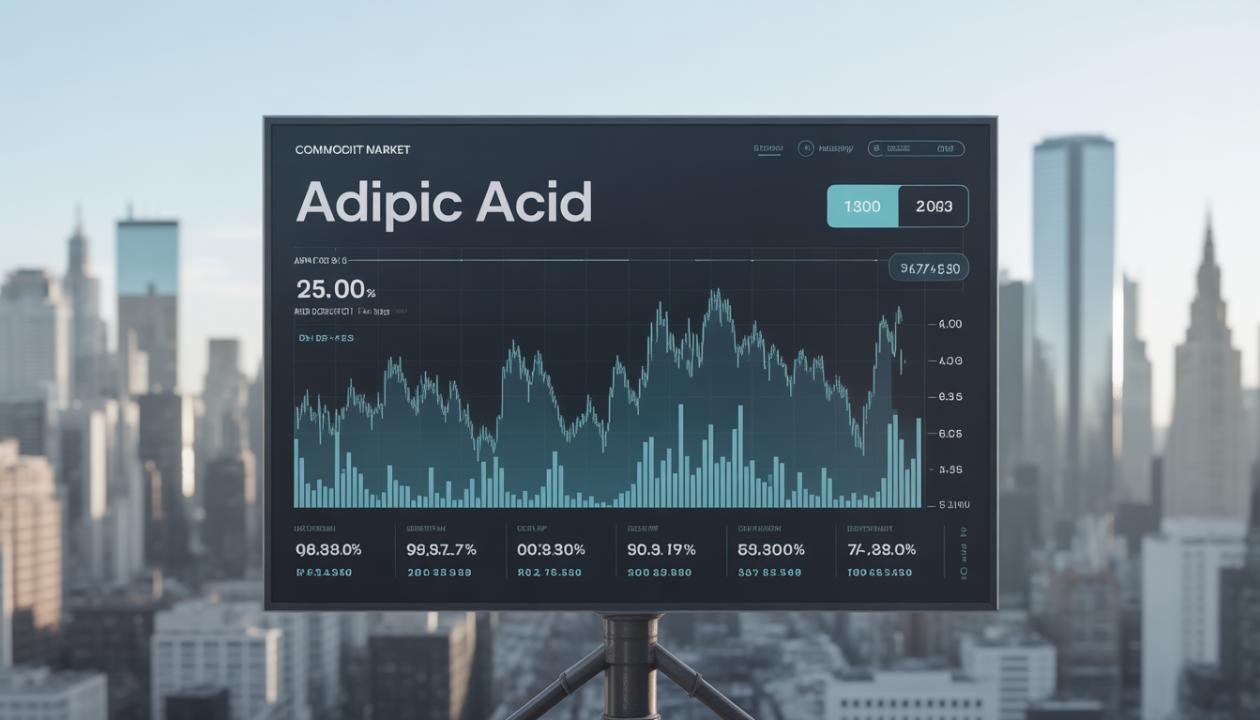
In this article, we will explore what affects adipic acid prices, how the market behaves over time, and what businesses usually look at when tracking the Adipic Acid Price Trend.
What Is Adipic Acid and Why It Matters
Adipic acid is widely used in the manufacturing of nylon 6,6, which is found in textiles, carpets, automotive parts, and industrial fibers. It is also used in making polyurethane foams that are commonly used in furniture, insulation, and packaging. Because of this wide usage, demand for adipic acid is closely connected to the automotive, construction, and textile industries.
When these industries grow, demand for adipic acid usually increases. As a result, adipic acid prices may move upward. On the other hand, when these sectors slow down, the demand weakens and prices may soften. This simple demand and supply balance is one of the biggest drivers behind price movement.
Key Factors That Influence Adipic Acid Prices
Adipic acid prices are not decided randomly. They are influenced by a mix of raw material costs, energy prices, global demand, and production capacity.
One of the main raw materials used in producing adipic acid is cyclohexane, which is derived from crude oil. So, when crude oil prices rise, production costs for adipic acid also increase. This often leads to higher adipic acid prices in the market. Similarly, when oil prices fall, production becomes cheaper and prices may stabilize or decrease.
Energy costs also play a major role. Manufacturing adipic acid requires significant energy. If electricity or natural gas prices increase, producers may adjust their selling prices to maintain profitability.
Another important factor is global trade. If a major producing country reduces exports due to regulations or plant shutdowns, global supply can tighten. In such cases, adipic acid prices may rise quickly. On the other hand, if new production plants start operating, increased supply can ease the pressure on prices.
Understanding the Adipic Acid Price Trend
The Adipic Acid Price Trend usually follows broader economic cycles. During times of strong industrial growth, the price trend often shows upward movement. High demand from automotive and textile industries pushes the market higher. In contrast, during economic slowdowns, the trend may turn downward.
Seasonal demand can also affect the price trend. For example, construction and automotive production may increase in certain periods of the year, leading to short-term price improvements. However, these changes are often temporary.
Long-term Adipic Acid Price Trend patterns depend on structural changes in the industry. For example, environmental regulations have become stricter in many countries. Some older production plants have had to close or upgrade operations. This can reduce supply and support higher prices over time.
At the same time, innovation and technology improvements can reduce production costs. If manufacturers adopt more efficient processes, the cost savings may eventually stabilize or lower prices in the long run.
Regional Differences in Adipic Acid Prices
Adipic acid prices are not always the same in every region. Asia, especially China, is one of the largest producers and consumers of adipic acid. Prices in this region can influence global markets. If production in Asia increases significantly, it can impact international price levels.
In Europe and North America, environmental regulations and energy costs are major factors. These regions may sometimes experience higher prices due to stricter production standards and higher operational expenses.
Shipping costs and currency exchange rates also create differences. If freight rates rise, import-dependent countries may see higher adipic acid prices compared to producing countries.
Market Challenges and Future Outlook
The adipic acid market faces both challenges and opportunities. One challenge is the volatility of raw material costs. Since crude oil prices can fluctuate sharply, adipic acid prices may also show sudden changes. This makes planning difficult for manufacturers who rely on stable input costs.
Another challenge is environmental pressure. Adipic acid production releases certain emissions, and governments are encouraging cleaner technologies. While this is positive for sustainability, it may increase production costs in the short term.
Looking ahead, the future Adipic Acid Price Trend will likely depend on global economic recovery, industrial expansion, and the shift toward sustainable production methods. If demand for nylon and polyurethane continues to grow, prices may remain firm. However, if new production capacities are added quickly, supply may balance out demand and keep prices stable.
Conclusion
Adipic acid prices are shaped by a combination of supply, demand, raw material costs, energy prices, and global trade conditions. Although the market can sometimes appear complex, the core idea remains simple. When demand is strong and supply is tight, prices rise. When supply is high and demand slows, prices soften.
Understanding the Adipic Acid Price Trend helps businesses make better decisions about purchasing, production planning, and long-term investments. By keeping an eye on oil prices, industrial growth, and regulatory changes, companies can better prepare for future market movements.
In the end, adipic acid prices reflect the health of several major industries. Watching the trend closely provides valuable insight into the broader chemical and manufacturing market.
About Price-Watch™
Price-Watch™ is an India-based, independent price reporting agency (PRA) that provides real-time price forecasts and data-driven insights into global raw material markets. It specializes in tracking prices, analyzing market trends, and delivering timely updates on plant shutdowns, supply disruptions, capacity expansions, and demand–supply dynamics. Price-Watch™ reporting goes beyond prices to include grade-level insights, applications, and country-level demand intelligence you can trust. Powered by AI forecasting and over a decade of historical data, the Price-Watch™ platform empowers manufacturers, traders, and procurement professionals to make faster, smarter decisions and turn market volatility into actionable opportunity.
Futura Tech Park,
C Block, 8th floor 334,
Old Mahabalipuram Road,
Sholinganallur, Chennai, Tamil Nadu, Pincode - 600119.
Linkedin: https://www.linkedin.com/company/price-watch-ai/
Facebook: https://www.facebook.com/people/Price-Watch/61568490385598/
Twitter: https://x.com/pricewatchai
Website: https://www.price-watch.ai/