The rise of blockchain technology
has transformed the digital landscape, enabling decentralized finance (DeFi),
non-fungible tokens (NFTs), decentralized autonomous organizations (DAOs), and
countless other applications. However, as blockchain adoption grows,
scalability and transaction speed have emerged as significant challenges.
Traditional Layer 1 blockchains like Ethereum and Bitcoin face limitations in
throughput, transaction costs, and latency. This is where Layer 2 blockchain
development solutions come into play, offering innovative ways to scale
networks, enhance performance, and reduce costs without compromising security
or decentralization.
In this article, we explore what
Layer 2 solutions are, how they work, their benefits, practical use cases, challenges,
and the future of blockchain scalability.
What is Layer 2 Blockchain Development?
Layer 2 refers to protocols or
frameworks built on top of existing Layer 1 blockchains to improve transaction
throughput and efficiency. While Layer 1 serves as the base blockchain (e.g.,
Ethereum, Bitcoin), Layer 2 operates “off-chain” or partially off-chain,
handling transactions externally before settling them on the main chain.
The main goal of Layer 2 development
is to unlock speed, reduce fees, and increase scalability. By processing
most operations off-chain, Layer 2 solutions allow blockchains to handle
thousands of transactions per second, compared to the limited capacity of Layer
1 networks.
Popular Layer 2 solutions include:
- Rollups:
Aggregate multiple transactions off-chain and submit them to the main
chain in a single batch.
- Optimistic Rollups: Assume transactions are valid and only verify upon
dispute.
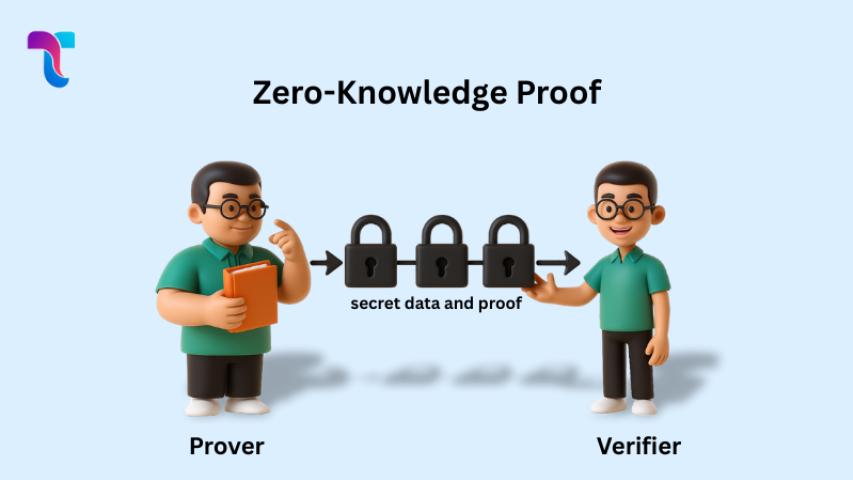
- ZK-Rollups (Zero-Knowledge Rollups): Use cryptographic proofs to validate transactions
efficiently.
- State Channels:
Enable participants to transact off-chain, only finalizing results on
Layer 1.
- Sidechains:
Independent blockchains linked to Layer 1, allowing assets to move between
chains.
- Plasma Chains:
Child chains that bundle transactions before submitting them to the
Ethereum mainnet.
Why Layer 2 is Crucial for Blockchain Adoption
The growth of blockchain
applications has highlighted some critical limitations of Layer 1 networks:
- Low Throughput:
Ethereum can process ~30 transactions per second, insufficient for
large-scale applications.
- High Gas Fees:
Network congestion increases transaction costs, making small transactions
uneconomical.
- Latency:
Confirming transactions on the main chain can take minutes, hindering
real-time applications.
Layer 2 solutions address these pain
points:
- Enhanced Scalability:
Supports thousands of transactions per second, enabling mass adoption.
- Lower Transaction Costs: Off-chain processing reduces fees dramatically.
- Faster Transaction Finality: Users experience near-instant confirmation.
- Maintained Security:
Layer 2 solutions inherit the security of Layer 1 while optimizing
efficiency.
Benefits of Layer 2 Blockchain Development Solutions
1. High-Speed Transactions
Layer 2 networks process
transactions off-chain, ensuring faster execution. This is critical for
applications requiring instant confirmation, such as payments, gaming, and decentralized
exchanges (DEXs).
2. Reduced Gas Fees
Transaction batching and off-chain
processing significantly reduce the gas fees, making microtransactions feasible
and cost-effective for everyday users.
3. Scalability for dApps
Decentralized applications can grow
without worrying about network congestion or high operational costs, ensuring
smooth user experiences.
4. Security and Reliability
Most Layer 2 solutions settle on the
Layer 1 chain, inheriting its security guarantees while providing optimized performance.
5. Flexibility and Interoperability
Many Layer 2 solutions are
compatible with multiple Layer 1 blockchains, enabling developers to choose the
best ecosystem for their application.
Use Cases of Layer 2 Blockchain Solutions
1. DeFi Platforms
DeFi applications rely on high-speed
transactions and low fees. Layer 2 enables efficient trading, lending, and
staking without the prohibitive gas costs of Layer 1 networks.
2. NFT Marketplaces
NFT trading requires fast settlement
and affordable transactions. Layer 2 solutions make minting, buying, and
selling NFTs economical and efficient.
3. Gaming and Metaverse
Blockchain-based games and metaverse
platforms demand instant interactions. Layer 2 ensures smooth gameplay and
reduces friction for in-game transactions.
4. Payments and Micropayments
Layer 2 allows businesses to accept
crypto payments with minimal fees and near-instant confirmations, supporting
mass adoption.
5. Supply Chain and Enterprise Applications
Enterprises implementing blockchain
for tracking goods, identity verification, or asset management benefit from
Layer 2’s scalability and cost-efficiency.
Challenges in Layer 2 Blockchain Development
While Layer 2 provides significant
advantages, developers must navigate several challenges:
- Complex Integration:
Layer 2 solutions require careful integration with existing Layer 1
infrastructure.
- User Adoption:
Users must understand how to interact with Layer 2 networks, including
wallet support and asset bridging.
- Security Risks:
Although Layer 2 inherits Layer 1 security, improper implementation or
smart contract vulnerabilities can be exploited.
- Interoperability Issues: Different Layer 2 protocols may not communicate seamlessly,
posing challenges for cross-chain operations.
Best Practices for Layer 2 Development
- Choose the Right Layer 2 Solution: Rollups, state channels, or sidechains depending on
your application requirements.
- Optimize Smart Contracts: Ensure smart contracts are efficient and compatible
with Layer 2 execution.
- Bridge Assets Carefully: Use secure bridging protocols to transfer assets
between Layer 1 and Layer 2.
- Focus on User Experience: Simplify onboarding, transactions, and wallet
interactions for end users.
- Audit and Test:
Conduct comprehensive security audits to minimize vulnerabilities.
The Future of Layer 2 Blockchain
As blockchain adoption grows, Layer
2 solutions will become integral to the ecosystem. Ethereum’s shift to
proof-of-stake (Ethereum 2.0) combined with Layer 2 rollups promises even
faster, cheaper, and more scalable networks. Cross-chain Layer 2 solutions and
interoperability standards are expected to emerge, enabling seamless
communication between blockchains.
Layer 2 development is not just
about speed—it’s about unlocking the full potential of blockchain for global
users. Businesses, developers, and innovators who adopt Layer 2 solutions early
will gain a competitive advantage in the evolving Web3 landscape.
Conclusion
Layer 2 blockchain development
solutions are revolutionizing how blockchains
handle transactions, making networks faster, cheaper, and scalable. By building
on top of Layer 1 blockchains, these solutions maintain security while
enhancing performance, opening new opportunities for DeFi, NFTs, gaming,
enterprise applications, and more.
For startups and enterprises seeking
to unlock speed and scalability, investing in Layer 2 development is a
strategic move. With careful planning, robust architecture, and expert
guidance, Layer 2 solutions can transform ideas into high-performing, scalable,
and cost-effective blockchain applications.
Whether you’re designing a DeFi
protocol, NFT marketplace, or enterprise blockchain system, Layer 2 development
is the key to achieving faster, more reliable, and economically viable
solutions in the Web3 era.