Prolix India is one of the leading BIS Consultant in India , helping manufacturers obtain their BIS licences hassle-free.
India’s electronics market is growing rapidly, and regulatory compliance has become a critical requirement for manufacturers and importers. One of the most important compliance frameworks is the BIS CRS Registration system, which ensures that electronic products meet prescribed Indian safety standards before they are sold in the country.
The Compulsory Registration Scheme, commonly known as the BIS CRS Scheme, was introduced to protect consumers from substandard and unsafe electronic goods. Under this scheme, specific categories of electronics and IT products must be registered with the Bureau of Indian Standards before being launched in the Indian market.
This article explains the complete process of BIS CRS Certification, its importance, documentation requirements, and how businesses can successfully obtain CRS Registration.
What is BIS CRS Registration?
BIS CRS Registration refers to the mandatory registration process under the Compulsory Registration Scheme for electronics and IT products. The scheme was introduced by the Government of India to ensure that products comply with applicable Indian Standards (IS).
Under CRS, manufacturers are required to:
-
Test products in BIS-recognized laboratories
-
Submit an application for registration
-
Receive approval from BIS
-
Use the Standard Mark with a unique registration number
Unlike the traditional ISI licensing system, CRS Registration is based on self-declaration of conformity supported by laboratory test reports.
Understanding the BIS CRS Scheme
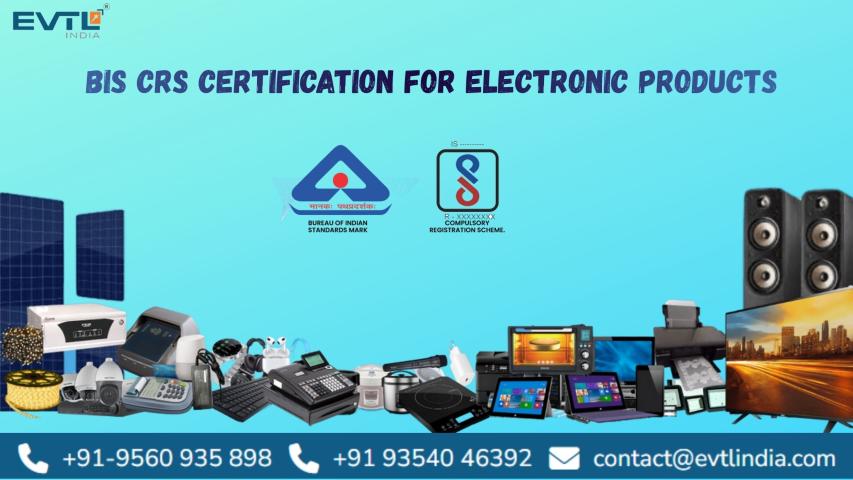
The BIS CRS Scheme applies to a wide range of electronic and IT products such as:
-
LED lights
-
Mobile phones
-
Power adapters
-
Laptops and tablets
-
Set-top boxes
-
Electronic toys
-
Batteries
-
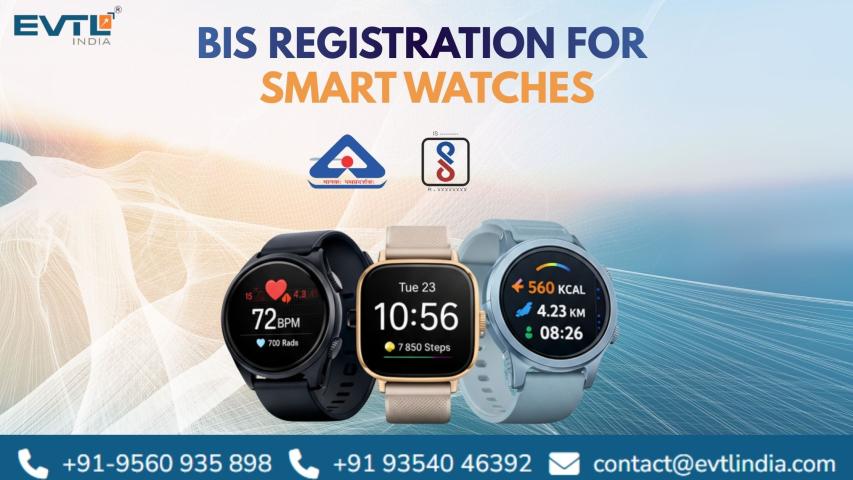
Smart watches and wearables
The Ministry of Electronics and Information Technology (MeitY) notifies products that fall under this scheme. Manufacturers cannot sell, import, or distribute notified products in India without valid CRS Certification.
The primary objective of the scheme is to:
-
Ensure product safety
-
Maintain quality standards
-
Prevent the import of substandard electronics
-
Promote consumer protection
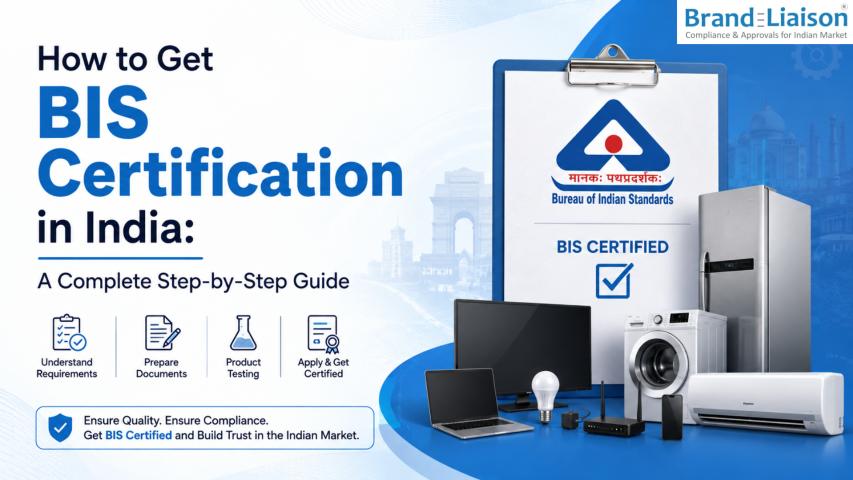
BIS CRS Certification Process
The BIS CRS Certification process involves several important stages. While the procedure is structured, it requires careful preparation to avoid delays or rejection.
1. Product Testing
The product must be tested in a BIS-recognized laboratory in India. The test report must comply with the relevant Indian Standard (IS). Testing validates safety, performance, and quality parameters.
2. Documentation Preparation
Applicants must prepare technical and legal documents including:
-
Business license of manufacturer
-
Manufacturing unit details
-
Product technical specifications
-
Circuit diagrams
-
PCB layout
-
Authorized Indian Representative (AIR) details (for foreign manufacturers)
-
Trademark certificate (if applicable)
3. Online Application Submission
The application is submitted through the BIS online portal along with test reports and required documents.
4. Scrutiny by BIS
BIS officials examine the application and documents. If everything is in order, the registration is granted.
5. Grant of Registration
Upon approval, BIS issues a Registration Number. The manufacturer can then affix the Standard Mark along with the unique registration number on the product.
CRS Registration for Foreign Manufacturers
Foreign manufacturers must appoint an Authorized Indian Representative (AIR) to apply for CRS Registration. The AIR acts as a local liaison between BIS and the overseas manufacturer.
This requirement ensures accountability and smooth communication during certification and post-certification compliance.
BIS Registration for Electronic Products: Why It Matters
BIS Registration for Electronic Products is not just a legal formality; it offers several business advantages:
1. Legal Market Access
Without CRS Registration, notified products cannot be imported or sold in India. Certification ensures smooth customs clearance and lawful distribution.
2. Consumer Trust
The BIS Standard Mark increases credibility and assures consumers of safety and quality compliance.
3. Brand Protection
Certification helps prevent legal penalties, product recalls, and reputational damage.
4. Regulatory Compliance
Businesses remain aligned with Indian government regulations, reducing operational risks.
Common Challenges in CRS Certification
Although the process appears straightforward, manufacturers often face challenges such as:
-
Incorrect documentation
-
Mismatch in product specifications
-
Errors in test reports
-
Delays in laboratory testing
-
Portal-related technical issues
Even minor inconsistencies can lead to objections from BIS, resulting in delays. Therefore, careful planning and expert guidance are important.
Validity and Renewal of BIS CRS Certification
CRS Registration is typically granted for two years. After this period, manufacturers must apply for renewal to continue selling their products in India.
Renewal requires:
-
Updated documentation
-
Continued compliance with standards
-
Payment of renewal fees
Maintaining product consistency is essential. Any design or specification change may require fresh testing and approval.
Marking and Labeling Requirements
Once CRS Certification is granted, the product must display:
-
The BIS Standard Mark
-
Registration number
-
Manufacturer’s details
Improper marking can result in penalties or suspension of registration. Therefore, labeling guidelines must be followed strictly.
Post-Certification Compliance
After obtaining BIS Certification for Electronic Products, manufacturers must ensure:
-
Consistent product quality
-
Compliance with applicable Indian Standards
-
Immediate reporting of product modifications
-
Cooperation during surveillance or inspection
Non-compliance can lead to cancellation of registration.
Conclusion
The BIS CRS Registration process plays a vital role in ensuring safety and quality standards for electronics in India. Whether it is CRS Registration for domestic manufacturers or foreign brands entering the Indian market, compliance under the BIS CRS Scheme is mandatory for notified products.
From product testing to final approval, each stage requires technical accuracy and regulatory understanding. Proper planning, correct documentation, and adherence to BIS norms help avoid unnecessary delays and ensure faster approvals.
For businesses seeking smooth and reliable BIS CRS Certification support, professional consulting guidance can simplify the entire process. Prolix India provides structured assistance to manufacturers and importers, helping them achieve timely certification and seamless entry into the Indian electronics market while maintaining full regulatory compliance.