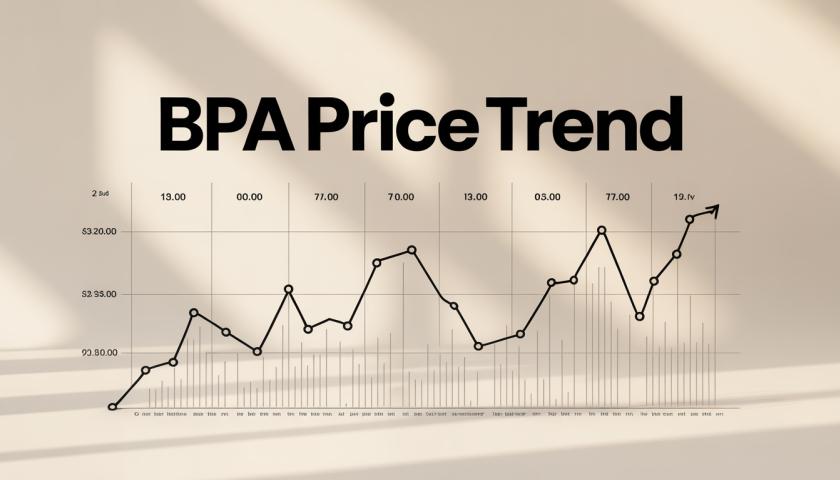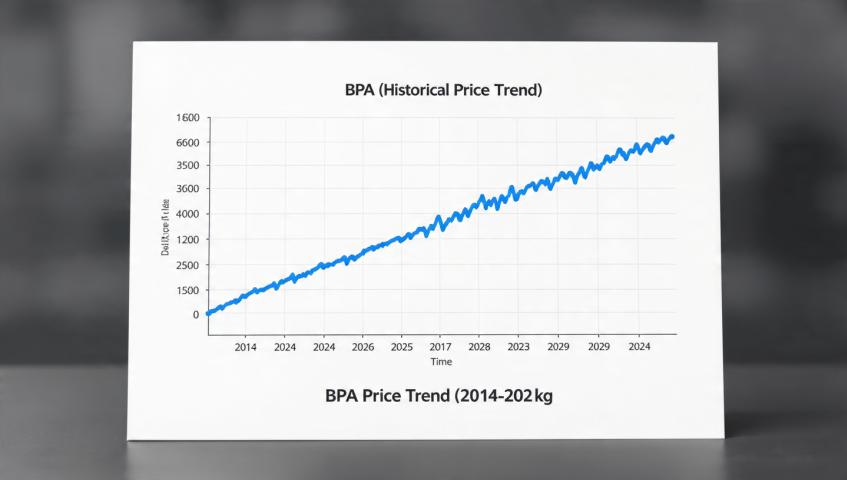
The BPA Price Trend has become an important topic for industries and buyers who depend on this chemical compound. BPA, or Bisphenol A, is widely used in the production of plastics and resins. It plays a key role in manufacturing polycarbonate plastics and epoxy resins, which are found in everyday products like water bottles, food containers, automotive parts, and electronic items. Because BPA is connected to so many industries, changes in BPA prices can affect businesses and even consumers in indirect ways.
Understanding how BPA prices move over time is not just about numbers. It is about supply, demand, raw materials, and global market conditions. When we look at the BPA price trend, we see a story shaped by many economic and industrial factors.
What Influences the BPA Price Trend?
The BPA price trend is mainly influenced by raw material costs. BPA is produced using phenol and acetone, both of which are derived from crude oil. When crude oil prices rise, the cost of producing phenol and acetone also increases. As a result, BPA prices often move upward. On the other hand, when oil prices fall, production costs can decrease, which may push BPA prices down.
Another major factor is demand from end-use industries. The construction, automotive, and electronics sectors are large consumers of BPA-based materials. When these industries grow rapidly, demand for BPA increases. This higher demand can support rising BPA prices. However, if there is a slowdown in manufacturing or construction activity, demand weakens and the BPA price trend may move downward.
Seasonal demand can also play a role. For example, certain industries increase production during specific times of the year, which can temporarily affect BPA prices.
Supply and Production Factors
Supply conditions strongly affect BPA prices. If production plants face shutdowns due to maintenance, technical issues, or unexpected events, supply becomes tight. In such cases, the BPA price trend often shows an upward movement because buyers compete for limited material.
On the other hand, when new production capacities are added to the market, supply increases. If demand does not grow at the same pace, BPA prices may soften. In global markets, especially in regions like Asia, large production hubs can influence international BPA prices. Any disruption or expansion in these regions can impact the overall trend.
Trade policies and transportation costs are also important. High freight rates or export restrictions can increase the final cost of BPA in importing countries. This creates regional differences in BPA prices.
Global Economic Impact on BPA Prices
The global economy plays a crucial role in shaping the BPA price trend. During times of strong economic growth, industrial production expands. This increases the demand for plastics and resins, supporting stable or rising BPA prices.
However, during economic downturns or financial uncertainty, industries reduce output. This can lower demand for BPA and lead to price corrections. For example, when global supply chains are disrupted or when inflation pressures reduce consumer spending, manufacturers may slow down production, which affects BPA demand.
Currency exchange rates also have an impact. Since BPA is traded internationally, fluctuations in major currencies can influence import and export pricing. A weaker local currency can make BPA imports more expensive, even if global prices remain stable.
Market Volatility and Recent Observations
In recent years, the BPA price trend has shown periods of volatility. Sudden changes in raw material costs, unexpected plant shutdowns, and global events have created sharp price movements. At times, BPA prices increased rapidly due to tight supply and strong demand. In other periods, prices corrected when supply improved or demand weakened.
This volatility has encouraged many buyers to monitor BPA prices more closely. Companies often track market updates and forecasts to manage purchasing decisions effectively. Some businesses prefer long-term contracts to reduce the risk of sudden price spikes, while others buy in smaller quantities to stay flexible.
The secondary keyword, BPA prices, is frequently discussed in market reports because even small changes can impact production costs for manufacturers. For industries operating with tight profit margins, monitoring BPA prices becomes a necessary part of business strategy.
Future Outlook of the BPA Price Trend
Looking ahead, the BPA price trend is expected to remain influenced by raw material costs, environmental regulations, and global industrial growth. Sustainability concerns may also shape the market. As companies explore alternative materials or recycling solutions, long-term demand patterns could shift.
However, BPA continues to be an important material in many applications. As long as demand for polycarbonate plastics and epoxy resins remains steady, BPA prices will stay closely linked to industrial performance.
In simple terms, the BPA price trend reflects the balance between supply and demand, the cost of raw materials, and overall economic health. For manufacturers, traders, and buyers, understanding these basic factors helps in making informed decisions. By keeping an eye on production updates, oil prices, and global economic signals, businesses can better prepare for future movements in BPA prices.
The market may experience ups and downs, but careful observation and planning can help companies manage risks effectively.
👉 👉 👉 Please Submit Your Query for BPA Price Trend, demand-supply, suppliers, market analysis:https://www.price-watch.ai/book-a-demo/
About Price-Watch™
Price-Watch™ is an India-based, independent price reporting agency (PRA) that provides real-time price forecasts and data-driven insights into global raw material markets. It specializes in tracking prices, analyzing market trends, and delivering timely updates on plant shutdowns, supply disruptions, capacity expansions, and demand–supply dynamics. Price-Watch™ reporting goes beyond prices to include grade-level insights, applications, and country-level demand intelligence you can trust. Powered by AI forecasting and over a decade of historical data, the Price-Watch™ platform empowers manufacturers, traders, and procurement professionals to make faster, smarter decisions and turn market volatility into actionable opportunity.
Futura Tech Park,
C Block, 8th floor 334,
Old Mahabalipuram Road,
Sholinganallur, Chennai, Tamil Nadu, Pincode - 600119.
Linkedin: https://www.linkedin.com/company/price-watch-ai/
Facebook: https://www.facebook.com/people/Price-Watch/61568490385598/
Twitter: https://x.com/pricewatchai
Website: https://www.price-watch.ai/