Ear infections are a common health concern that can affect individuals of all ages, especially young children. These infections often cause discomfort, pain, and temporary hearing difficulties. Detecting ear infections at an early stage is essential for effective treatment and for preventing complications. One of the most important diagnostic tools used by healthcare professionals for this purpose is the otoscope.
Otoscope examinations allow doctors to visually inspect the ear canal and eardrum, helping them identify signs of infection quickly. By providing a clear and magnified view of the ear’s internal structures, this device plays a vital role in diagnosing ear conditions accurately.
Understanding Ear Infections
Ear infections typically occur when bacteria or viruses cause inflammation in the middle ear. This often happens after illnesses such as colds, sinus infections, or respiratory infections. When fluid becomes trapped behind the eardrum, it creates an environment where germs can grow and cause infection.
Common symptoms associated with ear infections include:
-
Ear pain or discomfort
-
Difficulty hearing clearly
-
Fever, particularly in children
-
A feeling of pressure in the ear
-
Fluid drainage from the ear
Because these symptoms can sometimes resemble other ear-related conditions, a proper examination is necessary to confirm the diagnosis.
What Is an Otoscope?
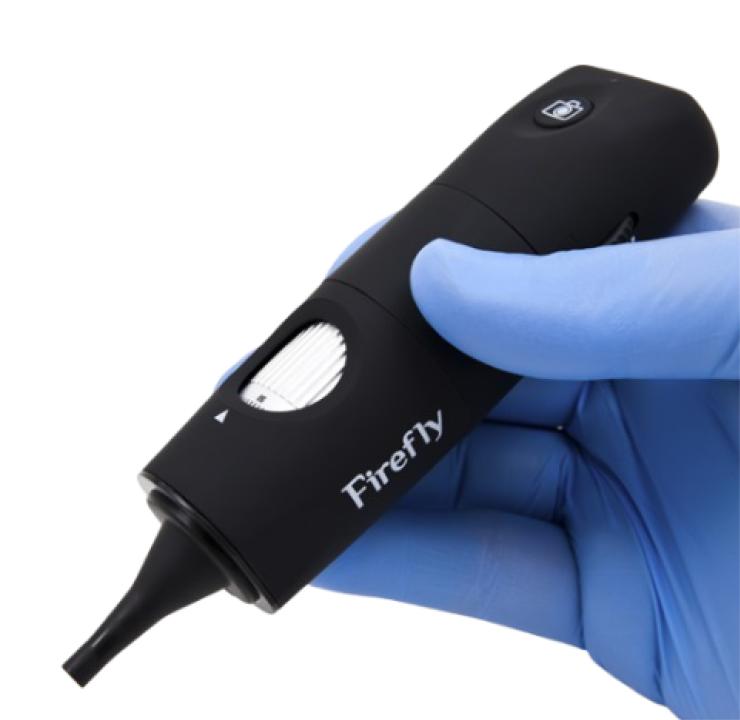
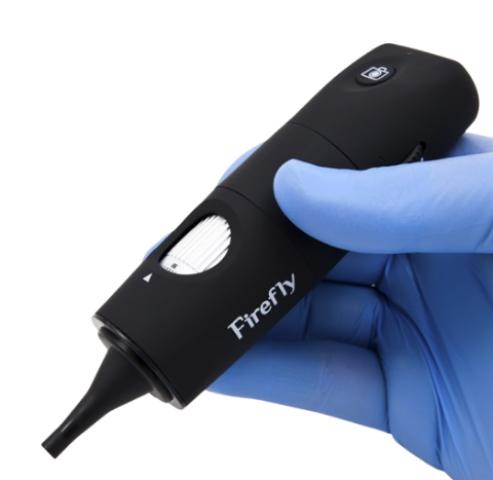
An otoscope is a handheld medical instrument designed to examine the ear canal and eardrum. It includes a built-in light source and a magnifying lens that allow doctors to clearly see inside the ear.
The device also uses a small attachment known as a speculum, which is gently inserted into the ear canal during the examination. This design ensures that doctors can inspect the ear safely and comfortably while maintaining a clear view of its internal structures.
Otoscope examinations are commonly performed in hospitals, clinics, and pediatric offices as part of routine medical care.
How Otoscopes Help Detect Ear Infections Early
One of the primary roles of an otoscope is to help doctors detect visual signs of infection inside the ear. During an examination, healthcare professionals carefully observe the condition of the eardrum and surrounding tissues.
Some of the signs that may indicate an ear infection include:
-
Redness or inflammation of the eardrum
-
Bulging of the eardrum caused by pressure from fluid
-
Cloudy or opaque appearance behind the eardrum
-
Fluid accumulation in the middle ear
By identifying these symptoms early, doctors can determine whether an infection is present and recommend the appropriate treatment.
Importance of Early Diagnosis
Early detection of ear infections is essential for effective treatment and better health outcomes. When infections are diagnosed quickly, patients can receive treatment before the condition worsens.
Early diagnosis can help:
-
Reduce pain and discomfort
-
Prevent complications such as hearing problems
-
Limit the spread of infection
-
Support faster recovery
Prompt medical attention ensures that patients receive the care they need before the infection becomes more severe.
The Role of Otoscopes in Pediatric Healthcare
Children are particularly vulnerable to ear infections because their ear anatomy makes it easier for fluid to accumulate in the middle ear. As a result, pediatricians frequently use otoscopes to examine children who show signs of ear discomfort.
Since young children may not always be able to explain their symptoms clearly, visual examination becomes extremely important. Otoscopes allow doctors to quickly assess the condition of the ear and provide appropriate treatment.
Early diagnosis in children also helps prevent recurring infections that could affect hearing development.
Advances in Otoscope Technology
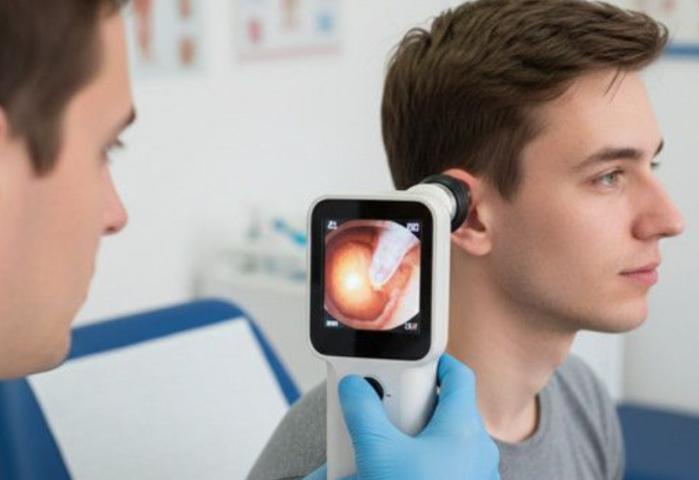
Over the years, medical technology has introduced more advanced versions of traditional otoscopes. Digital otoscopes now allow doctors to capture detailed images or videos of the ear canal and eardrum.
These images can be displayed on a screen, providing a clearer view of the ear’s internal structures. Digital otoscopes also allow healthcare professionals to store images for medical records or share them with specialists for further analysis.
Such advancements improve diagnostic accuracy and enhance overall patient care.
Maintaining Healthy Ears
While otoscopes are essential for diagnosing ear infections, individuals can also take steps to maintain good ear health. Avoid inserting objects into the ear canal, treat respiratory infections promptly, and seek medical advice if symptoms such as ear pain or hearing problems occur.
Routine medical checkups that include ear examinations can also help detect potential issues early.
Conclusion
Otoscope examinations play a crucial role in the early detection of ear infections. By allowing doctors to closely inspect the ear canal and eardrum, this simple yet powerful diagnostic tool helps identify infections before they become severe.
Early detection enables timely treatment, reduces discomfort, and prevents complications related to ear health. As a result, otoscopes remain an essential instrument in modern healthcare for diagnosing ear infections and ensuring effective patient care.