Introduction
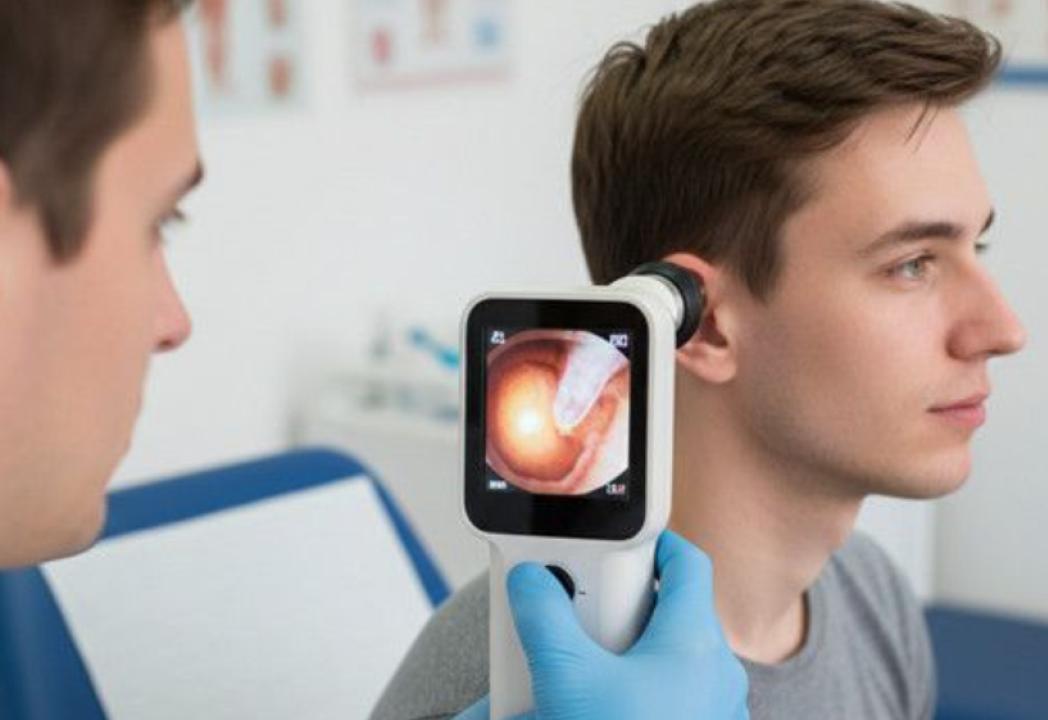
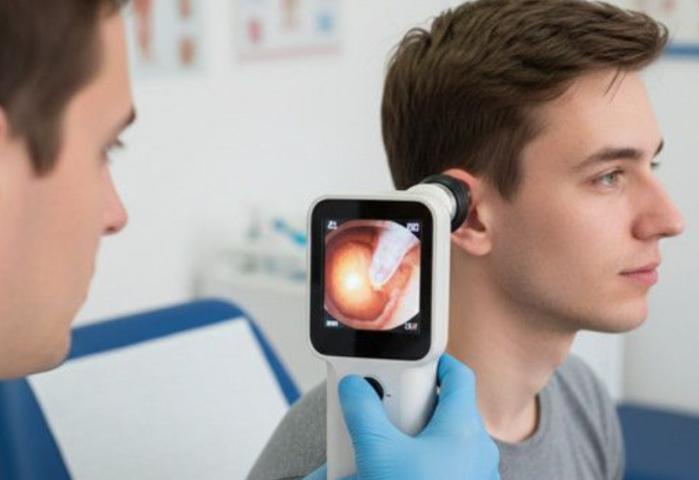
Ear health problems can develop due to infections, blockages, injuries, or other medical conditions. Many of these issues cannot be properly diagnosed without a visual examination of the ear canal and eardrum. For this reason, doctors commonly perform ear examinations using an ear inspection tool that allows them to clearly observe the internal structures of the ear.
An otoscope examination helps healthcare professionals detect abnormalities, infections, and other conditions affecting the ear. By using an ear inspection tool during a checkup, doctors can quickly identify problems and recommend the appropriate treatment. Below are ten ear health issues that often require a professional otoscope examination.
1. Ear Infections
Ear infections are one of the most frequent ear health issues. They can cause pain, swelling, and fluid buildup inside the ear. Doctors use an ear inspection tool to look for redness, inflammation, and other visible signs of infection within the ear canal.
2. Impacted Earwax
Excessive earwax buildup can block the ear canal and lead to hearing problems or discomfort. During an examination, doctors use an ear inspection tool to determine whether hardened wax is causing the blockage.
3. Middle Ear Fluid Buildup
Fluid accumulation behind the eardrum can create pressure and temporary hearing difficulties. An ear inspection tool helps doctors observe the condition of the eardrum and detect the presence of trapped fluid.
4. Perforated Eardrum
A perforated or torn eardrum may occur due to infection, injury, or sudden pressure changes. Using an ear inspection tool, doctors can carefully inspect the eardrum and identify any visible tears or damage.
5. Outer Ear Canal Inflammation
Inflammation of the ear canal may result from bacterial infections, allergies, or irritation. An examination with an ear inspection tool allows doctors to detect swelling, redness, and irritation inside the ear.
6. Foreign Objects in the Ear
Small objects or debris can sometimes become lodged in the ear canal, especially in children. Doctors rely on an ear inspection tool to locate these objects and remove them safely.
7. Chronic Ear Conditions
Some individuals experience recurring ear issues that require ongoing monitoring. Regular examinations using an ear inspection tool help doctors track changes in the ear canal and assess the effectiveness of treatments.
8. Ear Injuries
Trauma to the ear or head can affect the ear canal or eardrum. Doctors often perform an examination with an ear inspection tool to ensure there is no internal damage.
9. Hearing Loss Causes
When patients experience hearing loss, doctors may perform an ear examination to determine whether the cause is related to blockages, infections, or structural issues. An ear inspection tool helps identify visible factors affecting hearing.
10. Persistent Ear Irritation
Long-term itching, discomfort, or irritation inside the ear may signal infections or skin conditions. By examining the ear with an ear inspection tool, doctors can determine the source of the irritation and recommend suitable treatment.
Conclusion
Many ear health problems require a detailed examination to be properly diagnosed. An otoscope exam allows doctors to visually inspect the ear canal and eardrum for signs of infection, blockage, or structural damage. Using an ear inspection tool during these examinations helps healthcare professionals detect problems early and provide effective treatment.
Regular ear checkups and timely medical attention can help protect hearing and prevent minor ear issues from becoming more serious conditions. Taking care of ear health is an important part of maintaining overall well-being.
Original Article :- https://statusmessagesquotes.com/ear-checkup-when-do-you-need-an-otoscope-exam/