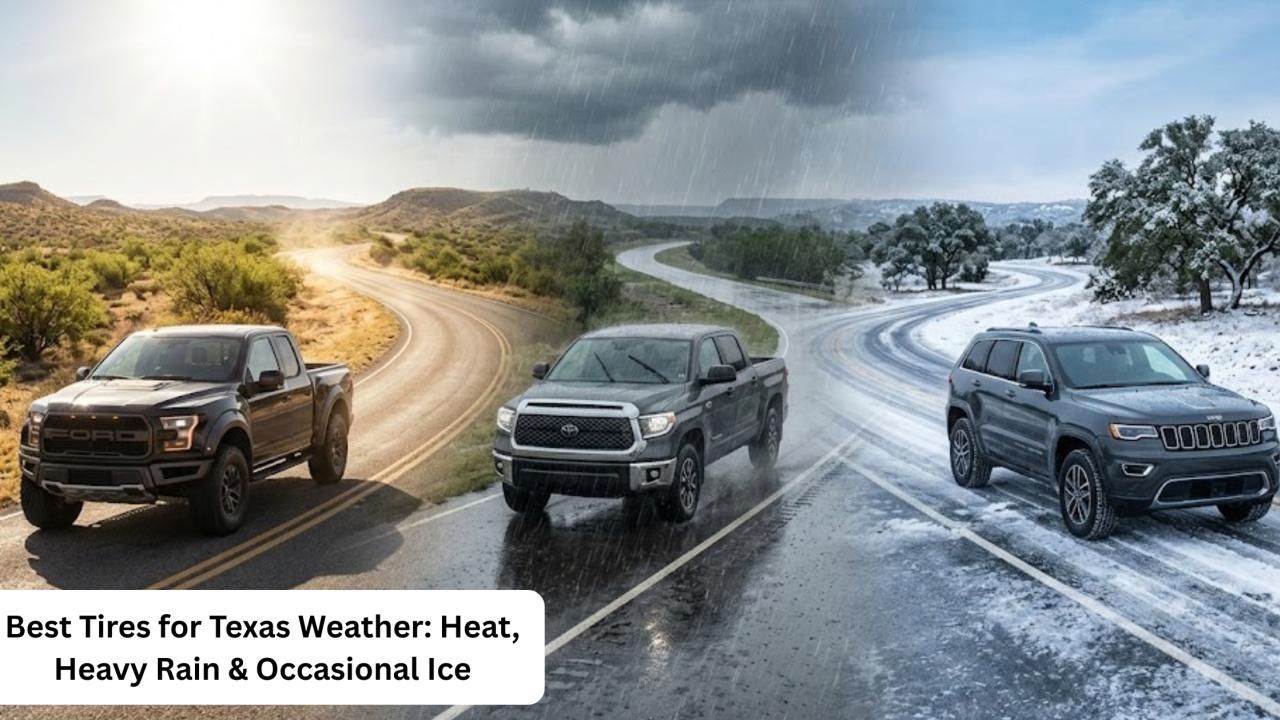
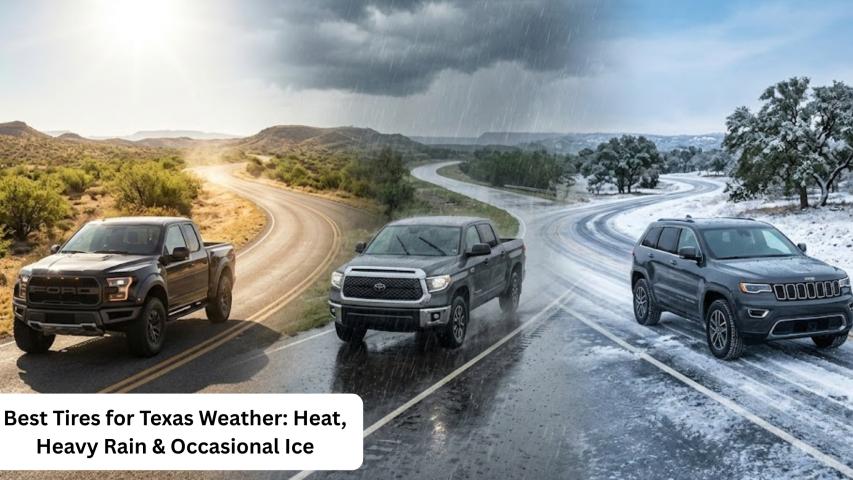
Texas is unpredictable when it comes to driving. One day, the sun beats down scorchingly, and the next, a sudden storm floods the roads. Icy spots can remain even in winter on bridges and overpasses, where many drivers may be caught unaware. That is why selecting the best weather tires from a trusted tire shop in Texas is not just a matter of preference; it’s a requirement.
The ideal tire should handle extreme heat, heavy rain, and occasional ice without wearing out too quickly. In this guide, we’ll walk you through what makes a tire suitable for your vehicle and how to pick one that keeps you safe and comfortable year-round.
Texas Road & Weather Challenges
1. Texas Heat
Texas summers are not simple, and road temperatures hitting 130°F or more can actually soften your tires and wear them out way too fast. Those long highway stretches only make things worse, putting constant heat and heavy pressure on the rubber, which eventually ruins their performance and makes your drive a lot less safe.
2. Heavy Rain and Flash Storms
Storms in Texas are known for their torrential downpours. Water can quickly build up on roads, increasing the risk of hydroplaning for cars. To get rid of this water, tires require deep grooves and intelligent tread patterns. Otherwise, even seasoned drivers can slip and slide on slippery roads.
3. Occasional Ice and Winter Cold Fronts
Even though winters in Texas are usually mild, strong cold fronts can result in icy conditions, especially on bridges and shaded areas. Though snow is not common, these frozen oversnow can be dangerous for unprepared motorists. Even a warm-weather tire should retain some grip under these conditions.
Key Tire Features for Texas
Not all tires are the same, and in a state with as many driving environments as Texas, they need to be different. Here’s what to look for:
1. Heat-Resistant Rubber
Tires made with heat-resistant compounds are better equipped to handle high temperatures without softening or breaking down. This helps maintain tire performance and extends tire life, even during long, hot summer drives.
2. Strong Wet Traction
Deep grooves and well-designed tread patterns help ensure hydroplaning is avoided. They channel water away from the contact patch to improve grip in an under-engineered Thunderstorm and make you safer on wet surfaces.
3. All-Season Versatility
Most Texas motorists don’t need specialized winter tires, but all-season tires can be a compromise. They offer better traction in both hot and cool weather, as well as moderate winter ice.
4. Built for Long Highway Stretches
If you're driving in Texas, you’re likely putting in some serious highway miles. A tough tire stays steady when you’re cruising at high speeds, doesn't wear down too fast, and keeps the ride smooth and comfortable for the long haul.
Top Tire Types for Texas Roads
1. All Season Tires
They are a dependable, long-term pick for daily drive or a weekend trip, giving you year-round peace of mind without the constant worry of needing a replacement as they handle every type of season.
2. Touring Tires
Touring tires are focused on comfort and a smooth ride. They make less “road noise” on extended drives and are generally made for fewer trips to the pump. These are ideal for daily commuters and long hours on highways.
3. All-Weather Tires
They offer more winter grip than normal all-season tires and still resist heat and rain. For parts of Texas that enjoy occasional ice or snow in the winter, these can be a wise investment.
Must-Have Tire Features
When looking for tires, look for these attributes:
- Long-lasting tread: Now they won’t wear away quickly on hot asphalt.
- Effective water evacuation: Minimize hydroplaning in the storm.
- Good grip in the cold: Safe ice bridge handling
- High-speed steadiness: Retains control on long motorways.
- Look for tires with UTQG ratings (wear, traction, temperature) to ensure suitability.
A tire that strikes a balance between them all can save you from dangerous situations and expensive replacements.
How Texas Heat Impacts Tire Performance
Extreme heat is tough on tires. Hot roads cause air pressure to spike, which can lead to a blowout if your tires were already low. Over time, that constant baking also makes the rubber brittle, meaning you'll have to replace them much sooner.
How to stay safe in the sun:
- Check your tire pressure often during the summer months.
- Get a tire rotation every 5,000–7,000 miles.
- Avoid driving on low tires, as it puts way too much stress on the rubber.
Rain & Ice Driving Tips
Even the best tires require smart driving, especially in tricky conditions.
Rain Driving Tips
- Reduce speed during heavy rainfall.
- Don't slam the brakes or jerk the wheel.
- Always keep a close eye on the vehicle in front of you.
Ice Driving Tips
- When there's ice, take it slow on bridges and overpasses since they freeze first
- Speed up and slow down smoothly, and try not to make any sudden moves
- Use gentle braking and keep ABS engaged on icy spots.
A cautious approach combined with proper tires can significantly reduce risk.
How to Choose the Right Tire for Your Vehicle
1. Vehicle Type: What you drive, whether it's a car, an SUV, or a truck, really dictates the kind of tires you'll need.
2. Routine: Think about where you spend the most time. Is it stop-and-go city traffic, or are you mostly cruising on the highway?
3. Cost vs. Quality: It’s easy to go cheap, but spending a bit more now usually means safer tires that won't wear out as fast.
4. Warranty and tread life: Look for ratings on expected mileage and replacement coverage.
Selecting a tire designed for your vehicle, matching the tire size and speed rating to your vehicle’s manufacturer specifications.
Staying Safe on Texas Roads: Choosing the Right Tires
Texas weather throws everything at you: hot, rainy, and even random icy patches that really test your tires. Picking a set that can actually handle all that variety keeps you safer and helps your tires last much longer.
You'll want something that handles the heat well, grips the road when it’s pouring, and won't slide on light ice. Staying on top of tire maintenance and driving smart also goes a long way in keeping you safe.
Investing in the right tires saves you from expensive repairs and keeps you moving safely across Texas all year.
FAQs - Tires for Texas Weather
Question 1. Do I Need Winter Tires in Texas?
Answer: For most areas, no. All-season or all-weather tires will offer enough grip for infrequent icy conditions.
Question 2. For how long do tires last in the heat of Texas?
Answer: Tires can last 40,000–70,000 miles, depending on quality and maintenance. Regular checks and rotation extend their life span.
Question 3. What tread depths are best for rain?
Answer: A deeper tread is more effective at evacuating water, which reduces the risk of hydroplaning. For safe wet traction, you should have at least 4/32” remaining tread depth.
Question 4: Are all-weather tires better than all-season tires?
Answer: All-weather tires are better for areas with occasional ice, while all-season tires are ideal for the whole year of Texas driving.
Question 5: How often do tires actually need to be rotated? And can you read tire codes to figure out their temperature ratings?
Answer: You should get your tires rotated every 5,000 to 7,000 miles to help them wear down evenly and last longer. To check heat resistance, look at the tire's sidewall for the word Temperature followed by a letter A, B, or C. In the Texas heat, you really want an A or B rating to make sure they can handle those scorching road temperatures safely.