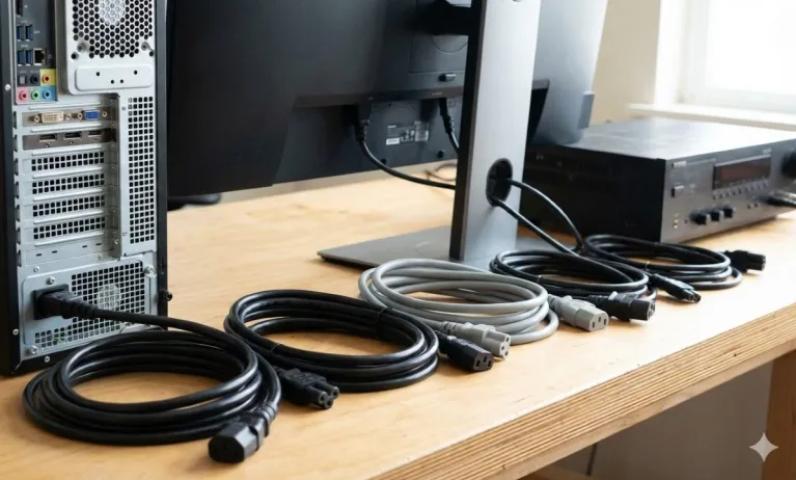
In modern data centers and enterprise IT environments, servers handle massive workloads, critical applications, and sensitive data every second. While organizations often focus on processors, memory, and storage, one important component is frequently overlooked—the power cord. Choosing the right power cord is essential for maintaining server performance, reliability, and safety.
When it comes to server connectivity, iec 320 power cords are widely used across the industry because they provide standardized, reliable power connections for IT equipment. However, selecting the right cord for high-performance servers requires understanding several technical factors such as connector types, amperage ratings, cable quality, and environmental requirements.
This guide will walk you through everything you need to know to choose the right IEC power cords for your high-performance servers.
Understanding IEC Power Cords and Their Importance
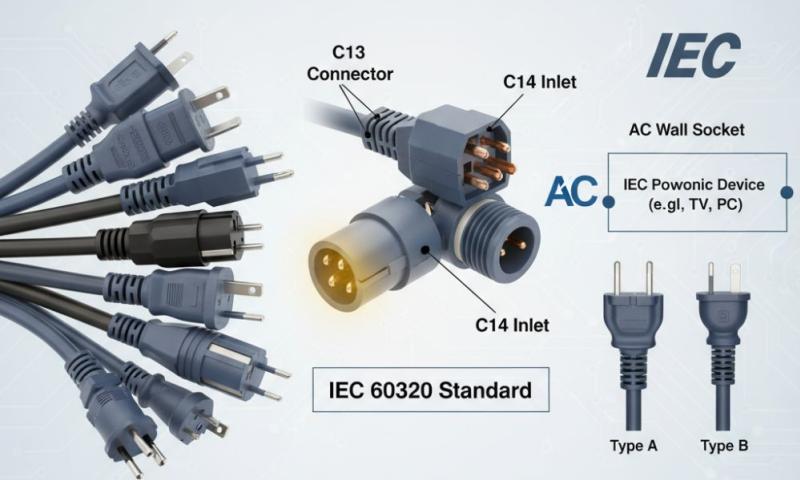
IEC power cords follow international standards developed by the International Electrotechnical Commission (IEC). These standards define connector shapes, voltage ratings, and compatibility across various types of equipment.
The iec 320 standard is commonly used for computers, servers, network switches, and data center equipment. These connectors ensure that power cables are interchangeable across compatible devices while maintaining safety and performance.
For high-performance servers that operate continuously, power cords must deliver stable electrical flow without overheating, voltage drops, or connection failures. A poor-quality cable may cause unexpected downtime, which can lead to lost productivity or even data loss.
Why High-Performance Servers Require the Right Power Cord
Servers running intensive workloads consume significant amounts of power. Unlike desktop computers, these systems operate 24/7 and often run in clusters within racks.
Using the correct iec 320 power cord ensures:
-
Reliable and uninterrupted power supply
-
Protection against overheating and electrical hazards
-
Proper compatibility with server power supplies
-
Long-term durability in demanding environments
A mismatch between the server’s power requirements and the cable’s rating can cause overheating, reduced efficiency, or even equipment damage.
Types of IEC Connectors Used in Servers
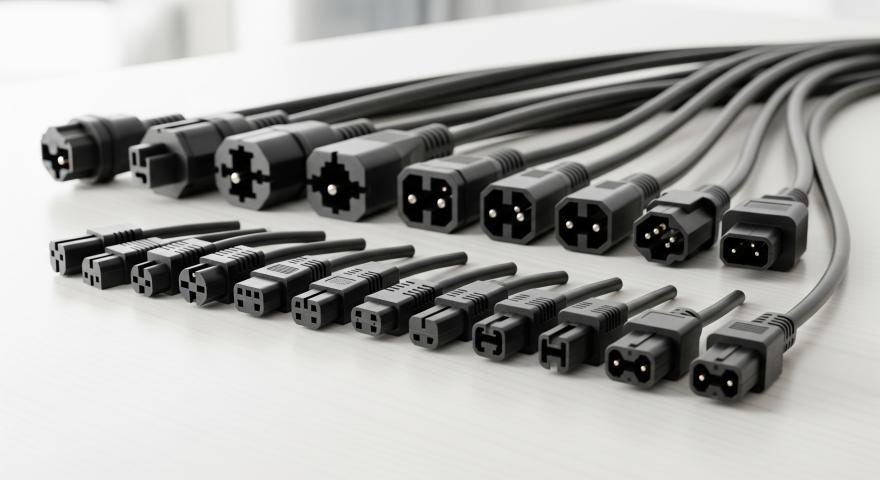
One of the most important aspects of selecting a power cord is identifying the connector type required by your server. Several iec 320 connector types are commonly used in IT equipment.
IEC C13 and C14
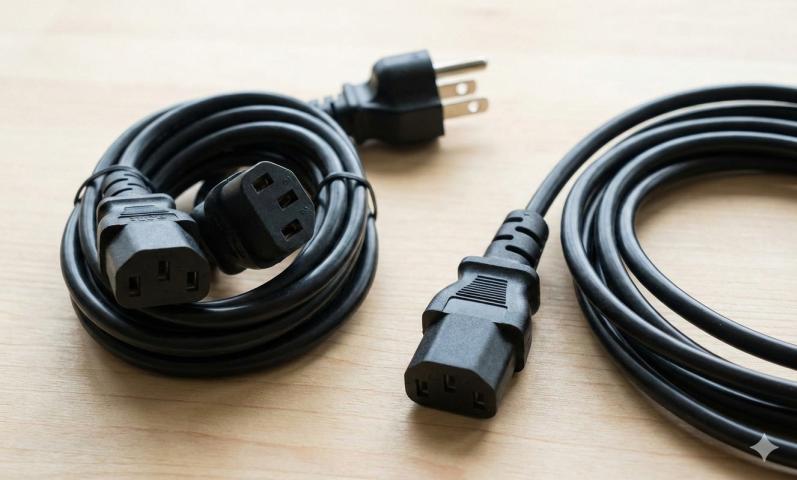
The C13 connector is the most common connector used for desktop computers, monitors, and some servers. It connects to a C14 inlet on the device.
These cables are typically rated for 10A or 15A, making them suitable for standard servers and networking equipment.
IEC C15 and C16
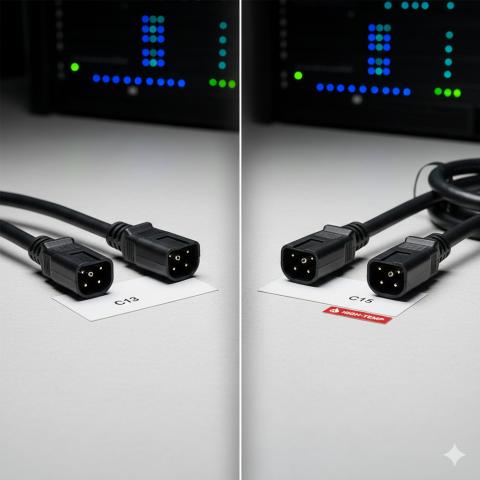
The C15 connector looks similar to the C13 but is designed for higher temperature environments. Many enterprise servers and network switches use this connector because it can handle higher heat levels.
The matching inlet on the device is the C16 connector.
IEC C19 and C20
High-performance servers and data center equipment often require C19 to C20 power cords. These connectors are designed for higher current loads and are commonly used with rack-mounted servers, power distribution units (PDUs), and enterprise-grade equipment.
Check Power Ratings and Electrical Requirements
Before selecting a power cord, you should always check the power specifications of your server. The most important factors include:
Voltage Rating
Ensure the cable supports the voltage used in your region and data center setup. Most iec 320 power cords support common voltage levels such as 120V or 240V.
Current Rating
Servers that consume higher power require cords with higher amperage ratings. For example:
-
Standard equipment: 10A–15A
-
High-performance servers: 16A–20A
Using a cord with insufficient current capacity can cause overheating and cable damage.
Wire Gauge
Cable thickness is measured by wire gauge (AWG). Lower gauge numbers indicate thicker wires capable of carrying more current safely.
Common examples include:
-
18 AWG – lighter loads
-
16 AWG – moderate loads
-
14 AWG – high-performance equipment
For servers in demanding environments, thicker cables provide better safety and durability.
Consider Cable Length and Rack Setup
Cable length may seem like a minor detail, but it plays an important role in maintaining an organized server environment.
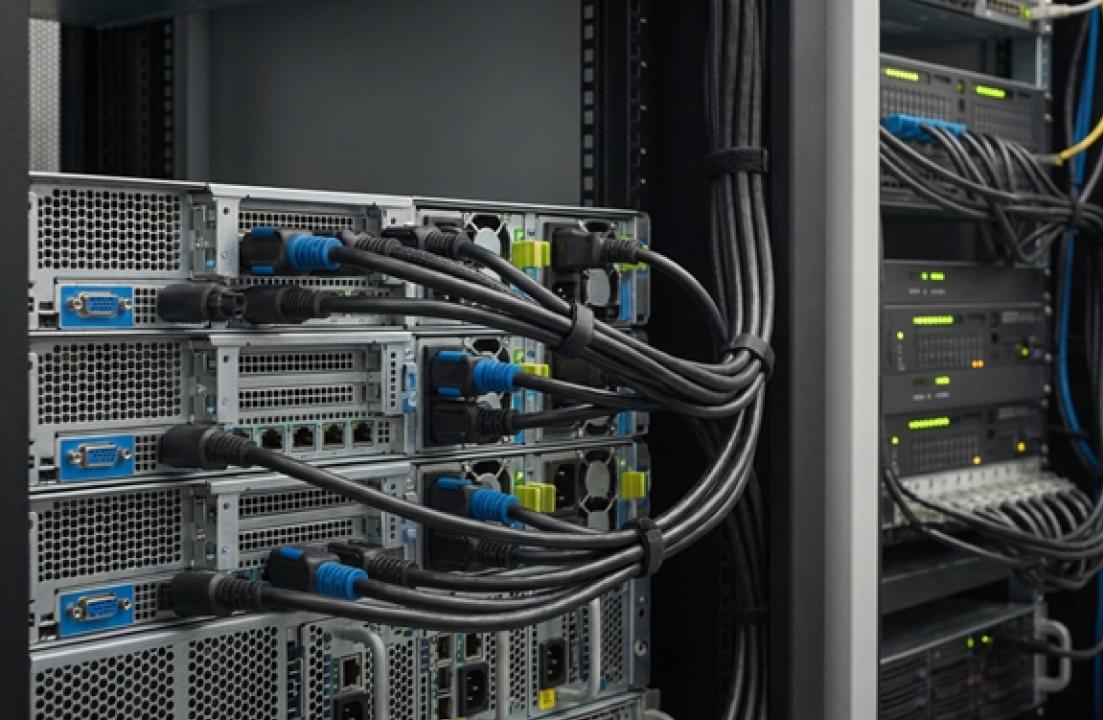
In data centers, proper cable management helps maintain airflow and prevents clutter inside server racks.
When selecting iec 320 power cords, consider:
-
Distance between server and power distribution unit (PDU)
-
Cable routing paths inside racks
-
Avoiding excessive cable slack
Shorter cables improve airflow and reduce cable clutter, while longer cables may be necessary for larger rack setups.
Look for High-Quality Materials and Certification
Not all power cords are manufactured to the same standards. For mission-critical server environments, quality should always be a top priority.
Reliable iec 320 power cords should include certifications such as:
-
UL (Underwriters Laboratories)
-
CSA (Canadian Standards Association)
-
RoHS compliance
High-quality insulation materials and strong connectors ensure that the cable can withstand continuous operation in high-temperature environments.
Durable materials also prevent issues such as cracking, bending damage, and electrical leakage.
Evaluate Heat Resistance and Environmental Conditions
High-performance servers generate a significant amount of heat, especially in densely packed racks. Power cords used in these environments must be able to tolerate higher temperatures.
Cables with C15 connectors are designed specifically for high-temperature applications and are commonly used in servers, networking hardware, and power distribution units.
When choosing iec 320 power cords, make sure they are rated for the operating temperature of your data center or server room.
Ensure Compatibility with Power Distribution Units
Many enterprise environments rely on rack-mounted PDUs to distribute power across multiple servers.
Before purchasing cables, verify that the iec 320 connector type matches the PDU outlet and server inlet. For example:
-
PDU with C20 outlets may require C19 power cords
-
Standard PDU outlets may require C13 connectors
Proper compatibility ensures secure connections and eliminates the risk of loose or unstable power delivery.
Focus on Reliability for Mission-Critical Systems
Servers often run applications that support critical operations such as databases, financial systems, or cloud services. Any interruption in power can cause serious disruptions.
Using reliable iec 320 power cords reduces the risk of:
-
Unexpected server shutdowns
-
Electrical faults
-
Hardware damage
Investing in high-quality cables may seem like a small detail, but it significantly improves overall infrastructure reliability.
Final Thoughts
Selecting the right power cord is an important step in maintaining a reliable and efficient server environment. While many IT professionals focus on hardware specifications, the power infrastructure supporting those systems is equally critical.
Understanding connector types, power ratings, cable quality, and compatibility will help you choose the best iec 320 power cords for your high-performance servers. By investing in the right cables and ensuring proper installation, you can improve server reliability, maintain safety, and support the demanding workloads of modern data centers.
In the end, the right power cord does more than just connect your server to electricity—it ensures consistent performance, long-term durability, and peace of mind for your IT infrastructure.