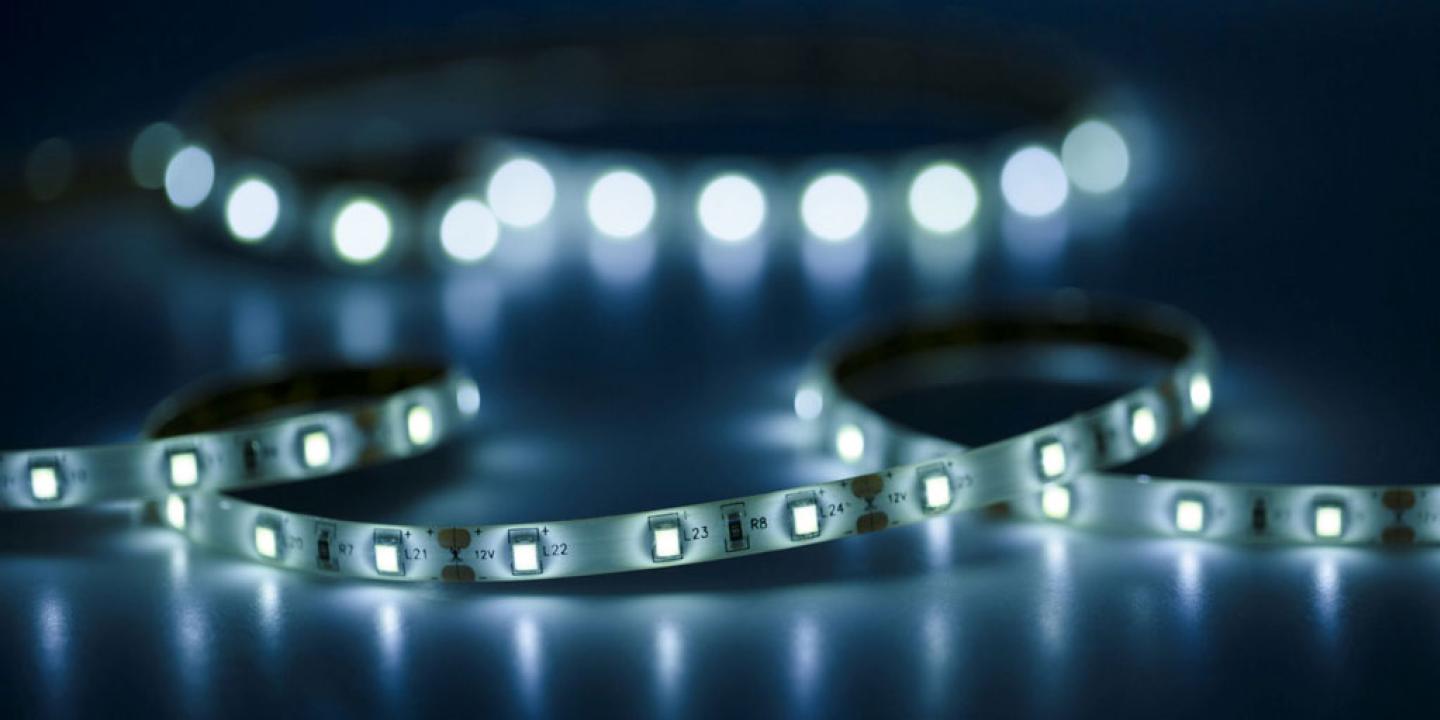
The lighting and electronics sector is transitioning from a conventional, unorganized framework into a highly regulated, technologically advanced, and energy-efficient asset class. For manufacturers, institutional investors, and supply chain leaders, gauging the sheer scale and trajectory of the India Led Lighting Market is the first step in formulating long-term capital allocation strategies.
According to comprehensive market research data published by IMARC Group, the market valuation stood at a formidable USD 6,002.10 Million in 2025. Driven by an aggressive smart city infrastructure push, government energy efficiency programs, and rising urbanization, the sector is experiencing a sustained boom. Expanding at a Compound Annual Growth Rate (CAGR) of 18.58% from 2026 to 2034, the market is projected to multiply its value, reaching an estimated USD 27,814.70 Million by 2034.
Are your current production pipelines and investment portfolios aligned with this massive scale of growth? Request a Business Sample Report for Procurement & Investment Evaluation to access detailed historical valuations and predictive growth models.
Capital Allocation by Segment: Where is the Volume?
Understanding the overarching market size is only half the equation; stakeholders must also analyze how this valuation is distributed across different product types and applications.
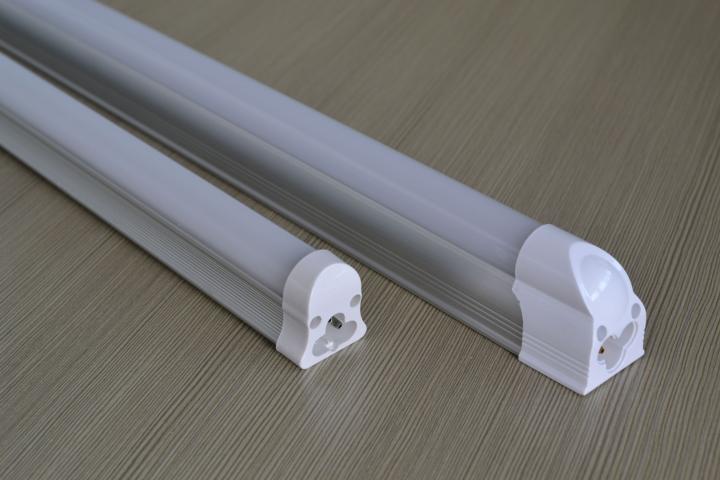
The Panel Light Stronghold: Accounting for a massive 26% of the overall market volume in 2025, Panel Lights have emerged as the undisputed frontrunner in the product category. Their sleek, low-profile aesthetics, uniform light dispersion, and superior power economy make them the default procurement choice for modern corporate architectures, high-end retail chains, and institutional development projects.
The Commercial Application Surge: While residential adoption remains steady, the commercial sector is the true engine of this industry, capturing a commanding 30% share of the total market in 2025. This aggressive capital deployment is directly tied to the rapid scaling of Grade-A workspaces, premium hospitality venues, and modern healthcare infrastructure. Furthermore, strict compliance mandates tied to the Energy Conservation Building Code (ECBC) are forcing legacy commercial buildings to completely overhaul their outdated lighting grids in favor of advanced LED networks.
Strategic Sizing: Infrastructure & Smart City Dominance
The projected USD 27,814.70 Million valuation is heavily tied to high-growth urban transformations. Capital concentration is skewed toward metropolitan expansions and smart city projects. Government-led initiatives, such as the massive installation of LED streetlights by Energy Efficiency Services Limited (EESL) and the UJALA scheme, are acting as the primary engines of this market dominance, absorbing the highest levels of both domestic production output and institutional investment.
Competitive Landscape & Key Player Positioning
Covering an in-depth analysis of the competitive landscape, market structure, key player positioning, competitive dashboards, top winning strategies, and detailed profiles of all major industry participants—you will gain access to all these exclusive insights within the full research report.
Some of the key players include:
- Signify NV
- Surya Roshni Limited
- Crompton Greaves Consumer Electricals Limited
- Bajaj Electricals Limited
- Halonix Technologies Pvt. Ltd.
- Havells India Limited
The Investment Thesis (2026-2034)
The data clearly indicates that the market is scaling rapidly toward the USD 27,814.70 Million mark at a steep 18.58% growth rate. For B2B stakeholders, this means procurement cycles, R&D for smart lighting, and project financing must be aggressively scaled. The integration of IoT capabilities, the rise of human-centric lighting solutions, and the expansion of digital e-commerce distribution are the primary variables that will dictate who captures the largest slice of this expanding market.
Strategic Action Point:
Do not base your multi-million dollar investments on surface-level estimates. Equip your executive board with precise sizing metrics, competitor benchmarks, and localized demand forecasts.
Ask Analyst for Report Customization
Frequently Asked Questions (FAQs)
Q1: What is the current market size and future projection of the Indian Led Lighting Market?
A: According to IMARC Group's market research, the Indian Led Lighting Market size was valued at USD 6,002.10 Million in 2025. Driven by robust demand and an 18.58% CAGR, it is projected to reach an estimated USD 27,814.70 Million by 2034.
Q2: Which product type accounts for the largest volume within this market size?
A: The Panel Lights segment holds the largest share (26%) of the total market valuation. Their sleek design, uniform illumination, and extensive use in modern architectural projects drive this massive volume.
Q3: Which application holds the largest market share in India?
A: Commercial applications capture the largest market share at 30%. Rapid expansion of office spaces, retail establishments, and compliance with Energy Conservation Building Code standards act as the primary engines for this high valuation.
Q4: What are the primary factors expanding the Indian Led Lighting Market so rapidly?
A: This rapid market expansion is primarily driven by supportive government energy efficiency schemes (like UJALA), smart city infrastructure development, and a massive shift toward IoT-integrated smart lighting solutions across the country.
Q5: What is the current trend in market distribution channels?
A: While traditional wholesale networks remain strong, the market is experiencing a massive surge in digital and e-commerce distribution, allowing manufacturers to rapidly penetrate tier-2 and tier-3 cities.
Q6: Where can stakeholders access exact segment sizing data for upcoming projects?
A: To optimize procurement and manufacturing cycles, stakeholders require granular data. For in-depth product sizing, future forecasting models, and competitor benchmarking, you can request a sample of the complete market research report published by IMARC Group.