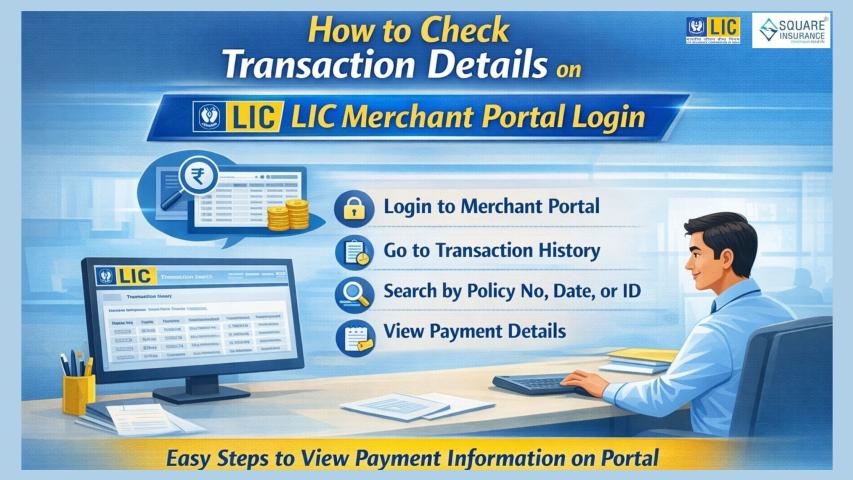
Managing insurance premium payments requires proper tracking and accurate records. For merchants and agents, checking transaction details regularly helps ensure that all payments are recorded correctly. The LIC Merchant Portal Login provided by Life Insurance Corporation of India allows authorized users to easily review transaction information and confirm payment status.

The portal is designed to help merchants monitor premium collections, verify completed payments, and maintain clear records of all transactions. Understanding how to check transaction details through the portal can make daily work more organized and efficient.

Understanding the LIC Merchant Portal

The merchant portal is an online platform created for authorized merchants who assist policyholders with premium payments. Instead of relying on manual records or paperwork, merchants can log into the portal and access payment information directly.

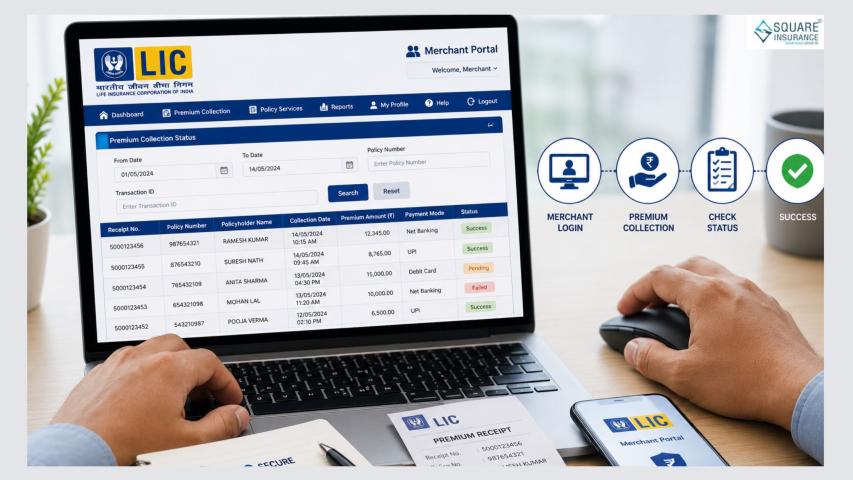
One of the most useful features of the portal is the transaction history section. This area displays details of payments that have been processed through the system. By reviewing this information, merchants can confirm whether a payment has been successfully recorded.

Checking transaction details through the portal helps avoid confusion and ensures that both merchants and policyholders have accurate information about premium payments.

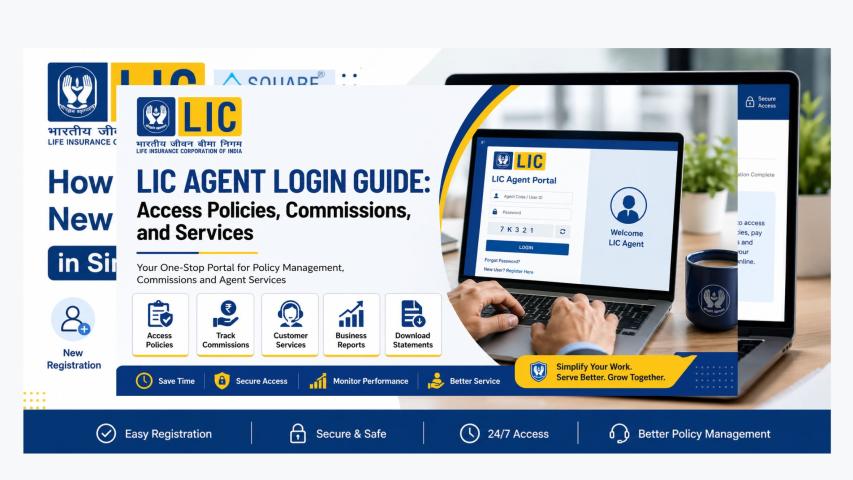
Logging in to the Merchant Portal

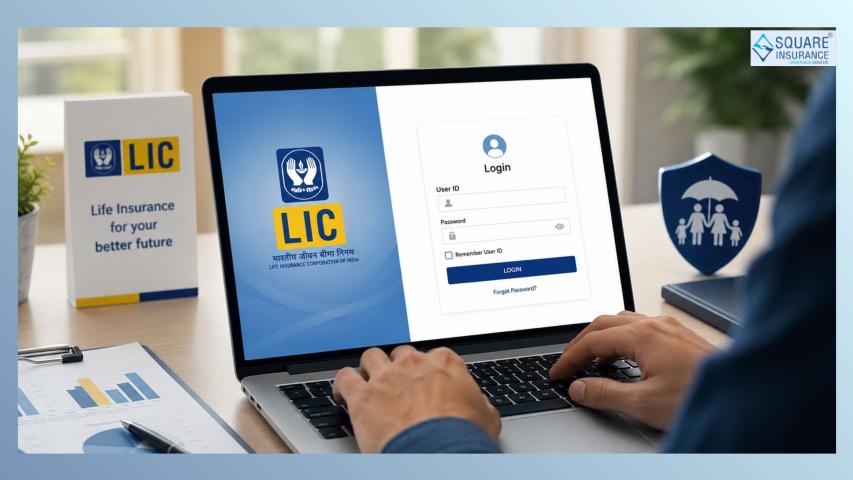
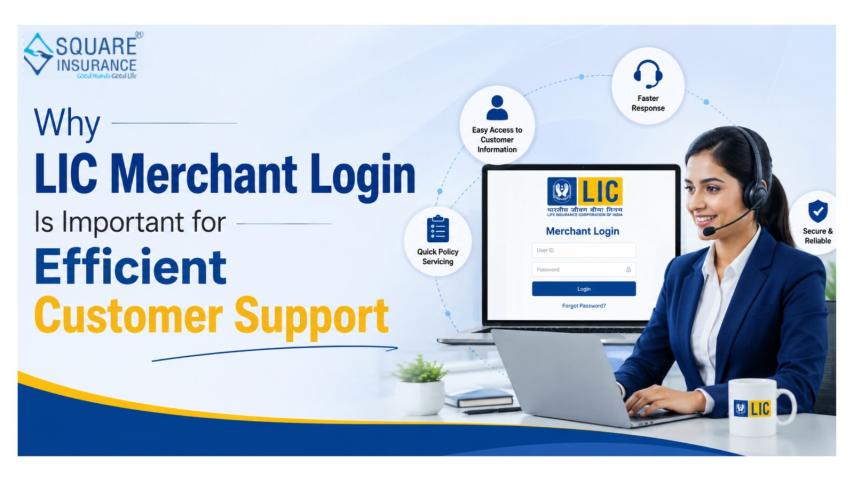
The first step to checking transaction details is accessing the merchant portal through the LIC Merchant Portal Login. Authorized users receive login credentials that allow them to securely access the system.

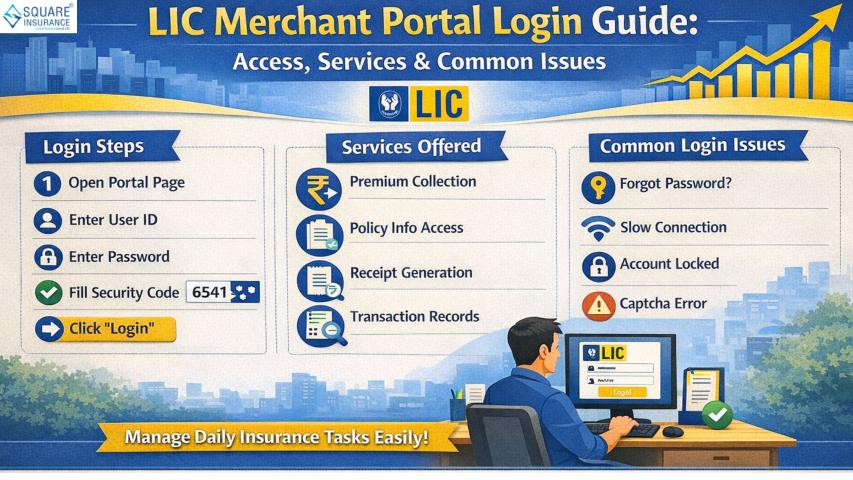
To log in, users usually need to follow these steps:

  • Open the merchant portal login page.
  • Enter the assigned user ID.
  • Type the correct password.
  • Complete any security verification if required.
  • Access the dashboard after successful login.

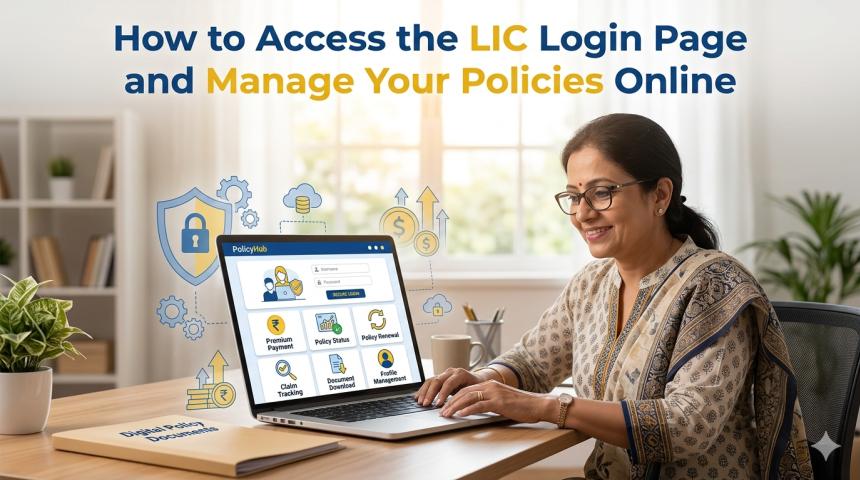
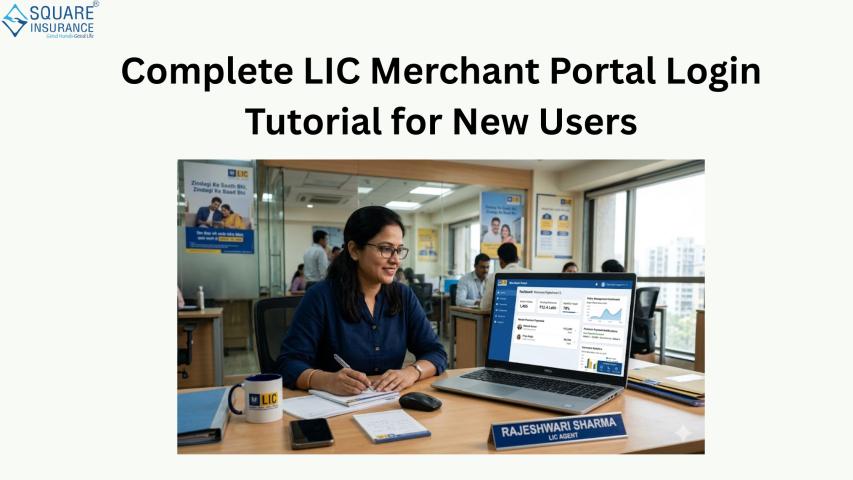
Once the login process is complete, the merchant dashboard appears on the screen. This dashboard contains different options related to policy services, payment processing, and transaction records.

Navigating the Dashboard

After logging into the portal, merchants can navigate through the dashboard to find the transaction section. The layout is generally designed to be simple so users can easily locate important options.

The dashboard usually includes menus related to:

  • Premium payment services
  • Policy search
  • Transaction history
  • Payment records

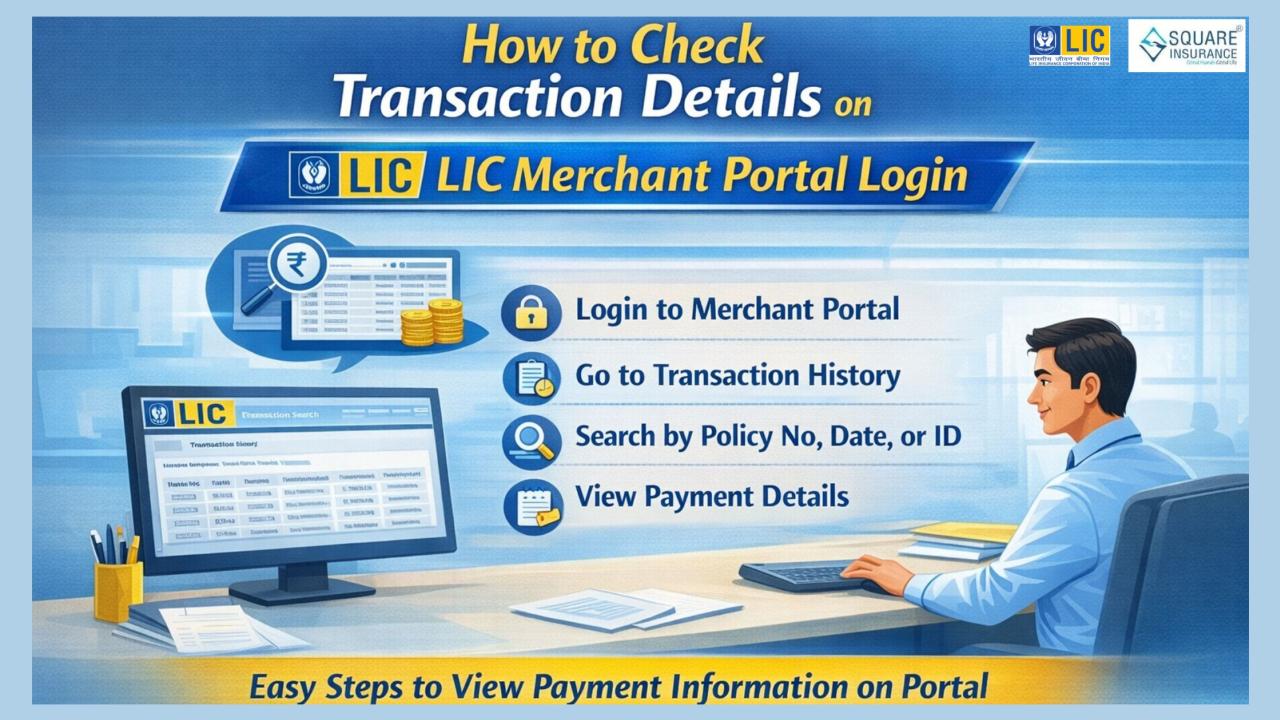
To check transaction details, merchants need to select the section that displays payment history or completed transactions.

Accessing the Transaction History Section

The transaction history section is where all recorded payments can be viewed. This section provides a list of transactions that were processed through the portal.

When merchants open the transaction history page, they may see options to filter or search transactions. This helps users quickly find specific payment records without scrolling through a long list.

Common search options may include:

  • Policy number
  • Date of payment
  • Transaction reference number
  • Customer information

Using these filters makes it easier to locate a particular transaction.

Viewing Transaction Details

Once a specific transaction is selected, the portal displays detailed information related to that payment. This information helps merchants confirm that the payment has been successfully processed.

Transaction details typically include:

  • Policy number
  • Customer name
  • Premium amount paid
  • Date and time of payment
  • Transaction reference number
  • Payment status

Reviewing these details ensures that the payment is recorded correctly in the system.

Confirming Payment Status

Another important part of checking transaction details is confirming the payment status. The portal usually shows whether the payment was completed successfully.

A successful transaction means the premium payment has been accepted and recorded in the system. If a transaction appears incomplete or pending, merchants may need to review the details carefully.

Regularly checking payment status helps ensure that customers receive accurate information about their premium payments.

Downloading or Saving Transaction Records

In many cases, merchants may need to keep records of payment transactions for reference. The merchant portal often allows users to download or save transaction details.

Saving transaction records can be helpful for:

  • Maintaining payment history
  • Confirming past transactions
  • Reviewing payment activity
  • Providing details to customers if needed

Keeping organized records helps merchants handle payment-related questions more easily.

Importance of Checking Transactions Regularly

Checking transaction details regularly is a good practice for merchants who handle multiple premium payments. It helps ensure that all transactions are recorded properly and reduces the chances of errors.

Regular monitoring also helps merchants stay updated with recent payment activity. If a customer asks about their premium payment, the merchant can quickly verify the transaction using the portal.

This simple step improves accuracy and builds trust in the payment process.

Maintaining Secure Access

Because the merchant portal contains important financial information, it is important to use the system responsibly. Merchants should always protect their login credentials and avoid sharing account information with others.

Simple practices such as using a secure password and logging out after completing tasks help keep the account safe.

Maintaining secure access ensures that transaction information remains protected and accessible only to authorized users.

Conclusion

Checking transaction details through the LIC Merchant Portal Login is an important part of managing premium payments efficiently. The portal allows merchants to view payment history, confirm transaction status, and maintain accurate records of customer payments.

By regularly reviewing transaction information, merchants can ensure that all payments are properly recorded and easily accessible when needed. The system simplifies payment tracking and helps create a reliable process for managing insurance premium transactions.